
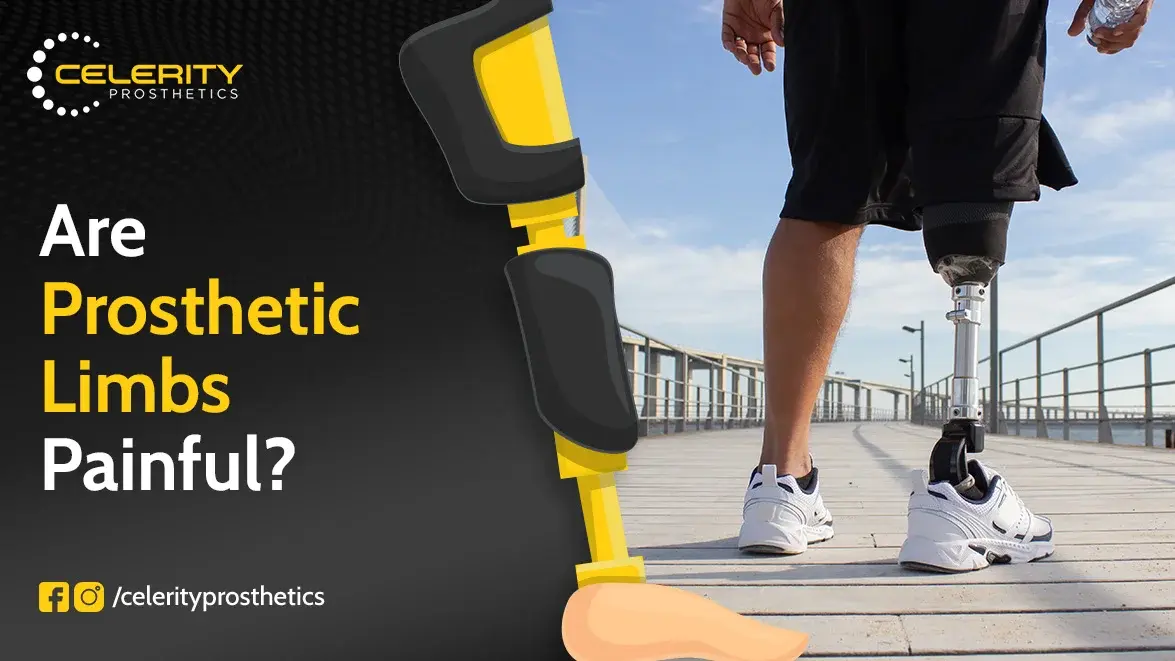
Many people think prosthetic limbs always cause pain. This is not entirely accurate. The device is made to support walking and daily tasks. Most users feel comfortable after the first adjustment period. Some soreness can happen in the beginning as the body needs time to accept a new device. Pain usually comes from pressure on the skin or a loose fit. These problems can be corrected, though. Modern prosthetics now use soft liners and light materials, and are designed to protect the residual limb. With proper fitting, many users live without regular pain. The experience depends on the quality of care and follow-up.
Is a Prosthetic Limb Painful for Everyone?
Pain is not the same for all users. One person may feel no discomfort after a week. Another may need more time and adjustments. The condition of the skin matters a lot as sensitive areas can react to friction. Activity level also plays a role. Long walks may cause tiredness in the early days. Shorter periods of use often feel easier in the beginning. Technology today reduces many old problems. Good sockets and better padding help most people. Pain is often a sign that the fit needs work. It is rarely permanent.
For example, a user may feel tightness near the ankle during the first trial. After the technician adjusts the angle, the same user can walk freely. This shows how personal the process can be.
Tips for Finding the Right Prosthetic Legs that Don’t Hurt
Below are tips for finding the right prosthetics that don’t hurt:
Professional Check
A detailed check by a trained prosthetist is essential. The specialist studies the shape of the limb while asking about daily habits and work routine. This information guides the design. A careful check prevents future discomfort. Many problems are avoided at this stage.
Right Socket
The socket is the main part that touches the body. If it is too loose, the limb moves and rubs the skin. If it is too tight, pressure builds up. A good socket spreads weight evenly. Most users need more than one fitting session. Small changes make a big difference.
Comfort & Weight
Lightweight lower leg prosthetics reduce strain on the hip and back. Heavy devices can make walking harder. Comfort depends on balance and softness. A well-balanced limb feels natural. Users can move without thinking about each step.
Skin-Friendly Materials
Silicone liners protect the skin surface while the breathable fabric reduces sweat buildup. Smooth plastic prevents rubbing marks, and gel pads soften hard contact areas. Anti-allergy layers help sensitive skin, and flexible edges stop small cuts.
Test Liners
Trying different liners helps find the best match. Some users prefer thick gel types. Others like thin fabric liners. The liner touches the skin all day. Even a small change can remove irritation. Testing saves time later.
Proper Alignment
Alignment controls how the body stands and walks. A slightly wrong angle can hurt the knee. Technicians adjust the foot and joint position. Walking tests show where changes are needed. Good alignment saves energy.
Trial Fittings
Before final delivery, users get a trial device. This period shows real-life comfort. You can walk home and notice sore spots. The prosthetist then reshapes the socket. Trial fittings lower the risk of pain.
Daily Use
Using the limb every day requires some simple maintenance. For everyday use, wear clean liners each morning. Check the skin for redness and any bruising due to frequent use. Increase walking time slowly when you start using the device daily. Keep socks dry and fresh, and reach out to the clinic if any burning feeling occurs due to everyday use.
Adjustable Parts
Many prosthetics include adjustable joints. These parts allow small changes at home. A minor turn can reduce pressure. This feature is useful when the limb shape changes. Adjustments help maintain comfort.
Avoid Pressure Points
Pressure points form near bones or scars. They cause most pain complaints. Padding usually fixes them. Ignoring these spots can create blisters, but early care protects the skin.
Follow-Up Adjustments
The body undergoes transformations throughout its existence. Changes in body weight can affect how the prosthetic fits over time. Regular follow-ups help keep everything working smoothly and painlessly. The provider will schedule patient appointments throughout the year.
Certified Prosthetist
A certified prosthetist is the essential component of this process. The practitioners comply with both medical standards and established treatment protocols. The practitioners use their experience to assess for changes, listen to concerns, and provide complete information. The process becomes simpler through the establishment of trust.
Conclusion
Prosthetic limbs are built to help people move with comfort and confidence. Pain is not a fixed part of using them. Most discomfort in prosthetics appears only when the fit or alignment needs change. Modern designs use soft and safe materials to protect the skin. Regular follow-up and honest feedback keep the device comfortable. Many users return to work, sports, and family life without constant pain. The key factors are proper fit, patient care, and professional support. With these steps, a prosthetic limb can feel natural and reliable. The goal is always comfort and independence.
If you want a pain-free limb prosthetic in Oklahoma City, then reach out to the professional team of Celerity Prosthetics.
FAQs
Can you feel pain in prosthetic limbs?
You may feel discomfort around the residual limb if the fit is wrong, but the prosthetic itself does not create pain when adjusted correctly.
Can you live a normal pain-free life with a prosthetic leg?
Yes, many users live active and pain-free lives with proper fitting, regular care, and professional follow-up.
How many hours a day can you wear a prosthetic leg?
A new user may struggle to wear it for long periods of time. But once they get used to it, they can easily use it for 12-16 hours everyday. This means, they may only take it off if going to sleep or rest.