
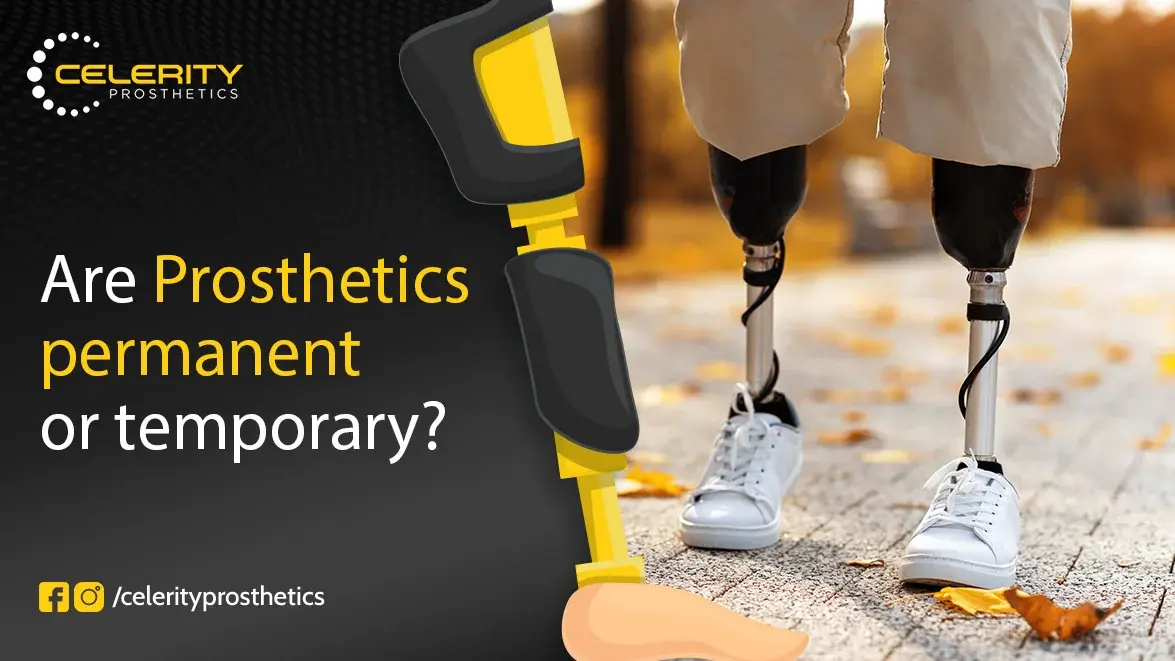
Getting a new limb is a long journey. It starts right after a surgery ends. Many people think they get one device and keep it forever. But that is not how the process works. The body changes a lot in the first year. Your skin needs to heal first. The bone needs to stay strong. Doctors use different tools at different times to help you walk again.
Prosthetics can be temporary or permanent. Knowing the difference can make your recovery easier and more predictable. Temporary prosthetics are often the first step. They help you move safely and get comfortable with your new situation. Whereas, permanent prosthetics are built for long-term use and independence.
Understanding Whether Prostheses are Temporary or Permanent
A prosthesis is a complex tool. It replaces a missing part of your body. Most people use a mix of temporary and permanent devices.
The first device is often called a preparatory limb. It serves a specific purpose for a short time.
The second device is the definitive limb. This one is built to last for years.
You might wonder why you cannot just get the final one immediately? The answer lies in your own body. Your stump will shrink as the swelling goes down. If you used a permanent socket early, it would soon feel loose. A loose fit causes pain. It can even damage your skin. So the process is a slow transition from one stage to the next.
When to Get a Temporary Prosthesis
You usually get a temporary prosthesis a few weeks after surgery. The doctor waits for the stitches to come out first. Your limb is still very swollen at this stage. This device is simple. It does not look like a real leg or arm yet. It is mostly a socket and a pipe. You use it to learn how to balance again. You also use it to shrink the residual limb. The socket puts gentle pressure on the tissues. This helps the fluid move out.
Think of this as a training tool. You wear it for a few hours every day. Then you wear it more as you get stronger. Have you ever tried to learn a new skill with heavy equipment? It is hard. That is why the temporary limb is often light. It lets you focus on your gait. You will visit the prosthetist often during this phase. They will add pads to the socket. They might even make a new temporary socket if you shrink too much. This phase usually lasts about six months to a year.
Here are some reasons why the temporary phase is vital:
- It helps the surgical wound finish healing.
- It shapes the limb into a firm cone.
- It allows you to practice walking in a safe way.
- It builds up the muscles in your hip or shoulder.
- It lets the team see how you use the device.
- It identifies any pressure spots that cause sores.
An example of this is a person with a below-knee amputation. They use a basic foot and a plastic socket. They walk between parallel bars at therapy. They do not need a fancy carbon fiber foot yet. They just need to stand up straight.
When to Get a Permanent Prosthesis
You get a permanent prosthesis when your limb size stays the same. This usually happens around the one-year mark. Your doctor calls this a definitive prosthesis. It is much more advanced. It uses strong materials like titanium. It might have a realistic skin cover. The socket is made to fit your stable shape perfectly. This device is designed for your specific lifestyle. If you like to hike, it will have a rugged foot. If you work in an office, it will be light.
This limb is “permanent” in its design, but not in its lifespan. You will still need to replace parts of it. But the overall structure stays the same for a long time. You can finally choose the colors or patterns you like. Some people put cool designs on their carbon fiber. You feel more confident with this device. It feels like a part of you. You do not have to wear as many socks to make it fit.
A permanent limb often includes better technology.
- It may have a microprocessor in the knee joint.
- It uses high-energy return feet made of carbon.
- The suspension system is more secure for daily use.
- It can handle more weight and higher activity levels.
- The materials are resistant to sweat and water.
- It looks more like a natural limb under clothing.
- The alignment is fine-tuned for your exact walking style.
Conclusion
The path to walking again is not a straight line. You start with a temporary limb to help your body adapt. This stage is all about healing and learning. Then you move to a permanent limb that fits your life. This second device is stronger and more advanced. But remember that even a permanent limb needs care. You will replace it every few years as you age or change. Work closely with your medical team throughout the year. They will guide you through every change and adjustment, no matter if it’s a temporary prosthetic or a permanent one. Modern technology makes these devices better every single day. With the right fit, you can return to the activities you love. Stay patient and keep moving forward on your new journey. Celerity Prosthetics is here to help if you’re wondering where to start.
Frequently Asked Questions
How long does a prosthetic last?
A prosthesis does not last forever. Most devices work well for three to five years. The parts wear out just like tires on a car. The socket is the part that fails most often. Your body might change weight. Then the socket will not fit. Moving parts like knees and feet can break down too. You must see your prosthetist for regular checkups. They can fix small problems before they get big. Sometimes you only need a new liner. Other times you need a whole new device.
Can prosthetics be permanently attached?
Most prosthetics use a socket that slides over the limb. But there is a new way called osseointegration. Surgeons put a metal bolt into your bone. The prosthesis snaps directly onto that bolt. This makes the limb feel very stable. It removes the need for a traditional socket. This is a big surgery. Not everyone can get it. It requires a long time to heal. Most people still use the socket style because it is non-invasive. But for those with short stumps, the bolt is a great option.
Are all prosthetics removable?
Yes, almost all prosthetics are removable. You take them off at night to sleep. You also take them off to shower. Your skin needs to breathe. If you wear it all the time, you might get a rash. Even the ones attached to bolts can be unclipped. It is important to check your skin every day. You look for red spots or cuts. If you see a mark, you leave the device off for a while.
Is it possible to live a normal life with these tools?
Yes, it is. But you must be patient with the gear. For example, a runner might have a special blade for the track. They put it on only when they exercise. Then they switch back to their walking leg for dinner. This shows how flexible these devices can be.