
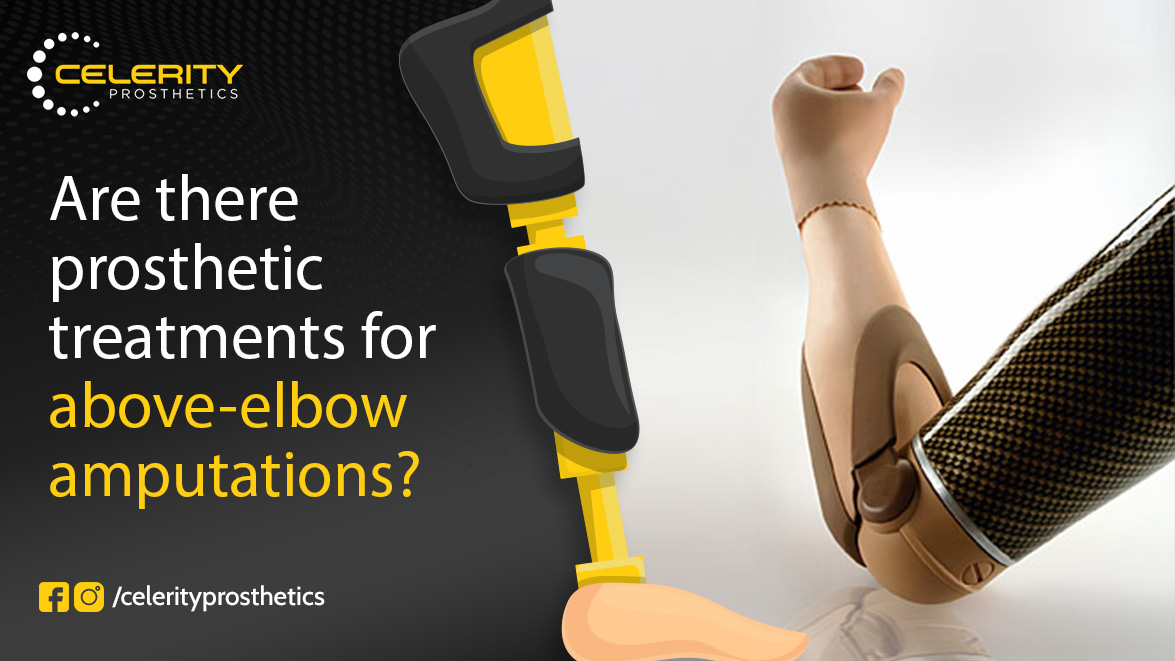
Losing an arm above the elbow is a massive life change, but modern technology makes it possible to regain a huge amount of independence. It is not just about finding a “fake arm” but about finding a tool that fits your specific lifestyle and helps you feel whole again. By looking at how you live and what you love to do, you can find a solution that restores both your confidence and your ability to handle daily tasks.
Key Takeaways
- You have choices ranging from manual cable arms to high-tech robotic ones.
- Every device is custom-made to fit your unique shape and your daily goals.
- Learning to use these tools takes time but professional training makes it much easier.
- Modern materials like carbon fiber help keep the weight down so you don’t get tired.
- Staying local for your care ensures you can get quick adjustments when you need them.
Are There Effective Prosthetics for Above-Elbow Amputations?
The short answer is yes, there are many great options out there today. Since an above-elbow amputation (which doctors call “transhumoral”) means you have lost both your elbow and your hand, the device has to do twice the work. A good prosthetic clinic will look at your strength and what you want to do for fun or work before suggesting a plan. This specialized treatment is all about matching the right tech to the right person so that the arm becomes a help rather than a hindrance.
Types of Prosthetic Options for Above-Elbow Amputations
Finding the right fit means looking at how you want the arm to move and how much work you want to do to control it. Here are the main types you will find today.
1. Body-Powered Arms
These are the classic systems that use cables and hooks to get the job done. They work by using your own body’s movement, like shrugging your shoulders, to pull a cable that opens the hand or bends the elbow. They are tough as nails and don’t need to be charged at night. Many people love them because they give you a real “feel” for how hard you are grabbing an object.
2. Myoelectric or Robotic Arms
If you want a device that moves using your muscle signals, this is the modern choice. Tiny sensors sit against your skin and “listen” for the electrical pulses when you flex your upper arm. Those pulses tell the robotic elbow or hand to move. It is a very advanced prosthetic treatment that looks amazing and takes less physical muscle power to operate than a cable system.
3. Passive and Cosmetic Arms
Sometimes you just want an arm that looks real and balances your body out. Passive arms don’t have moving parts that you control but they are incredibly lifelike. They are also very lightweight. This makes them great for social events or just a long day out where you don’t need to do any heavy lifting.
4. Hybrid Systems
You don’t always have to pick just one style. A hybrid arm might use a simple, strong cable to move the elbow but a high-tech robotic hand for a better grip. This often gives people the best of both worlds. You get the reliability of a manual system and the precision of a modern robotic hand at the same time.
5. Activity-Specific Tools
If you love to fish, lift weights, or play sports, you might need a specialty arm. These are built to be super rugged and usually have a specific attachment at the end designed for that one hobby. Many people who seek out a prosthetic Oklahoma specialist keep a daily arm for work and a separate activity arm for their weekend fun.
Conclusion
Choosing the right device is a journey that requires professional support and the right technology to help you succeed. If you are ready to find a solution that helps you reclaim your independence, the expert team at Celerity Prosthetics is here to help you move forward.
FAQ Section
Will my insurance cover an above-elbow prosthetic?
Most insurance plans do cover prosthetic devices but the fine print can be confusing. A professional clinic will usually have experts who can talk to your insurance company for you. They help you see what is covered and find the best device for your specific budget.
Is it hard to learn how to use a robotic arm?
It takes some practice but it is not hard in the way you might think. It is more like learning to ride a bike or play a video game because your brain has to learn which muscle flexes lead to which movements. With a little therapy and time, it starts to feel like second nature.
Can I drive a car with an above-elbow prosthesis?
Many people with this type of limb loss drive every single day. Depending on your car and your prosthesis, you might need some simple knobs or tools on your steering wheel to help out. Your prosthetic team can help guide you on how to get back behind the wheel safely.