
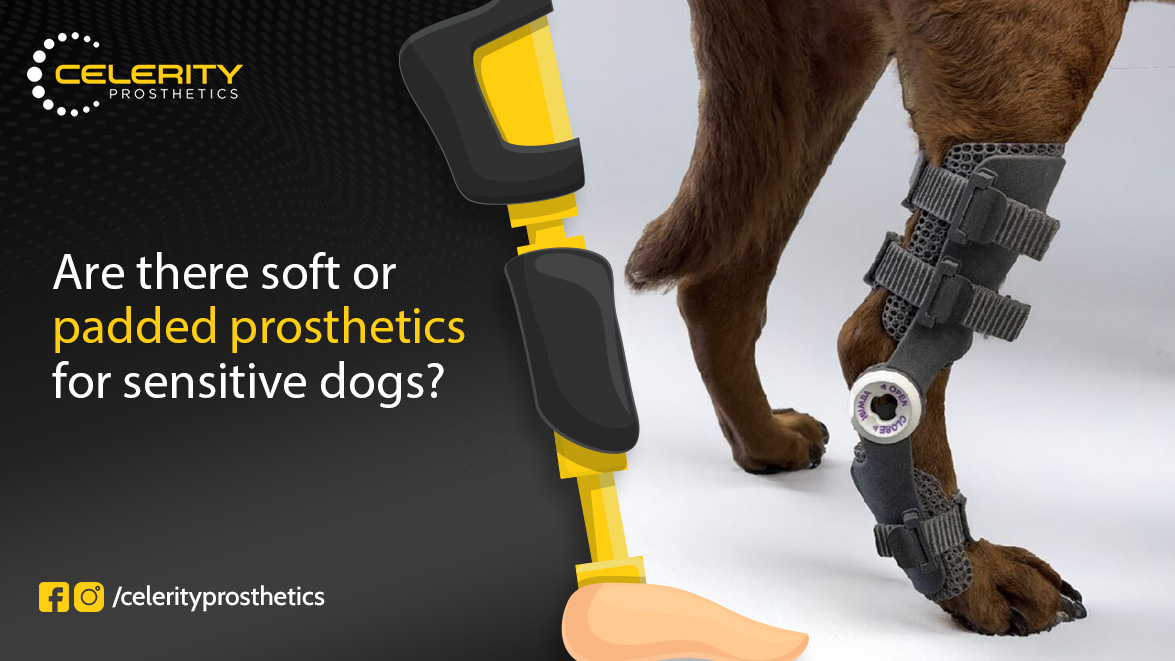
Watching your best friend struggle to get around after losing a limb is a real heartbreaker. You want them back on their paws but if your pup has thin skin or gets cranky about itchy fabrics, a hard plastic leg sounds like a nightmare. The good news is that pet tech has come a long way lately. You don’t have to settle for a clunky, stiff device that rubs them raw. There are plenty of ways to make a new leg feel more like a soft sneaker and less like a heavy boot so your dog can stay happy and active.
Key Takeaways
- Soft liners and medical foam are now standard for dogs with touchy skin.
- Custom-molded shapes stop the “wobble” that causes painful sores.
- Gel-based padding helps soak up the shock when a dog is running fast.
- Keeping the liners clean and dry is the best way to prevent rashes.
- A slow, patient start helps a nervous dog get used to the new feeling.
Are There Padded Prosthetics for Dogs?
The short answer is a big yes. Just like human runners use special socks and liners, dog prosthetics are designed with skin safety as a top priority. Most modern legs aren’t just bare plastic. They usually come with soft, medical-grade foam or gel liners that act as a pillow between the hard shell and your dog’s body. This extra cushion is a lifesaver because it absorbs the “thud” every time their foot hits the ground. It makes the whole experience much more comfortable for a sensitive pup who might otherwise be scared to put weight on the device.
Who Really Needs a Padded Prosthetic?
Every dog has their own personality and body type but some definitely need a softer touch than others. Here is a look at which furry friends benefit most from extra padding.
1. Seniors with Paper-Thin Skin
As dogs get older, their skin gets thinner and loses its bounce, much like ours does. A prosthetic leg for dog use can easily cause a bruise or a scrape on an older dog if there isn’t a soft barrier. Thick padding protects their fragile bodies while still giving them the strength to keep up on their daily walks around the neighborhood.
2. The Naturally Bony Breeds
Some dogs, like Greyhounds or Whippets, are just “all legs” and don’t have much body fat. If a hard frame presses right against a bone, it creates a “hotspot” or a pressure sore in no time. Deep padding helps spread that weight out so the pressure isn’t all stabbing into one tiny, sensitive spot on their leg.
3. Pups with Tummy and Skin Issues
If your dog is the type that gets a rash just from walking through tall grass, they need breathable liners. For these sensitive souls, look for materials that don’t trap heat. Good padding helps keep the air moving so sweat doesn’t build up and cause a nasty red patch under the device.
4. High-Energy “Zoomie” Lovers
If your dog only has one speed, fast, they are going to be hitting the pavement hard. A dog prosthetics leg for an active dog needs serious shock absorption. Soft gel inserts work like the shocks on a truck, taking the brunt of the impact so their shoulders and hips don’t have to feel the jar of every step.
5. The Skittish or Shy Types
Sometimes the sensitivity is more about how they feel mentally. A dog that jumps at loud noises might hate the “click-clack” sound of a plastic limb on the floor. Padded versions are much quieter and feel a lot more natural which helps a nervous dog realize the new leg isn’t a “scary monster” attached to them.
6. Dogs Living in Humid Spots
In places where it stays hot and sticky, moisture is the enemy of a good fit. Sweat can make the skin soft and prone to blisters. Moisture-wicking padding pulls that sweat away from the body, keeping everything dry and secure so the leg doesn’t slip and slide while they are playing outside.
Conclusion
Finding a leg that balances tough support with soft comfort is the best way to ensure your pup stays happy and mobile. Every dog deserves to enjoy their daily adventures without worrying about skin irritation or pain. If you want to explore the most comfortable options for your furry friend, the compassionate team at Celerity Prosthetics is ready to help you find the perfect fit.
FAQ Section
How do I keep the padding from smelling bad? Most liners can be pulled out and washed by hand with a tiny bit of mild, unscented soap. Just make sure they are totally dry before you put them back on. Damp padding is a recipe for itchy skin and funky smells.
Can I just add an old sock for extra cushion? It is tempting to “DIY” it but adding your own padding can actually mess up the fit. It might create a new rub spot you didn’t see coming. If the leg seems a bit loose or stiff, it is always better to call the pro who made it for a quick tweak.
How long does a liner usually last? Depending on how much your dog plays, you might need to swap out the soft parts every few months. Once the foam starts to look flat or the gel gets hard, it’s time for a fresh set to keep things comfy.