
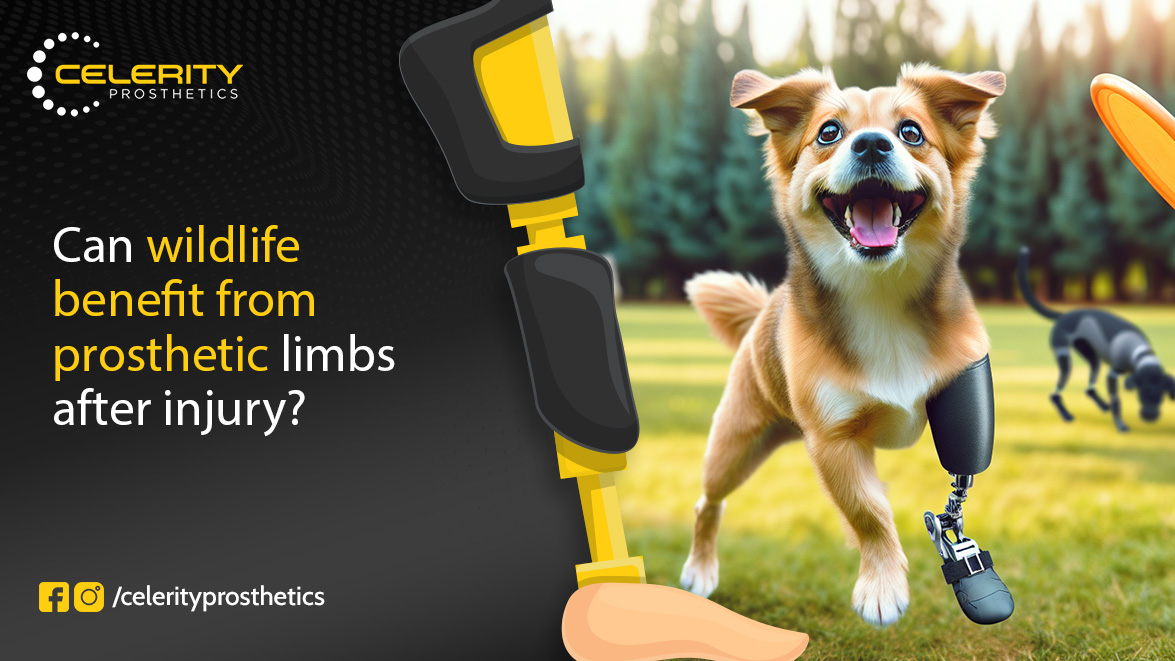
Injured wildlife faces tough challenges after losing limbs to traps or accidents. Prosthetics offer new hope for movement and survival in many cases. This often leads people to ask whether wildlife can benefit from prosthetic limbs after injury.
| Quick Answer
Yes, wildlife can benefit greatly from prosthetic limbs after serious injury. Custom prosthetics restore mobility, reduce pain and improve survival odds through specialized designs. Success depends on proper fitting, animal species, injury type and rehabilitation care. From birds to mammals, experts create solutions that match unique anatomy. These devices help animals regain natural movement patterns and confidence for release or captivity. |
Do Prosthetic Limbs Help Injured Wildlife Recover?
Prosthetic animal limbs help many injured wildlife species recover function when fitted by skilled specialists. Birds, turtles, and even sloth bears have walked or flown again with custom devices. Success rates improve with proper socket fit and rehabilitation training. Still, challenges exist because wild animals must adapt quickly to survive. When done right, prosthetics restore balance and prevent further injury to healthy limbs.
Types of Prosthetics Used for Wildlife
Wildlife prosthetics come in several forms to match different injuries and species. Each type serves specific recovery needs from short-term support to lifelong use. Experts choose designs based on anatomy and lifestyle.
Temporary Prosthetic Supports
Temporary supports stabilize injuries during early healing stages for wildlife. Lightweight splints protect fractures while permanent options are being designed and tested. These devices prevent muscle loss and maintain joint positions. Animals wear them for weeks until swelling reduces completely. Vets remove them once permanent prosthetics are properly fitted and tolerated.
Permanent Prosthetic Limbs
Permanent limbs replace missing sections with durable biocompatible materials for wildlife. Carbon fiber and titanium create lightweight strength for animal prosthetic legs, wings or tails. Larger animals like deer carry weight naturally with these designs. Socket liners distribute pressure evenly across residual limbs.
Custom 3D-Printed Prosthetics
3D printing creates exact matches for unique wildlife limb shapes and sizes. Scanners capture precise anatomical data for rapid prototyping. Lightweight plastic composites work well for birds and small mammals, especially. Production costs drop significantly compared to traditional methods. Turnaround times shrink from weeks to days for urgent cases.
Orthotic Braces and Support Devices
Orthotic braces strengthen weakened limbs without full replacement for injured wildlife. External frames support fractures, partial amputations and joint problems effectively. Adjustable straps allow growth monitoring in young animals. These devices encourage natural gait patterns during therapy sessions. Many transition to permanent prosthetics after brace therapy succeeds.
How Prosthetic Limbs Help Injured Wildlife
Prosthetics transform wildlife recovery beyond simple limb replacement alone. They address pain, mobility behavior and survival needs comprehensively. Each benefit builds toward healthier, more natural lives.
1. Restoring Basic Mobility
Prosthetics let injured wildlife walk, run or fly using natural movement patterns again. Balance improves immediately with proper weight distribution across the body. Animals regain confidence to explore environments without fear of falling. Secondary injuries decrease when overused healthy limbs get relief.
2. Improving Survival Chances in the Wild
Functional prosthetics help wildlife hunt, escape predators and find food more effectively. Stronger movement supports territory defense and mating behaviors too. Release candidates show higher success rates with well-fitted devices. Behavioral adaptation training prepares prosthetic animals to confidently face wild challenges. Survival odds rise dramatically compared to three-legged counterparts.
3. Reducing Pain and Physical Strain
Proper socket alignment eliminates pressure points on sensitive residual limb tissues. Muscle fatigue drops across the entire body with balanced weight support. Animals rest better and engage in natural activities without constant discomfort. Pain reduction encourages mental well-being and social interaction too. Healthy appetites return when chronic pain fades completely.
4. Supporting Rehabilitation and Recovery
Structured therapy programs build strength around prosthetic devices systematically for wildlife. Gradual wear schedules prevent skin breakdown during adaptation phases. Specialists monitor gait changes and make timely socket adjustments. Physical therapy complements prosthetic use for maximum functional recovery. Comprehensive care creates lasting confident movement patterns.
Conclusion
Prosthetics offer real hope of recovery for injured wildlife facing limb loss from traps or accidents. Temporary supports permanent limbs, 3D-printed designs and orthotic braces all restore mobility and reduce pain effectively. These devices improve survival odds through better balance, natural movement and rehabilitation support.
Celerity Prosthetics creates custom solutions for humans and pets with the same compassionate mobile care approach. Our experts fit devices that match unique needs whether for active families or beloved animal companions.
FAQs
Can animals survive in the wild with prosthetic limbs?
Many animals thrive with prosthetics when fitted properly by specialists. Survival depends on species adaptation speed and the release environment. Well-designed devices support hunting and predator evasion effectively.
What animals can use prosthetics?
Birds, turtles, horses, deer, and sloth bears commonly benefit from prosthetics. Smaller mammals and reptiles succeed with 3D-printed custom designs. Each species requires specialized fitting expertise.
Do wildlife prosthetics really work long-term?
Yes, many years with proper veterinary monitoring and adjustments. Materials withstand environmental stress when designed correctly. Regular checkups ensure comfort and function through growth or activity changes.