
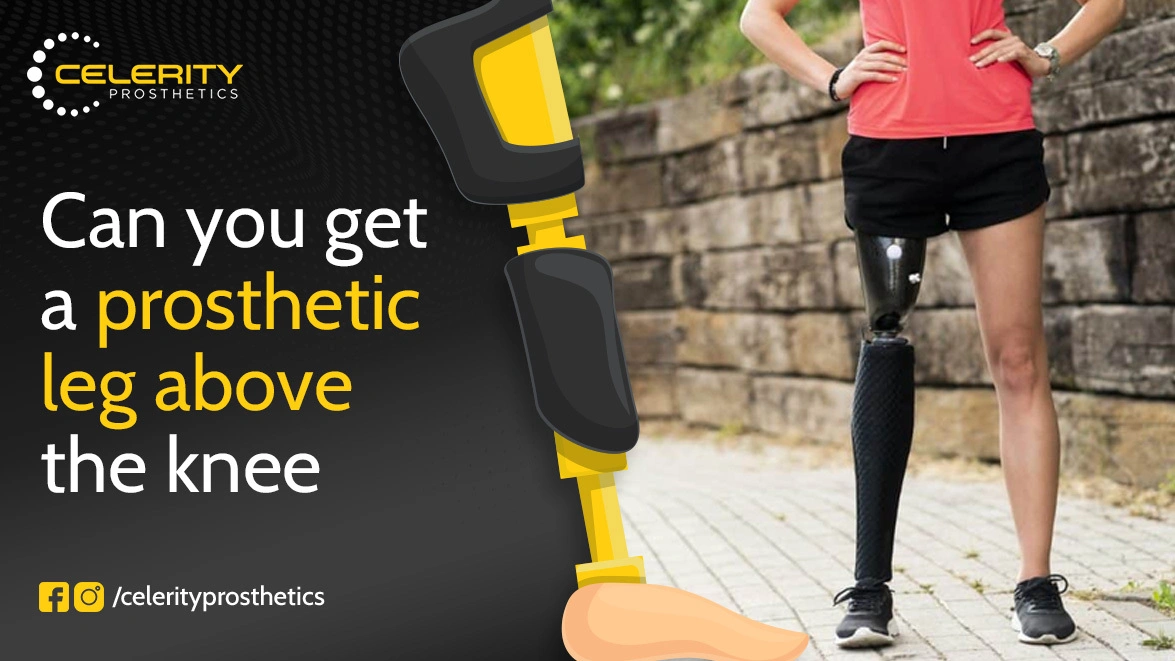
Above-knee prosthetic legs are advanced artificial limbs designed for people who have lost a leg above the knee joint. It is possible to get a prosthetic leg above the knee, but not every case is the same. Your eligibility depends on several factors, including overall health, residual limb condition, and lifestyle needs.
Modern designs range from mechanical systems to microprocessor-controlled knees, offering improved mobility and comfort. Understanding what determines whether you can be fitted for one helps you work with your prosthetist to make the right choice.
Can You Get an Above-Knee Prosthetic Leg?
Above-knee prosthetic legs are available for individuals with amputations above the knee joint. These devices replace both the knee and lower leg, restoring mobility and enabling a range of daily activities.
However, getting one depends on meeting certain health, anatomical, and functional criteria. A prosthetist will evaluate your medical history, residual limb condition, and personal goals before designing a prosthetic tailored to your needs.
Factors That Affect Whether You Can Get An Above-Knee Prosthetic Leg
While above-knee prosthetic legs are possible for many people, several key factors determine whether they’re the right fit for you.
1. Overall Health and Medical Condition
Your general health is one of the first things considered before fitting an above-knee prosthetic. Conditions like uncontrolled diabetes, severe heart disease, or poor circulation can make prosthetic use more challenging or unsafe. A stable medical condition ensures you can manage the physical demands of daily movement, balance, and device maintenance without worsening any existing health issues.
2. Residual Limb Shape and Healing
The residual limb must be fully healed and healthy before prosthetic fitting. Its shape, length, and skin quality directly affect comfort and stability. A well-shaped limb allows the socket to fit snugly without causing pressure points or skin breakdown. Surgeons and prosthetists often work together to prepare the limb for the best possible outcome.
3. Muscle Strength and Mobility
Walking with an above-knee prosthetic requires strong hip, core, and residual limb muscles to compensate for the missing knee joint. Weakness in these areas can make movement tiring or unstable. Physical therapy plays a critical role in building the necessary muscle strength, improving gait mechanics, and increasing endurance for safe, confident prosthetic use in daily life.
4. Balance and Coordination Skills
Because an above-knee prosthetic replaces the knee joint, it demands more balance and coordination than a below-knee version. You’ll need to adjust to weight distribution changes and learn how to walk smoothly over different surfaces. Good coordination skills help prevent falls, improve efficiency, and make daily activities like climbing stairs or navigating uneven terrain more manageable.
5. Activity Level and Lifestyle
Your lifestyle influences the type of prosthetic recommended. Highly active individuals may benefit from advanced designs like microprocessor-controlled knees, which adapt to different walking speeds and terrains. Those with a lower activity level may find mechanical knees more practical. Discussing your daily routines with your prosthetist helps ensure the prosthetic matches your mobility needs and comfort preferences.
6. Commitment to Rehabilitation
Receiving a prosthetic leg is only the beginning. Success depends on your willingness to commit to rehabilitation, which includes gait training, muscle strengthening, and learning how to use the device in various situations. Regular follow-up appointments help fine-tune the fit and function, ensuring you adapt well and get the best long-term results from your prosthetic.
7. Insurance or Financial Coverage
Above-knee prosthetic legs, especially advanced models, can be a significant investment. Insurance coverage, government assistance programs, or personal savings will impact which type you can afford. Understanding your financial options early on helps prevent delays in treatment and ensures you select a prosthetic that offers both quality and long-term value within your budget.
Conclusion
Getting a prosthetic leg above the knee is possible, but success depends on multiple factors working together. Your overall health needs to be stable enough for safe use, while the residual limb must heal well and have the right shape for a secure fit. Muscle strength and balance skills are key to controlling movement, and your lifestyle determines which type of prosthetic suits you best.
A strong commitment to rehabilitation helps you adapt faster, and financial or insurance coverage can affect what’s available to you. By understanding these elements, you can make informed choices with your prosthetist.
At Celerity Prosthetics, we provide expert guidance from evaluation to training for confident, independent mobility.