
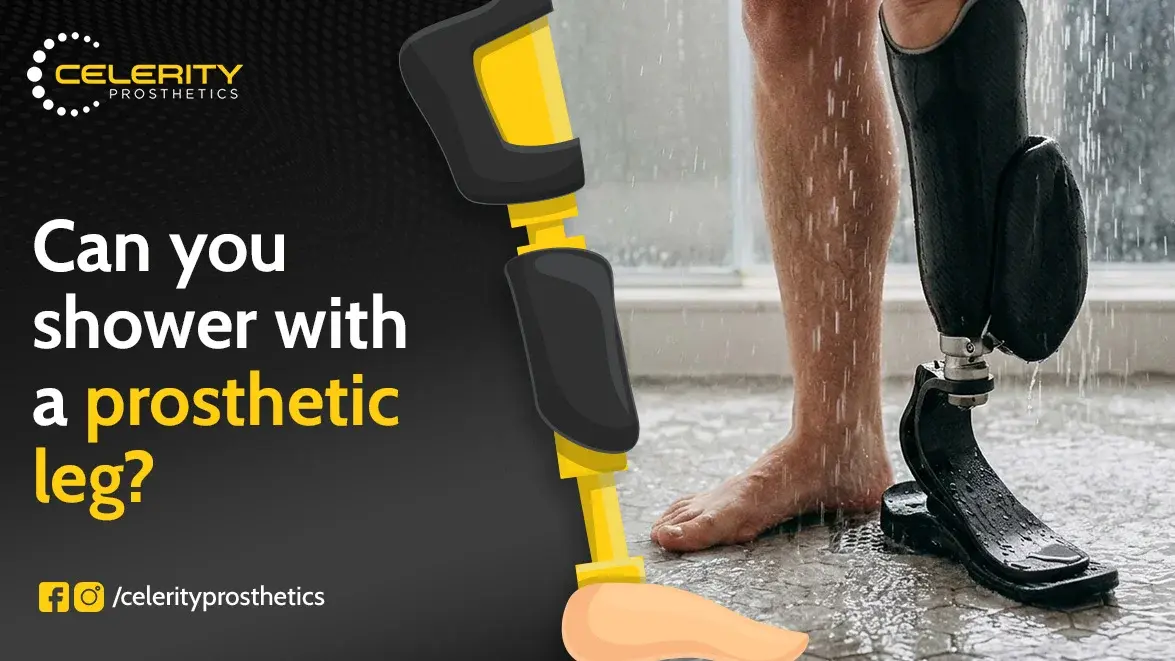
Most everyday prosthetic legs should stay outside the shower unless specifically approved for water exposure. Some systems tolerate splashes while others support full showering or limited immersion. That difference matters because water can affect electronics, mechanical parts, suspension and certain materials.
Your balance and bathroom setup matter just as much. A shower chair may offer better safety than standing without support. Dedicated water prostheses are another option. Before deciding whether you can shower with a prosthetic leg, confirm the complete system’s water rating with your prosthetist.
Key Takeaways
|
Should You Wear Your Everyday Prosthetic Leg in the Shower?
Your daily prosthetic leg should only enter the shower when its complete system supports that use. A component might handle rain or accidental splashes without tolerating steady shower water. Electronics, adapters, suspension parts or cosmetic materials may each have different limitations. One waterproof component doesn’t automatically make everything attached to it waterproof.
Before showering with your device, check its manufacturer instructions and speak with your prosthetist. Ask specifically whether regular showering is allowed. If the answer isn’t clear, keep the prosthesis dry. A shower chair or transfer bench can often provide a practical alternative without risking expensive components.
Waterproof vs. Water-Resistant Prosthetic Legs
Water-related labels can sound similar while describing very different capabilities. That confusion creates problems when someone assumes “water-resistant” means suitable for showers. Instead, think of water protection as a range. Some systems manage light splashes while others tolerate stronger exposure or temporary immersion.
Water-Resistant or Weatherproof Prosthetics
Water-resistant systems usually handle limited moisture rather than full soaking. Depending on the device, that might include rain, sweat or accidental splashes. However, continuous shower water can exceed those limits. Soap and warm water may also affect materials differently from brief exposure outdoors.
Always check the exact restrictions instead of relying on one label. A weatherproof knee may still need protection during bathing. If you’re unsure, treat the system as non-waterproof until your prosthetist confirms otherwise.
Waterproof Prosthetic Systems
Waterproof systems are designed for more direct exposure under stated conditions. Even then, the word “waterproof” doesn’t mean every water environment is acceptable. Manufacturers may set limits for depth, duration, temperature, chlorine, salt water or required cleaning afterward.
The full assembly must also support that exposure. A waterproof knee combined with non-waterproof adapters still creates a limitation. Before using the prosthesis around water, confirm which parts can safely get wet and what maintenance follows.
Dedicated Shower or Water Prostheses
A dedicated water prosthesis is built specifically for wet environments. Depending on its design, it may support showering, poolside movement or other water activities. Some models also use tread patterns intended to improve traction on wet surfaces.
Still, no prosthetic foot makes slippery tile completely safe. Grab bars and appropriate bathroom equipment remain important. A water prosthesis works best as part of a broader safety setup rather than replacing careful movement.
Why Can Water Damage Some Prosthetic Legs?
Modern prostheses combine multiple materials and mechanical systems. Water can affect those parts differently. Damage may happen quickly with electronics or gradually through corrosion, trapped moisture or material breakdown. That is why safe water exposure depends on the entire system rather than appearance alone.
Electronic and Mechanical Components
Microprocessor knees and other electronic components may contain sensors, batteries, charging connections and sealed housings. Some tolerate water extremely well while others only resist occasional splashes. Exceeding the stated limits can affect reliability or require professional inspection.
Mechanical components also need attention. Bearings, moving joints, connectors and fasteners may react differently to repeated moisture. Saltwater deserves extra caution because it can be particularly harsh on certain materials. Follow cleaning instructions after approved exposure.
Socket and Suspension Materials
The socket itself may tolerate water better than other components. However, suspension valves, sleeves, adhesives, cosmetic coverings or internal materials can have separate restrictions. Moisture trapped in these areas may affect comfort or shorten component life.
For that reason, don’t judge water safety by the socket alone. Ask whether the complete suspension system supports showering. Knowing those limits beforehand is much easier than troubleshooting a damaged component afterward.
Liners and Moisture
Many prosthetic liners can be washed during normal care. Still, wearing a wet liner inside the socket creates different concerns. Moisture against your skin can increase slipping, friction and irritation during movement. Suspension may also feel less predictable.
After cleaning, let the liner dry according to its instructions. Your residual limb should also be thoroughly dry before putting the prosthesis back on. That simple habit helps maintain comfort and more consistent suspension.
How Can You Shower Safely Without Your Prosthesis?
Showering without your everyday prosthesis often works well with the right setup. The main goal is reducing unnecessary standing and risky transfers on wet surfaces. Your physical or occupational therapist can help design a bathroom routine around your balance, strength and home layout.
Use a Shower Chair or Transfer Bench
A shower chair lets you remain seated while washing. This can reduce balance demands and make residual-limb care easier. A tub transfer bench may help when stepping over a bathtub edge feels unsafe or impractical.
Choose equipment that suits your bathroom and transfer ability. Make sure it stands securely before use. If you’re unsure about height or placement, ask your rehabilitation team for guidance.
Install Secure Grab Bars
Grab bars can provide stable hand support during transfers and repositioning. They work best when properly installed into suitable structural support. Towel rails and decorative fixtures shouldn’t replace real grab bars because they may not hold body weight safely.
Placement matters too. The most useful position depends on your shower entrance and transfer method. An occupational therapist can help identify locations that support your normal movement pattern.
Improve Traction and Keep Supplies Within Reach
Wet floors increase fall risk even for experienced prosthetic users. Nonslip surfaces can improve traction around the shower and nearby floor. Keep soap, shampoo, towels and other supplies within comfortable reach before you start bathing.
Good preparation reduces twisting and unnecessary reaching. It also keeps you from making rushed transfers with wet hands. Small bathroom changes can make the entire routine feel more predictable.
Consider a Handheld Showerhead
A handheld showerhead can make seated bathing much easier. You can direct water where needed without repeatedly shifting position. It also helps rinse the residual limb gently and thoroughly.
Keep water controls accessible whenever possible. Extremely hot water may irritate sensitive skin or create discomfort around healing tissue. A comfortable temperature usually makes skin care easier and more consistent.
How Should You Clean Your Residual Limb in the Shower?
Bathing gives you direct access to skin that spends hours inside the socket. Wash the residual limb gently using the routine recommended by your care team. Pay attention to scars, skin folds, pressure areas and places where sweat commonly collects.
Rinse soap away thoroughly because residue can irritate enclosed skin later. After washing, dry the entire limb carefully. Don’t put a liner onto damp skin. Use the opportunity to check for persistent redness, blisters, drainage, cracks, unusual swelling or tender areas.
Can You Shower While Your Residual Limb Is Still Healing?
Early after amputation, showering depends on your surgeon’s instructions. An incision may need protection until healing reaches the appropriate stage. Stitches, staples, drainage, open areas or infection concerns can all change when direct water exposure becomes safe.
Don’t assume a waterproof dressing automatically makes normal showering appropriate. Dressings vary and healing plans differ between patients. Ask exactly when the surgical area can get wet. Clear instructions protect the wound while helping you avoid unnecessary delays.
Should You Use a Waterproof Cover Over Your Prosthetic Leg?
Waterproof covers can protect some prosthetic systems during limited exposure. However, a cover doesn’t automatically turn a non-waterproof prosthesis into a waterproof one. Seals can shift or leak and water may enter through openings you don’t notice immediately.
Before using a cover, confirm compatibility with your prosthetist and the product instructions. Ask what type of exposure the cover supports. A quick splash and a full shower create very different demands. If leakage occurs, treat the prosthesis according to its normal water-exposure instructions.
What Should You Do If Your Prosthetic Leg Gets Wet?
Accidental splashes happen so a wet prosthesis doesn’t always mean serious damage. First, move somewhere safe before focusing on the device. Remove it when appropriate and dry accessible surfaces gently. Follow the manufacturer’s instructions for any liner, socket, electronics or mechanical parts involved.
Avoid using intense heat unless the manufacturer specifically allows it. Hair dryers or heaters can damage certain plastics, adhesives, liners or electronic components. If a non-waterproof system becomes heavily soaked, contact your prosthetist. Professional inspection may be wise before normal use resumes.
Can You Swim With the Same Prosthetic Leg You Use for Showering?
Not necessarily. A prosthesis approved for showering may not tolerate full swimming conditions. Immersion places components under different water pressure while pools add chlorine. Oceans introduce salt and sand. Those environments can exceed the limits of a shower-safe system.
Check whether your device supports immersion and how deep it can go. Also confirm allowed exposure time and water type. After approved swimming, some systems require rinsing with fresh water and careful drying.
Is a Shower Prosthesis Worth Considering?
A dedicated shower prosthesis can make sense when water access strongly affects independence. Someone with bilateral limb loss may value additional support during bathroom transfers. Frequent swimmers or people using wet facilities may also find a water-safe system useful.
However, not everyone needs another prosthesis. A well-designed seated shower setup may work perfectly for daily bathing. Cost, insurance coverage, bathroom layout, mobility goals and maintenance all matter. Your prosthetist can help compare those options realistically.
Conclusion
Showering safely depends on your prosthetic system, water rating, balance and bathroom setup. Most daily prostheses shouldn’t enter the shower unless the complete device supports that exposure. A waterproof component alone doesn’t make every connected part water-safe. When showering without your leg, seated bathing and secure grab bars can reduce unnecessary fall risks. Use that time to wash, inspect and thoroughly dry your residual limb.
If water access remains difficult, a dedicated shower prosthesis may be worth discussing. Celerity Prosthetics can review your current setup and help you find practical options that support comfort, mobility and safer daily bathing.