
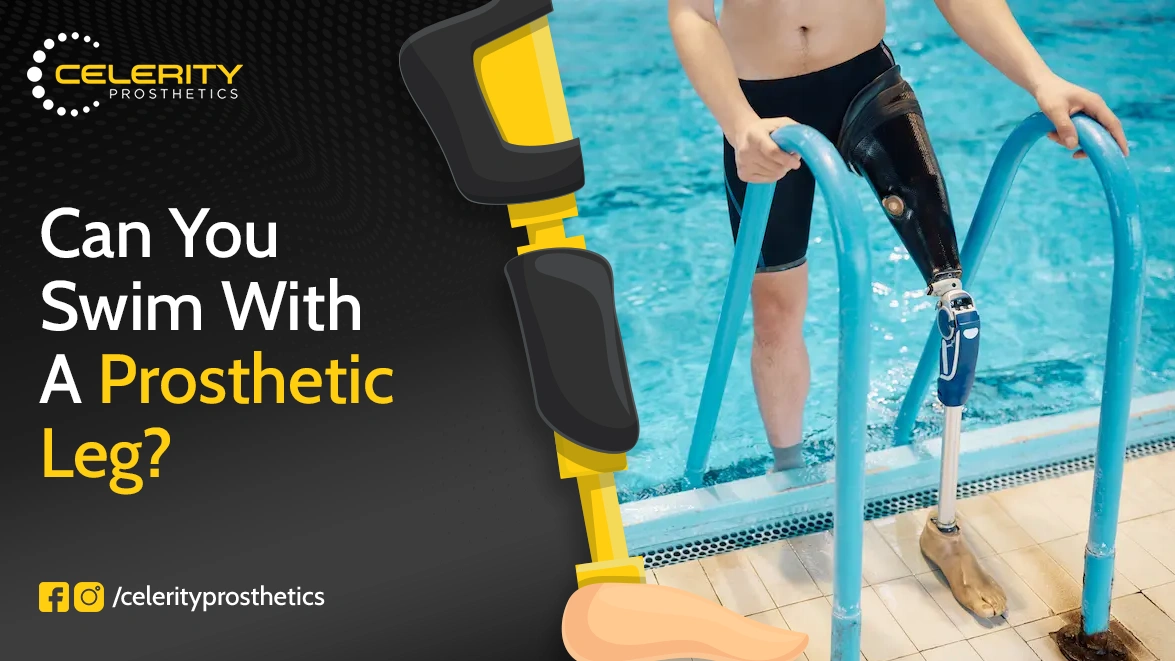
People often hesitate around water when they first get a prosthetic leg. It makes sense. The idea of metal, liners, joints, movement, and many other things mixing with water leaves the impression that something could really go wrong. The reality is that, yes, you can swim with a prosthetic leg, but it depends on the type of leg you’re using and how it responds to being fully submerged.
Some legs are made for swimming. Some can take splashes but not a full dive. Others should avoid being near water altogether. Once you understand which category yours falls into, the entire idea becomes far less stressful. You can prepare, adjust, and go in with confidence instead of guessing.
Understanding Whether Swimming Is Safe for Your Legs
Yes, you can swim with a prosthetic leg, but only when the leg is built to tolerate water. Instead of a long explanation, here’s the simple breakdown people usually follow:
- Some prosthetic legs are waterproof and can be used in pools, lakes, or the ocean without issues.
- Others are water resistant, meaning splashes are fine, but full submersion isn’t.
- Many everyday prosthetic legs are not made for swimming and may corrode, trap sand, or loosen after exposure.
- Swim-specific legs exist, and they are usually the safest and most comfortable option if you plan to spend a lot of time in the water.
If you’re unsure, a quick check with your prosthetist can save both the leg and your day at the pool.
What to Know Before Getting Into the Water
Before you head in, there are a few small but important things worth knowing. They keep the leg safe and help you avoid surprises once you start moving around.
- Check the water rating. This is the biggest one. It tells you exactly what your prosthesis can handle.
- Materials matter. Saltwater, chlorine, and debris can damage certain metals or joints if they’re not designed for water.
- Your liner behaves differently when wet. Some stretch. Some get slippery. Some soak up moisture.
- Balance shifts in the water. Buoyancy can lift the leg slightly or alter the sensation of your kicks.
- Sockets loosen when exposed to water. Even a slight amount of moisture alters the fit.
- Sand and grit can creep into even the smallest spaces. It’s common around lakes and beaches.
- Your prosthetist can confirm everything. Most people get answers instantly once they ask.
These points don’t stop you from swimming, but they help you go in prepared.
How to Swim Safely: Tips and Best Practices
Here’s where the practical part comes in. These steps make swimming easier, smoother, and safer for both you and the prosthesis.
Before the Water
Let’s start with the basics.
- Start in shallow water: Give your body time to settle. The prosthesis moves differently once water lifts it slightly, so walk slowly and adjust accordingly.
- Use the pool edge or a rail at first: A few seconds of support helps you find balance. You can let go when you’re ready.
- Ease into the water instead of jumping: A sudden impact can shock the socket, and the fit may suddenly feel off. Walking in is the safer route.
Once You’re Swimming
Now you can begin moving without rushing.
- Pay attention to how the leg floats: Some legs rise a bit. Some sit heavily. Either way, let your kicks adjust naturally.
- Take it stroke by stroke: Your rhythm might feel uneven at first. Give it time to smooth out.
- Be cautious of open water: Currents, waves, and uneven ground change how your body reacts. Stay close to the shore until you understand how your prosthesis behaves.
After the Water
This part is just as important as the swim.
- Rinse the prosthesis with fresh water: Salt, chlorine, and sand can cling to joints even when they are not visible.
- Check for anything stuck inside: A grain of sand can feel harmless until it starts grinding later.
- Let everything dry fully: Moisture changes fit, so letting the socket and components dry prevents rubbing or discomfort the next day.
These steps aren’t complicated. They just keep things easy and predictable, which is exactly what you want when a prosthesis is involved.
Conclusion
You can swim with a prosthetic leg when the leg is designed for water or has the right protection. Once you know its limits, take a moment to prepare, ease into the water, and care for it afterward. The keyword is understanding. A water-rated leg makes everything straightforward. One that isn’t built for swimming just needs more caution or a separate swim-specific option.
When you understand how to swim with a prosthetic leg, you open the door to enjoying water without worry. And if you ever need help choosing a setup that suits your movement, we at Celerity Prosthetics can guide you toward something safe, comfortable, and tailored to your routine.