
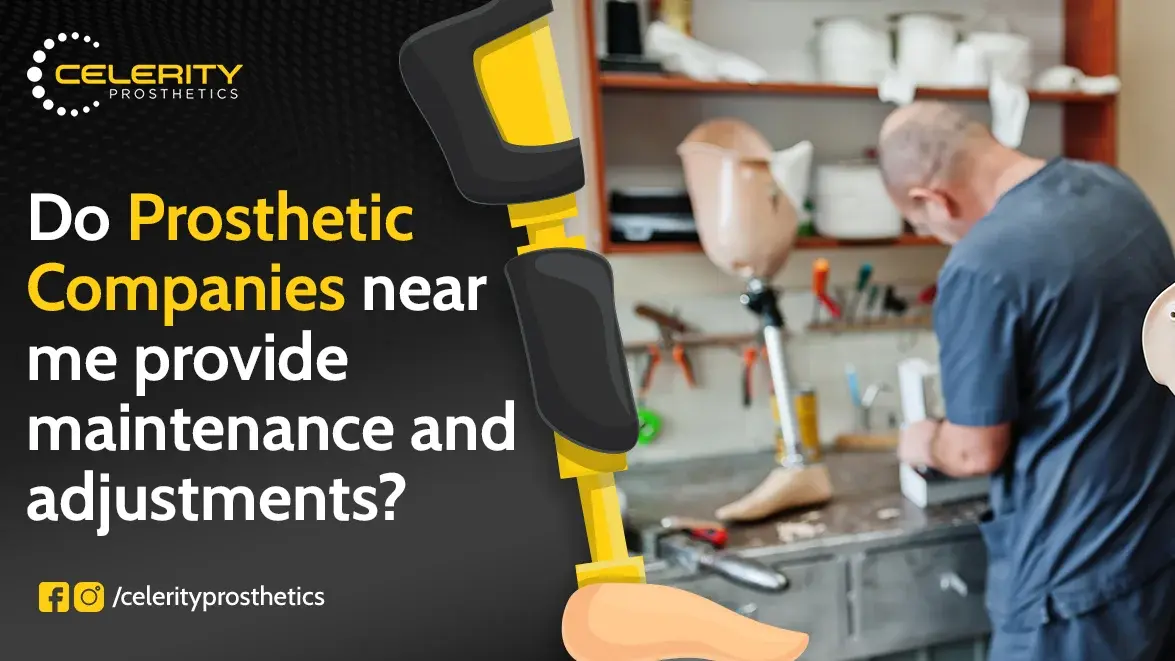
Daily prosthetic use leads to gradual changes in comfort and efficiency. Prosthetic care and adjustments fix issues caused by volume fluctuations or component fatigue that disrupt balance during daily routines.
Residual limbs shrink post-surgery so devices may slip and cause blisters without timely intervention. Active pursuits like sports accelerate component wear, which can abruptly interrupt mobility.
Have questions or are you ready to get started? Reach out to us today — we’re here to help!
Expert providers nearby ensure devices last longer with customized solutions for real needs. Celerity Prosthetics stands out as the best prosthetic company in Oklahoma City for comprehensive prosthetic care and adjustment services including gait checks and liner refreshes. Their approach keeps users moving freely year after year.
Do Prosthetics Require Maintenance?
Prosthetics face daily wear from steps and sweat, which shift socket fit over time. Residual limb volumes change with healing, so devices loosen and rub without checks. Socket adjustments restore comfort for long walks or work shifts. Materials like carbon fiber can fatigue under repeated impact from stairs or sports activities.
Liners soak up moisture that breeds bacteria inside during hot weather conditions. Joints stiffen when dirt builds up so motion slows without cleaning routines in place. Batteries drain faster in powered units for active users who climb hills daily. Regular upkeep prevents breakdowns that suddenly halt independence.
Do Prosthetic Providers Offer Repair and Adjustment Services?
Many top prosthetic company near me consistently provide prosthetic maintenance programs tailored to lifestyle demands. In-house adjustments solve rubbing or looseness issues before they worsen gait patterns. Comprehensive repairs restore full function so users return to their routines swiftly.
Key services include the following examples that show real impact daily.
- Socket adjustments trim excess material when residual limbs shrink after healing. Some custom artificial limbs require vacuum tests to confirm seal strength for secure wear.
- Pylon reinforcements fix bends caused by repeatedly carrying loads up stairs over time. Load sensors verify stability under real-world pressures applied daily.
- Hydraulic components may require fluid servicing when contamination stiffens motion during extended use. Calibration tools dial in speed for natural heel-to-toe rolls.
- Liner replacements address sweat damage that causes grips to slip during summer heat waves. Silicone gels refresh hygiene and suspension for better skin health.
- Diagnostic checks help spot microcracks before failures interrupt mobility unexpectedly. 3D printing crafts custom fixes faster than traditional methods alone.
These services integrate tech for precision, boosting confidence in every step taken. Providers track usage patterns to effectively predict needs in advance. Long-term partnerships yield smoother mobility journeys year-round.
Choosing the Right Prosthetic Provider for Maintenance
Smart provider choices ensure lifelong device reliability for active users everywhere. Local options cut downtime with quick access to prosthetic adjustments. Expertise matters most when wear patterns vary by daily demands and body changes over time. The sections below break down key factors to weigh carefully.
Evaluate Service Range and Expertise
Certified prosthetists spot subtle wear before major failures disrupt routines completely. They use tools like laser alignment for precision that boosts gait efficiency right away. Years of cases have taught them unique fixes for sports users and desk workers alike. Deep knowledge seamlessly covers carbon fiber repairs and hydraulic tweaks.
Review Accessibility and Location Factors
Proximity allows drop-in visits when looseness starts during busy weeks ahead. Evening hours suit workers who need fixes without missing shifts or family time. Local prosthetics okc clinics reduce travel stress so patients focus on recovery instead. Reliable transport links make follow-ups simple for consistent, long-term care.
Consider Cost Structures and Packages
Bundled plans lock in yearly maintenance services at fixed rates that avoid surprises. Some providers include routine socket trims within first-year service plans. Upgrades for high activity levels remain affordable through available smart coverage options. Transparent pricing builds trust for ongoing partnerships that last years.
Patient Feedback and Follow-Up Protocols
Reviews clearly reveal real turnaround times and technician courtesy from past clients. Proactive reminders for check-ups show commitment to user success over time. Positive reviews highlight clinics that call after repairs to confirm satisfaction. Trust grows when feedback shapes better service over time.
Technology Integration for Long-Term Care
Apps log stride data between visits so pros predict fit issues early on. Video calls review gait from home phones for remote tweaks when needed. 3D scans update sockets without full remake, always for cost savings. Tech keeps devices up to date so mobility stays strong year after year.
Read Also: What types of artificial limbs are available in Oklahoma City?
Conclusion
Ongoing prosthetic maintenance ensures freedom from fit issues or breakdowns in the long term. Prosthetic companies, like Celerity Prosthetics, provide expert repairs and check-ups that restore peak performance quickly. Active lifestyles thrive with services that cover everything from pylon fixes to precise gait tuning.
Users consistently report higher satisfaction with dependable local teams. Plenty of providers meet these needs effectively today. Start enjoying uninterrupted mobility right away. Contact Celerity Prosthetics today. Arrange your adjustment session for reliable care and custom solutions ahead.
FAQ
Do local prosthetic clinics offer in-house adjustments?
Yes. prosthetics clinics provide in-house adjustments for sockets and alignments daily. Technicians fix fit issues the same day so users walk comfortably without waiting weeks for external shops.
What types of maintenance services do prosthetic companies provide?
Companies offer socket adjustments, liner cleaning, pylon repairs, gait checks, and part replacements regularly. Hydraulic flushes and alignment tweaks keep devices stable for active daily use.
How often should a prosthetic be adjusted?
Adjustments are usually needed every 3–6 months based on activity level and body changes. New users check monthly at first, then quarterly, so the fit stays perfect through the healing phases ahead.