
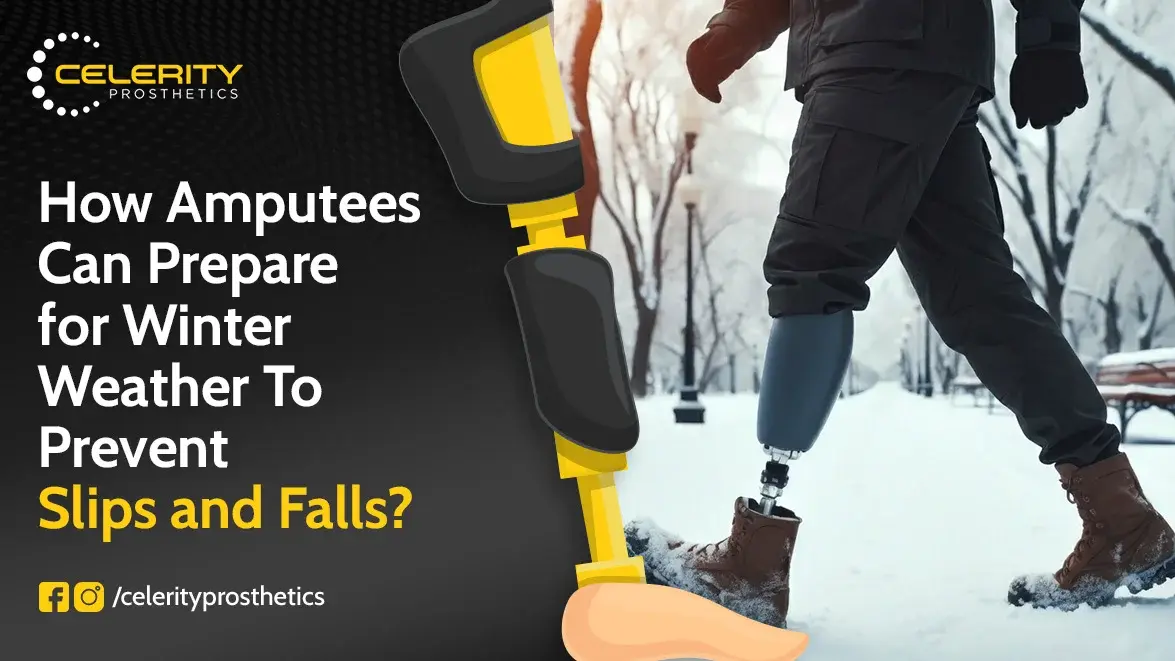
Winter weather can be hard for lower-limb amputees. Snow and ice change the way the ground feels. A prosthetic that works well in summer may feel different in cold months. Balance can shift, and steps can become risky. But, preparing ahead helps reduce these problems. Small changes in routine make a big difference.
Many amputees stay active all winter with the right habits. The goal is not to avoid winter life, but to move safely through it. Amputees can prepare for winter weather to prevent slips and falls by choosing the right shoes, opting for anti-slip gear, and safe walking.
Safety Tips for Lower Limb Amputees During Winter Weather
Below are some of the best safety tips for lower-limb amputees during winter weather:
Right Shoes
Shoes are the first layer of safety. A firm sole grips better on wet sidewalks, while soft shoes may slip on ice. Boots with deep tread hold the ground. The shoe must fit the prosthetic foot well as a loose shoe can twist while walking.
For example, winter boots with rubber bottoms often feel steadier than smooth sneakers. One small change in footwear can improve confidence.
Traction Gear
Traction gear adds extra grip under the shoe. These are simple straps or clips that bite into snow and thin ice. Many amputees keep a pair in their bag. It is a quick way to feel secure.
- Carry traction covers on snowy days.
- Choose gear that fits your shoe size.
- Check the metal spikes before use.
- Remove them indoors to avoid slips.
- Replace worn parts each season.
Check Fit
Cold weather can change limb size. The residual limb may shrink in winter. This can make the socket feel loose, and a loose fit affects balance. Checking the fit each morning helps prevent falls. Adding a thin sock can help solve the issue.
Anti-Slip Parts
Some prosthetics allow anti-slip attachments. These parts improve contact with the ground. Ask your prosthetic clinic about winter add-ons. Not every device needs them, but many users find them helpful.
Safe Paths
Choosing safe paths matters more during winter. Side streets may stay icy longer. Main roads are often cleared first. Walking a longer, but safer, route is a good idea. Think about the path you’ll travel before you ever leave home.
Hands Free
Keeping your hands free improves balance. Carrying heavy bags can pull the body sideways. Consider a backpack to spread the weight better. Free hands also help if you need to grab a rail.
Use Cane/Crutches
Extra support is useful on bad days. A cane can test the ground before each step. Crutches give more control in thick snow. Many amputees use them only in winter. There is no shame in added support.
Stay Visible in Low Light
Winter days get dark early. Drivers may not see you well. Bright clothing and reflectors help. Visibility keeps you safe near roads.
- Wear a light colored jacket.
- Add reflectors to the prosthetic.
- Use a small flashlight at night.
- Choose well-lit streets.
- Avoid walking behind parked cars.
- Make eye contact with drivers.
Avoid Ice
The best tip is simple – don’t walk on ice. Even careful steps can fail. Look for salted areas or grass edges. Waiting a few minutes for help is better than risking a fall.
Leg & Core Strength
Strong muscles support balance. Winter makes the body tense. Simple exercises keep control sharp. A few minutes a day can help.
For instance, standing near a chair and lifting one leg builds core strength. This kind of routine supports safe walking.
Safe Walking
Walking style needs small changes in winter. Short steps are safer than long strides. Keep the body straight. Do not rush, even if it is cold. Slow movement reduces shock on the prosthetic.
Conclusion
Winter does not have to limit life for amputees. With planning and smart habits, most risks can be lowered. The right shoes and traction gear give a better grip. Checking the prosthetic fit keeps you feeling secure. Choosing safe paths and staying visible protects you outside. Support tools like canes can add confidence on tough days. Strength and a careful walking style help the body respond to slippery ground. Every person can build a routine that works for them. Safety grows from small daily choices. Winter can still be active and enjoyable.
For more information about how amputees can prepare for winter weather, reach out to the professional team of Celerity Prosthetics.
FAQs
How do you keep an amputated limb warm?
Use thermal liners, insulated covers, or wool socks over the residual limb. Layering helps retain heat, especially in cold weather, while keeping the prosthetic fit comfortable and secure.
How can winter injuries be prevented?
Prevent injuries by wearing traction devices, walking carefully on icy surfaces, choosing safe routes, and ensuring the prosthetic fits properly to maintain balance and stability.
What keeps a prosthetic leg from falling off?
A secure prosthetic socket, proper suspension system, and regular adjustments ensure the leg stays in place. A correct fit prevents slipping, improves comfort, and supports safe walking.