
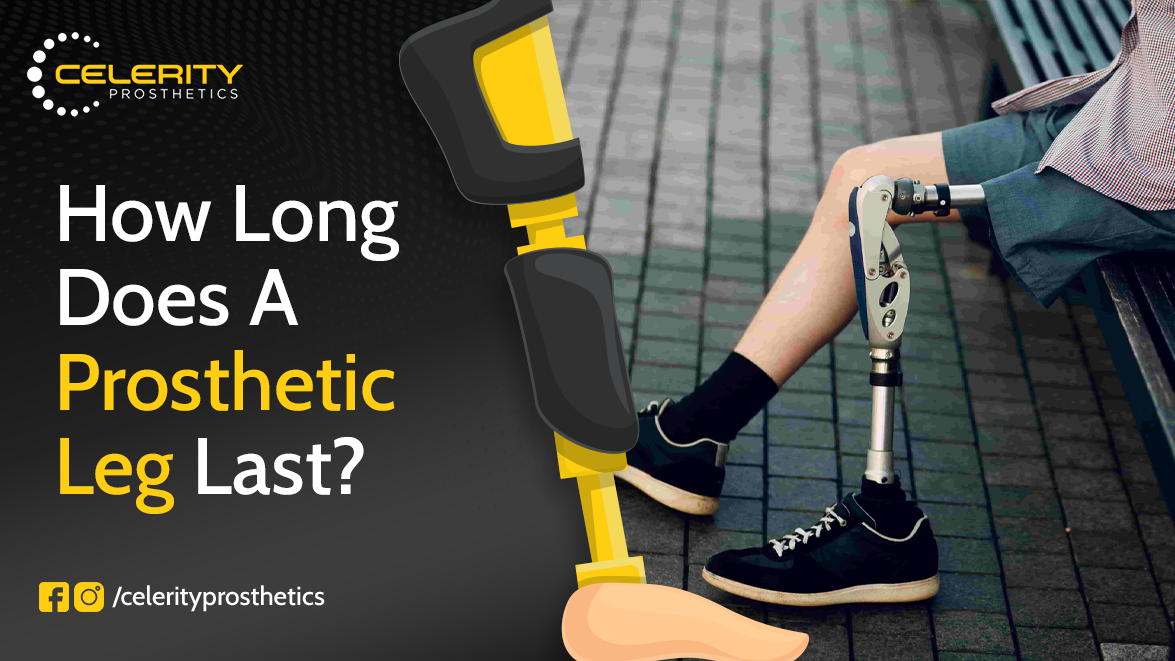
A prosthetic leg is more than just a device; it becomes part of daily life. When a person is standing, hiking, walking, or working, the leg responds to forces and adapts when the user’s body changes. But it doesn’t last forever. So, how long does a prosthetic leg last? A prosthetic’s lifespan depends on use, fit, and care.
Heavy walking, sports, and rough terrain wear parts faster. A full prosthetic leg typically lasts 3–5 years, the socket 1–3 years, and the soft parts even less. Changes in limb shape or weight upset the socket fit, but regular cleaning of sockets and liners and soft parts help to prolong life. Components can also be safeguarded by avoiding exposing the prosthetic to undo heat, water, or dirt.
Typical Lifespan of a Prosthetic Leg
Below is a table of the average lifespans of various prosthetic components. Projections are made with average activity, proper care, and a stable residual limb. Here are the details:
| Component | Typical Lifespan Estimate | Context |
|---|---|---|
| Whole prosthetic leg (full device, active adult) | 3 to 5 years | Many clinics use a “reasonable useful lifetime” of 5 years for prosthetic devices. |
| Prosthetic leg for children | 1 to 2 years | Growth and changing limb shape force more frequent replacement. |
| Socket | 1 to 3 years | The socket must match the residual limb closely; small shape changes often require refitting. |
| Foot & ankle components | 3 to 5 years (or more) | Joints, springs, and foot materials endure much use, so they often set the “wear limit.” |
| Knee components (when applicable) | 3 to 5 years | Mechanical or microprocessor knees face significant stress; maintenance or earlier replacement will be necessary. |
| Liners, sleeves, socks (soft parts) | 6 to 12 months (in rare instances, up to 2 years) | These soft, light elements deteriorate faster due to sweat, abrasion, and repeated wear. |
Key Factors That Affect the Lifespan of a Prosthetic Leg
To understand prosthetic leg lifespan ranges, you should consider these factors:
1. Usage and Activity Level
- Walking volume and intensity: Walking 10,000+ steps daily places far more stress on components than a sedentary lifestyle.
- Terrain variety: Gravel, uneven ground, and slopes stress joints and foot modules more than flat, firm paths.
- Sports or impact actions: Running, jumping, or sudden directional changes produce shock loads. A prosthetic built for everyday walking may fail prematurely under athletic use.
2. Fit and Residual Limb Changes
- Volume fluctuations: Weight loss or gain can make the limb tight or loose within the socket.
- Muscle atrophy or tissue remodeling: The residual limb may change shape over time, altering how pressure is distributed.
- Scar tissue, bone remodeling, swelling: Anatomical shifts degrade socket fit.
Poor socket fit is one of the biggest reasons users need adjustments or replacements. When the socket no longer matches the limb shape, wear shifts unequally and alignment goes out.
3. Material Quality and Technology
- Stronger materials: Stronger carbon fiber, titanium, and higher-grade alloys withstand fatigue better.
- Component complexity: Basic mechanical joints outlast microprocessor or powered knees, which contain electronics, sensors, and software that can wear down.
- Precision and tolerances: Accurate parts with fine tolerances avoid unnecessary movement, friction, and early wear.
4. Maintenance and Care
- Routine checkups: Regular visits to a prosthetist catch loosened bolts, worn bushings, cracks, or misalignments early.
- Cleaning and corrosion control: Sweat, grime, salt, and moisture contribute to surface wear, corrosion, and abrasion.
- Timely replacement of damaged parts: Components like bolts, liners, bushings, or rubber soles are designed to wear out; replacing them on schedule prevents large issues.
5. Environmental and External Factors
- Water, dust, sand: Particles grind joints; water (especially salt or chlorinated) accelerates corrosion.
- User weight: Heavier users put more stress per step, magnifying cyclic fatigue.
- Lifestyle and occupation: Heavy physical labor, frequent bending, and lifting loads augment wear.
- Extreme climates: High heat or UV can degrade plastics and adhesives; cold may make some materials brittle.
Strategies to Maximize Lifespan
Although you will eventually need new parts, certain habits help extend life:
Daily Cleaning of Socket and Liners
- Clean within the socket to remove dirt, grime, and sweat.
- Wash liners or sleeve covers with gentle soap and water; dry completely.
- Clean foot, joints, and connectors as recommended.
Skin Care of the Residual Limb
- Keep the skin clean and lightly moisturized as recommended by your prosthetist.
- Inspect daily for irritation, redness, or sores.
- Let the limb rest without a socket occasionally, if advised.
Avoid Excess Heat, Moisture, and Dirt Exposure
- Use protective covers when exposed to sand or dust.
- Avoid high heat (cars, radiators), which may distort parts.
- Do not soak unless the parts can handle water.
Use Specialized Prosthetics for Demanding Activities
- Use an activity-specific leg rather than pushing a daily prosthetic too hard for sports.
- Swap between alternate joints or feet rather than over-straining a setup.
Schedule Regular Professional Check-Ups
- Have a prosthetist inspect alignment, connections, and wear.
- Minor adjustments can prevent bigger failures.
- A check every 6–12 months is a wise routine.
Prompt Repairs and Socket Adjustments
- Don’t delay fixing small cracks or misalignments.
- Adjust the socket fit early to reduce pressure concentrations.
- Minor tweaks cost less than full replacement.
Timely Replacement of Damaged Parts
- Liners, socks, and cuffs usually need replacement sooner than other parts.
- Replacing a worn component may protect other parts from stress.
Care for Microprocessor and Powered Components
- Batteries, sensors, and motors have limited lifespans.
- Stick to the manufacturer’s rules for charging, firmware, and updates.
- Check connections and wires regularly.
Proper Storage in Favorable Conditions
- Store in a dry, moderate-temperature area away from direct sunlight.
- Keep away from substances that can corrode or deform materials.
Careful Handling and Transport
- Transport in well-fitted cases.
- Avoid dropping or jarring the prosthesis.
- When removing, support delicate parts.
Conclusion
Most prosthetic legs last three to five years, depending on care and use. Due to growth, child users often need replacements every one to two years. The socket should be replaced or resculpted earlier than other components. To extend its life, clean the prosthetic regularly, schedule checkups, address early signs of trouble, and use it appropriately.
If you experience pain or notice issues, see your prosthetist promptly before they worsen. You can contact Celerity Prosthetics to schedule a consultation today and keep moving confidently.