
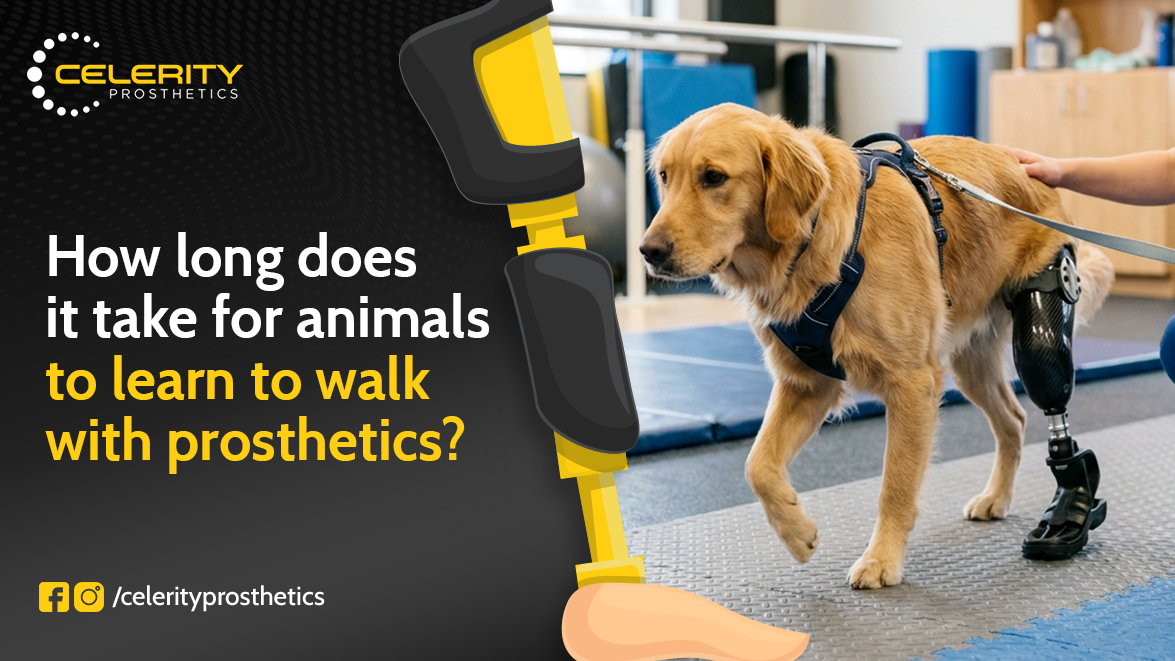
Animals do not learn to walk with prosthetics overnight. Some pets start moving within days, while others need several weeks before they feel comfortable again. Recovery time is influenced by elements like healing, confidence, body strength and habitual practice. Many owners also notice small improvements before normal walking fully returns. With proper support, patience, and well-fitted animal prosthetics, pets can slowly rebuild balance and regain safer movement during everyday activities.
Core Takeaways
- Some animals adjust within days while others need several weeks.
- Walking confidence usually improves little by little over time.
- Proper prosthetic fitting supports safer and smoother movement.
- Therapy and short training sessions help recovery progress.
- Older pets can still adapt successfully with patient support.
How Long Does It Usually Take Animals to Adjust to Prosthetics?
Recovery usually happens gradually because the body must adjust to a completely different walking pattern after healing begins.
Early Adjustment During the First Few Days
The first few days often feel unfamiliar for the animal. Some pets stop frequently during walks while others avoid placing weight on the prosthetic completely. That stage is common during early recovery. Short practice sessions usually help animals feel calmer and less overwhelmed during movement training.
Learning Basic Balance and Weight Distribution
Remember that balance typically improves within the first few days of movement practice. Animals gradually transfer more body weight to the prosthetic side during standing and walking. Some pets wobble less each day while others move cautiously for longer periods before gaining confidence.
Walking Improvements Over Several Weeks
Movement practice becomes increasingly smooth after weeks, often months of repetition. Most of the time, pets take all their attention off the prosthetic and start to move more naturally. A properly fitted animal prosthetic can reduce pressure on the remaining limbs and improve overall body stability during movement.
Long-Term Adaptation and Muscle Strengthening
Long-term adjustment takes patience because weakened muscles need time to rebuild properly. Some animals avoided movement before receiving prosthetic support which often reduces strength initially. Daily walks, stretching, and light activity slowly improve posture, endurance, and coordination over the following months.
Factors That Affect How Quickly Animals Learn to Walk With Prosthetics
Several different factors influence how quickly recovery happens after prosthetic fitting.
Type and Size of the Animal
In large dogs, pressure impairments are generally exerted via the prosthetics during walking. Smaller pets sometimes adapt more quickly because their body weight feels easier to support. Cats also show different responses in comparison with dogs. Most cats respond better to slow movement with gentle probing prior to fully trusting the device.
Age and Overall Health Condition
Young animals often recover faster because they remain naturally active and flexible. Older pets can still create with confidence, although the changes tend to be more gradual. You also may not walk as well due to arthritis, weakness or past injuries that arise during rehabilitation exercises and daily activities.
Limb Loss Severity and Healing Progress
Healing progress strongly affects prosthetic training speed. Sensitive skin, swelling, or incomplete healing may make movement uncomfortable during early recovery stages. Some animals also lose larger portions of the limb than others which changes balance, stability, and prosthetic support during walking.
Prosthetic Fit and Comfort
During every stage of recovery, comfort is key. A loose prosthetic may shift while walking and create instability. You may have sore or irritated skin afterward with a device that presses too tightly. Minor fit modifications nearly always enhance mobility very soon after being put to use and allow for a greater sense of security throughout daily activity.
Rehabilitation and Physical Therapy Support
Rehabilitation strengthens animals and gradually improves movement. The most common techniques involve balance drills, stretching routines and short controlled walks led by the therapist. Owners typically continue with simple exercises at home. But it still matters, as confidence is strengthened by movement practice over time.
Signs an Animal Is Adjusting Well to a Prosthetic Limb
Most animals show small improvements before perfect walking fully returns. Owners often notice calmer movement and better posture first. As pets become more comfortable using an animal prosthetic leg, daily movement usually starts looking more natural and less stressful over time.
Improved Balance and Coordination
Better balance often appears before faster walking develops completely. Animals may stop leaning heavily onto the healthy limbs while standing still. Turning corners and changing direction may also become smoother. Improved coordination usually means the body is adapting more naturally to movement again.
Increased Confidence While Walking
Confident animals hesitate less during movement around the house or outdoors. Dogs may walk toward family members more willingly while cats begin exploring familiar spaces again. Relaxed movement usually shows the prosthetic feels less uncomfortable and more familiar during normal activity.
Reduced Stress During Movement
Symptoms of stress are commonly freezing, whining, pulling away or refusing to move at all. If your dog has adapted well, they should be more relaxed on walks and when going about day-to-day life. During movement sessions, owners often observe that their pets appear less focused on the prosthetic itself and more engaged with their environment.
Better Weight Distribution and Mobility
Weight distributed across the body reduces pressure on formerly healthy joints and muscles over time. Adapted animals tend to distribute body weight more evenly across the legs while standing and walking. Better mobility also includes typical activities of daily life including climbing steps, or turning comfortably and moving across varying floor surfaces.
Common Challenges Animals Face During Prosthetic Training
Adjusting to a prosthetic limb takes time and consistent rehabilitation. Animals need to learn new movement patterns while building strength and balance with the device. During training, they might experience discomfort in their bodies, poor coordination skills or confidence issues that affect mobility and performance in the short-term.
- Skin rubbing may happen after longer walking sessions
- Some pets become nervous during early training days
- Weak muscles can make balancing more difficult initially
- Uneven walking may strain healthy limbs over time
- Certain animals tire faster than owners expect
- Young pets may outgrow their prosthetic fitting eventually
Recovery takes time so owners first and foremost, should not rush the process. Rest periods matter just as much as practice sessions during rehabilitation. Also, regular follow-up appointments can catch fitting issues early on before much bigger movement issues develop later too.
Read Also: Which Oklahoma City clinics accept insurance for prosthetics?
Conclusion
Learning to walk with a prosthetic takes time for most animals. The pet’s adaptation varies a lot from a few days to months in order to make walking easy. Comfort and confidence over time is dependent on daily support, proper fitting, and training patience. Pet owners searching for experienced prosthetic support and rehabilitation guidance can also contact Celerity Prosthetics for personalized care and mobility solutions.
FAQs
How long does it take dogs to adjust to prosthetic legs?
It usually takes a few weeks for proper walking, but most dogs start adjusting within several days. Recovery relies on comfort level, rate of healing, condition of the body and consistency with movement practice.
Can cats learn to walk with prosthetics?
Yes, some cats are successfully trained, they do seem to learn more diffidently than dogs. Slow introductions usually help nervous cats feel more comfortable during movement training.
Do animals need physical therapy after getting prosthetics?
Therapy helps improve balance, strength, coordination and movement confidence in many animals. Therapy also helps reduce strain on the remaining healthy limbs.
Are animal prosthetics permanent?
Only a few prosthetics survive many decades, always requiring repairs and adjustments. As young animals continue to grow, they may need replacement devices.