
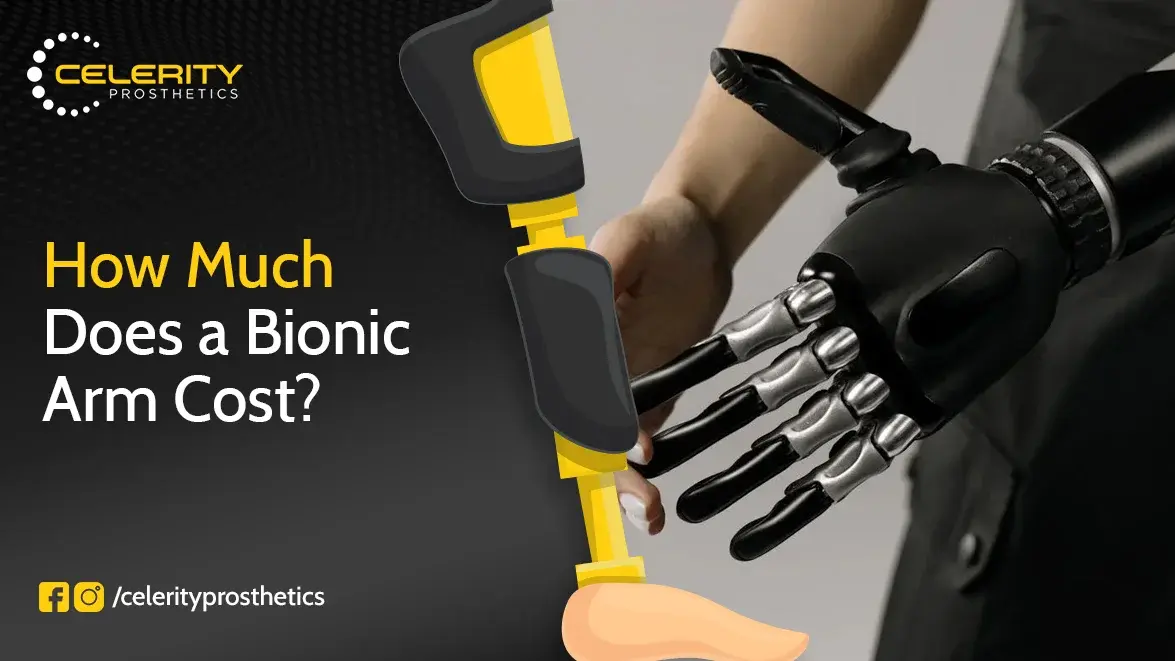
Adapting to life after an upper limb amputation flips every familiar routine upside down. Simple tasks, like holding a warm mug or tying shoes, require brand new effort. Fortunately, modern prosthetics provide remarkable independence and fluid movement that once would have felt like science fiction. Still, almost everyone asks one main question right away: what is this going to cost?
A bionic arm can run from $10,000 for entry-level options to over $100,000 for high-tech options. Your final cost depends on the components, amputation level, and custom fitting needs. Having a clear financial picture makes taking initial steps much easier.
Key Takeaways
- Overall pricing spans a wide range because every build is custom designed around your specific hardware choices, amputation level, control systems, and individual fitting needs when determining bionic arm pricing.
- Your total cost comes from multiple places, including the terminal device, control mechanism, custom socket, and supporting hardware, especially in advanced myoelectric systems.
- Where your limb was amputated affects the engineering since an above-elbow prosthesis may require additional components to replace functions that a below-elbow device does not.
- Upfront costs are only part of the story, so you also want to plan ahead for routine maintenance, socket adjustments, battery replacements, and physical rehab.
- Health plans handle these devices in very different ways, which is why working with an experienced clinic helps so much when navigating coverage.
Breakdown of Prosthetic Arm Costs by Type
Not every device operates the same way. You certainly do not always need the most complex model to get back to doing what you love. Depending on the overall design, structural parts, and underlying control technology, costs shift across a few main categories:
- Passive or Cosmetic Models: Lightweight options that offer steady support and look remarkably natural, though they do not feature powered moving digits.
- Body Powered Systems: Time-tested designs operated manually through a cable and shoulder harness setup worn across your back.
- Entry-Level Motorized Arms: Devices using simple skin sensors to detect muscle twitches and trigger basic open and close movements.
- Advanced Bionic Devices: Options that may use myoelectric hands with multiple grip patterns for greater control during everyday tasks.
- High-End Full Arm Systems: Comprehensive builds that have motorized elbows, smart wrists, and advanced control electronics working in tandem.
Additional Expenses to Anticipate
Focusing exclusively on the initial hardware price tag is an easy trap to fall into. A prosthetic arm is something you wear every single day, so it naturally runs into regular real-world wear and tear. You will want to keep a few ongoing ownership considerations in mind as you plan your budget:
- Socket Rebuilds & Adjustments: Human bodies naturally shift over time. Your residual limb can change in size and shape as your muscles adapt, which eventually calls for socket adjustments, modifications, or a full rebuild down the road.
- Liners & Suspension Accessories: Depending on the prosthetic system, you may also need accessories, such as gel liners or suspension sleeves to keep friction away from your skin.
- Occupational Rehabilitation & Therapy: Specialized therapy is another big piece of the puzzle. Training alongside a qualified rehabilitation professional, such as an occupational therapist, helps you learn how to control the device efficiently during daily chores.
- Maintenance, Repairs, & Battery Care: High tech prosthetics may periodically require maintenance, repairs, programming, recalibration, component adjustments, and battery replacement.
Key Factors That Drive the Cost of a Bionic Arm
While initial price estimates offer a helpful starting point, understanding what actually shapes those numbers gives you far better clarity when evaluating your options. Several critical technical, biological, and clinical factors determine where a specific prosthetic arm lands on the price scale:
1. Amputation Level
The exact location of your amputation changes the entire construction process. A transradial or below-elbow prosthesis generally involves a simpler configuration than a prosthesis that also needs to replace elbow function. A prosthesis that replaces the elbow as well as the forearm and hand can require more intricate engineering, which may increase the overall cost.
2. Terminal Device Features
Choosing between a classic motorized hook and a full prosthetic hand makes a noticeable difference in your total bill. Some advanced prosthetic hands feature individually controlled finger movements and multiple grip modes to help you handle detailed daily tasks with confidence.
3. Sensors and Control Hardware
Basic setups pick up straightforward muscle flexes from a couple of spots against your skin. Advanced units can use more sophisticated control software to interpret muscle signals and provide more responsive movement. That higher level of technology adds to the total system cost.
4. Custom Fitting and Labor
No two human bodies are built the exact same way. A major portion of your investment goes directly into clinical care from specialists who measure, shape, test, and adjust the device so it fits comfortably and functions properly for your individual needs.
5. Daily Life Additions
If you enjoy outdoor recreation, working in the garden, or hitting the gym, task-specific attachments or protective covers are fantastic options. These modular add-ons give you extra versatility for specific hobbies or physical work demands.
Navigating Insurance and Financial Support
Sorting out insurance details can feel like a full time job, but you never have to tackle it all on your own. Many commercial health insurance plans offer coverage for medically-necessary prosthetic devices, though specific authorization steps, coverage rules, and out-of-pocket costs vary from plan to plan.
Medicare and Medicaid may also cover prosthetic limbs, but eligibility, covered components, required approvals, and out-of-pocket expenses depend on your specific program and location. Veterans often have access to prosthetic care and coverage through VA healthcare benefits depending on their eligibility and personal situation. On top of that, non-profit organizations and foundation grants can sometimes step in to help cover specific funding gaps.
Partnering with an attentive clinical team makes a world of difference throughout this whole process. Specialists can help you work through complex insurance requirements, fit and adjust custom components, and provide steady guidance every single step of the way.
Conclusion
Investing in a bionic device is about so much more than just picking out high-tech hardware. It is about working toward greater independence, personal confidence, and daily mobility on your own terms. While overall bionic arm pricing depends heavily on components, amputation level, and customization, breaking down these factors makes the overall financial picture much easier to digest.
Between clinical support, insurance navigation, and local resources, obtaining modern prosthetic arms or a new prosthetic hand is an achievable goal. Take your time, ask plenty of questions, and work with dedicated professionals at clinics like Celerity Prosthetics to help you navigate every step of the journey and thrive.
Frequently Asked Questions (FAQs)
How long does a bionic arm usually last?
The lifespan of a prosthetic device varies depending on its components, how often you wear it, regular maintenance, and physical changes in your residual limb. Scheduling regular clinical checkups keeps everything running smoothly.
Will insurance cover the cost of my new device?
Many health plans cover functional prosthetics when medical necessity criteria are met. However, your specific policy dictates the exact coverage limits, authorization steps, and out-of-pocket costs.
Can I start with a simple device and upgrade later?
Some people start out with a simpler prosthetic setup and transition to more advanced technology later down the road as their goals, daily needs, and comfort level evolve.
What is the main difference between myoelectric and bionic options?
Myoelectric refers to how a prosthesis uses electrical signals from your muscles to trigger movement. Bionic is a broader term used for advanced prosthetic technology. Some advanced bionic hands use myoelectric control to offer multiple grip patterns and more versatile movement.