
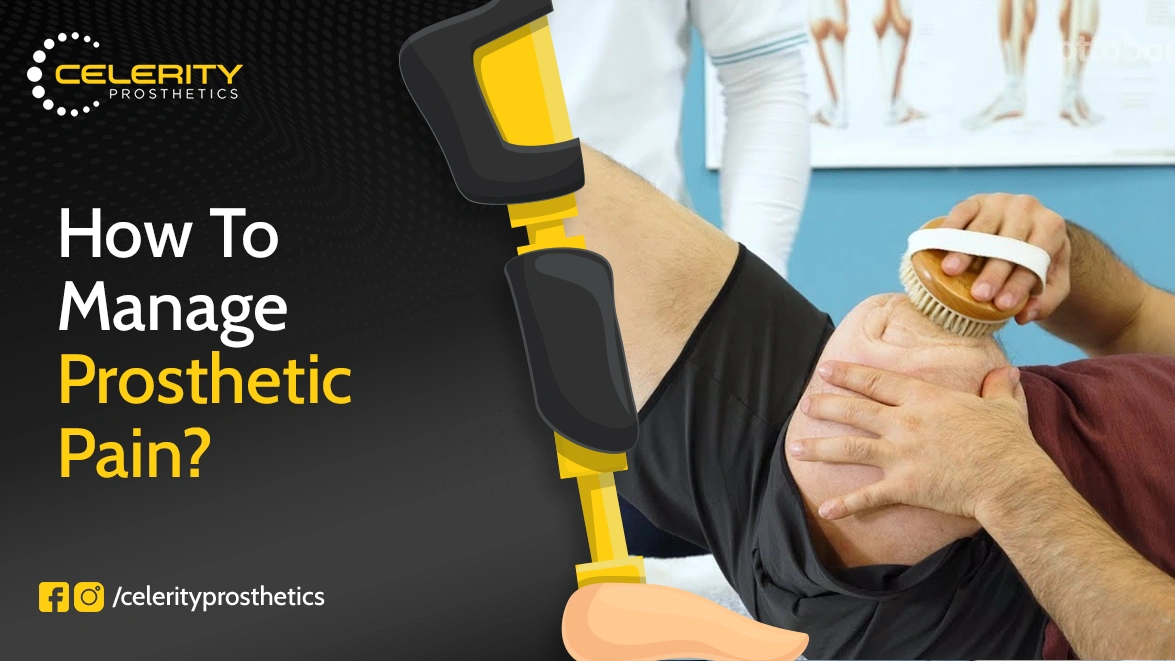
Some days, prosthetic pain can feel like discomfort from pressure points or friction in the socket. Prosthetic pain usually comes from pressure, friction, sweat, or small fit changes you might not even notice at first. Fixing it is less about chasing perfection and more about learning what your limb is trying to tell you.
Once you know the patterns, you can adjust early and avoid flare-ups. For managing prosthetic pain, the first thing is understanding why it’s happening. There are multiple effective ways to manage it, such as adjusting the socket, liner replacement, moisture control, and cushioning. That’s how to manage prosthetic pain.
Understanding Why Prosthetics Hurt
Prosthetics don’t usually hurt because something “went wrong with you.” They hurt when the system, your limb, your skin, the liner, or the socket stops syncing up. Even a long walk on uneven ground can shift how weight loads inside the socket. Or maybe you slept differently and woke up with a slight bit of swelling. All of that shows up as soreness.
The first step is noticing the “where” and “when.” Pain at the bottom? It could be pressure. Pain on the sides? Maybe friction or swelling. Pain only after walking? Maybe alignment. Treat pain like data, not a problem you have to push through.
Effective Ways to Manage Prosthetic Pain
These are some of the most effective ways to manage prosthetic pain:
Socket Adjustment
- If you feel a pinch, rubbing, or slipping, don’t wait; call your prosthetist.
- They can tweak height, angle, or relieve pressure areas in minutes.
- A small fix now prevents bigger issues later.
Liner Replacement
- Liners break down slowly, so you don’t always notice until it’s obvious.
- If the liner feels “squishier” or loose, it’s probably worn.
- A fresh liner often makes the whole setup feel new.
Residual Limb Hygiene
- Wash gently every day and dry fully; tiny bits of moisture can cause big irritation.
- Look for redness in hard-to-see spots, behind folds, near the bottom, or around bony areas.
- Clean skin normally leads to fewer infections and smoother wear.
Moisture Control
- Sweat is a major culprit. Even a thin layer can make your limb move inside the socket.
- Nighttime antiperspirants help many people stay dry the next day.
- Keeping a spare sock or liner on hand is a small habit that prevents a lot of trouble.
Cushioning Inserts
- Inserts help distribute pressure so that one area doesn’t take the full impact.
- Some people change sock thickness during the day as swelling shifts.
- If you’re constantly adding layers, the socket may simply need resizing.
Gradual Wear-Time
- After any break, travel, sickness, or a busy week without the prosthetic, ease back in.
- Give the skin time to toughen up again.
- Short sessions paired with checking your skin work far better than forcing a full day.
Pain Medication
- A mild anti-inflammatory can calm things after a long outing or an unexpected hot spot.
- But pain meds shouldn’t be the everyday plan.
- If medication becomes routine, that’s your cue to revisit fit or alignment.
Physical Therapy
- Think of PT as training the rest of your body to support the limb.
- A therapist helps you find muscles you didn’t even realize you were ignoring.
- When the right muscles fire at the right time, everything feels smoother, and you use less energy.
Gait Training
- A lot of beginners unknowingly overstep or lean to one side.
- A therapist can spot that instantly and give simple cues—shorter steps, softer landings, steady hips.
- Fixing gait issues often reduces pain not just in the limb, but also in your back and shoulders.
Alignment Correction
- If the foot angle feels misaligned or if the prosthetic leg feels too long or short, it can lead to uneven pressure distribution and discomfort in sensitive areas.
- Your prosthetist can adjust alignment without replacing anything.
- Even tiny turns of a bolt can completely change how stable you feel.
Ice Therapy
- After long days, a brief cooling break can help alleviate swelling.
- Wrap ice in cloth, never directly on the skin, and give the limb a few minutes to calm down.
- Many people do this after workouts or walks in hot weather.
Massage Therapy
- Light, slow massage around tender areas boosts circulation and loosens stiff spots.
- Warm the area first with a gentle heat source to make it feel smoother.
- Avoid deep pressure unless a professional guides you.
Strengthening Exercises
Strength builds the foundation your prosthetic sits on. Strong hips help keep you balanced. A stable core prevents leaning. Even simple moves, such as slow marches in place, side steps while holding a counter, or controlled sit-to-stands, teach your body to move more evenly. None of this has to be intense; consistency matters more than difficulty. When your muscles share the workload better, the prosthetic stops feeling like something you’re “managing” and starts feeling like part of your everyday movement.
Conclusion
Comfort doesn’t come from one big fix; it comes from a bunch of small habits layered together. Pay attention to what your body says, keep your skin clean, stay ahead of moisture, and don’t hesitate to ask for adjustments when the fit feels off. Over time, you’ll learn exactly what triggers pain and what settles it. You’ll spend more time moving confidently and less time troubleshooting discomfort. That’s the path to manage prosthetic pain in the long run.
If you still can’t figure out how to manage your prosthetic pain, contact Celerity Prosthetics for professional guidance.