
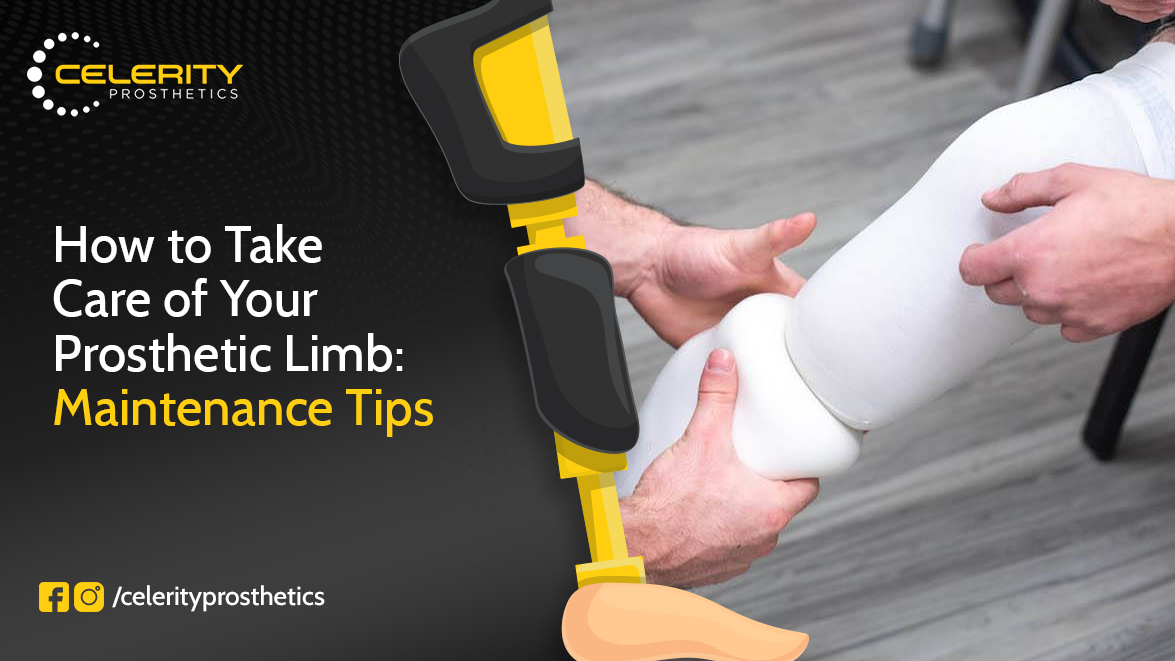
Good care of your prosthetic limb starts with daily habits. Clean the socket and liner after every use to remove sweat and bacteria from your skin. Check your residual limb for any new marks since redness can quickly turn into sores if you ignore it. Storing the prosthesis in a dry and safe place to protect the materials from damage. These habits keep your limb comfortable for longer. You avoid most problems when you stay consistent every day. Simple steps make a real difference in how you move and feel.
Schedule a consultation to explore a specialty prosthetic solution to your unique needs and mobility goals.
Key Takeaways
|
Daily Prosthetic Limb Care Routine
A steady daily routine protects both your prosthesis and your skin. These habits take little time but prevent serious trouble later.
Clean The Prosthetic Socket Properly
You should clean the inside of the socket every single day. Use mild soap and warm water for this job. A soft cloth works better than rough sponges. Avoid harsh chemicals as they can damage the socket material over time. Rinse the socket well after cleaning and let it dry completely before you wear it again. This removes sweat and bacteria from the surface, which is important since clean sockets cause less skin irritation during wear.
Wash And Dry The Liner After Every Use
Wash your liner with mild soap after each use, as well. Turn it inside out while washing, if possible, and rinse it thoroughly to remove all soap residue, but never with hot water since it can damage the liner. Let the liner air dry on a clean towel, avoiding direct heat from dryers as it can change the liner shape. A clean liner reduces bad smell and skin problems, while also helping the prosthesis better stay in place.
Inspect Your Residual Limb For Redness Or Pressure Sores
Inspect your residual limb twice a day – in the morning and at night. Look for any redness or pressure marks where the socket presses. Catching them early helps you act fast, as small changes can become big problems quickly. Regular checks protect your skin from sores.
Need care at home? Schedule a mobile prosthetic appointment and let our experienced team bring personalised prosthetic services directly to you.
Remove Sweat, Dirt, And Bacteria
Sweat builds up inside the socket during daily wear. Bacteria grow fast in warm and moist conditions, and this growth can cause a bad odor and skin infections. Wipe the residual limb gently after you remove the prosthesis. Use a clean cloth with a mild cleanser for best results. This step keeps your skin fresh and less irritated, reducing the chance of infection over time.
Check For Unusual Sounds Or Loose Components
Listen carefully while you walk for any new sounds. Clicking or squeaking often means something is loose. Check straps and screws for tightness every day . Loose parts can cause poor fit and safety issues. Small problems grow bigger when left without attention. Early checks prevent sudden breakdowns during daily activities. Your prosthesis works safely when all parts stay tight.
How to Clean a Prosthetic Limb the Right Way
Cleaning your prosthesis the correct way protects the materials. It also keeps your skin safe from irritation. Many people damage their prosthesis by using the wrong methods. Good cleaning habits form part of strong prosthetic services.
Here are the practical steps that work well for most users.
- Use only mild soap and warm water for cleaning. Strong chemicals can damage the finish and seals. Always rinse every part completely after washing. Residue can cause skin irritation later.
- Let all parts air dry fully before storage or use. Trapped moisture leads to bad smells and material damage. Never use hair dryers or direct heat for drying. Fast drying can change the shape of some components.
- Clean the outside with a soft cloth only. Rough brushes can create scratches on the surface, making future cleaning more difficult. Gentle cleaning keeps the prosthesis looking new longer.
- Pay extra attention to joints and moving parts. Dirt collects in these small spaces very easily. Use a soft brush or cotton swab in tight areas. Clean joints move smoothly and last much longer.
How to Care for Your Prosthetic Socket and Liner
Your socket and liner touch your body for many hours. Their condition directly affects your skin health and comfort. Small daily care prevents the most common fitting problems.
These habits make a real difference in daily comfort.
- Check the liner every week for tears or thinning. Small damage creates rubbing that harms your skin. Replace the liner when it loses its original shape. A damaged liner never gives proper support or comfort.
- Always store the liner in a clean and dry place. Keep it away from direct sunlight and extreme heat. Heat changes the material and shortens its useful life. Proper storage protects your investment.
- Never share your liner or socket with any other person. Each one is shaped for your specific residual limb. Sharing spreads bacteria and increases infection risk. Your liner must stay personal for safety reasons.
- Replace the liner on the schedule your prosthetist gives you. Materials wear out even with perfect daily cleaning. Old liners cause poor fit and skin irritation. Following the replacement timeline keeps everything working well.
How to Care for Your Residual Limb While Wearing a Prosthesis
Your residual limb needs daily attention even with the prosthesis on. Good habits here prevent skin breakdown and discomfort. Your skin condition affects how well the socket fits.
Simple daily steps protect your skin and comfort.
- Keep your residual limb clean and dry before wearing. Moisture under the liner causes irritation very quickly. Use a clean towel and let the skin breathe briefly. Dry skin creates better contact with the socket.
- Use only products approved by your prosthetist on your skin. The wrong creams can damage the liner material over time. Some products also cause allergic reactions in sensitive skin. Approved products support skin health without side effects.
- Take short breaks on long wear days when needed. Remove the prosthesis if your skin starts feeling sore. Let the area rest and check for any new marks. This habit prevents pressure sores from forming.
- Watch your body weight because it affects socket fit. Weight changes create new pressure points on your limb. Talk to your prosthetist when the fit starts feeling different. They can adjust the socket before problems grow.
Enhance your confidence with a custom cosmetic prosthetic. Schedule a consultation to find the solution that looks and feels right for you.
Tips to Extend the Life of Your Prosthetic Limb
Small daily choices help your prosthesis last longer without repairs. These tips protect your device and your daily comfort. When you look for prosthetic companies near me, choose teams that also teach these habits.
Follow Manufacturer Instructions
Every prosthesis has care guidelines from the maker. Read these instructions and follow them without shortcuts. Different materials need different cleaning and storage methods. Following the rules prevents damage and protects any warranty.
Schedule Regular Prosthetist Visits
Visit your prosthetist once or twice every year so they can check alignment and wear. Professional artificial limb services check for small issues before they become serious. These visits keep your prosthesis safe and comfortable longer.
Store It Correctly
Keep your prosthesis in a clean and dry place. Avoid areas near heaters or direct sunlight for long hours. Proper storage protects the shape and strength of materials. Good storage habits add years to the life of your device.
Protect It From Moisture
Water damages many prosthetic parts over time. Use a waterproof cover in rain or near water when advised. Dry the prosthesis completely after any contact with moisture. This protection stops rust and material breakdown from starting.
Maintain A Healthy Body Weight
Stable body weight keeps the socket fit consistent. Big weight changes create new pressure areas on your limb. Steady weight helps the prosthesis stay comfortable for longer. It also reduces the need for frequent adjustments.
Replace Worn Accessories Promptly
Straps and socks wear out with regular daily use. Replace them as soon as they show damage or lose grip. Worn accessories affect the overall fit and safety. Fresh parts keep your prosthesis working smoothly every day.
Read Also: Professional Prosthetic Services for Improved Mobility
Conclusion
You can protect your prosthetic limb by following a few steady habits. Clean the socket and liner after every use without fail. Check your residual limb daily for any signs of pressure. Always store the prosthesis in a clean and dry place. These steps reduce irritation and help the device last longer. Regular visits to your prosthetist catch problems before they grow. You stay more active when your limb feels comfortable. Good care habits prevent the most common issues over time, helping you avoid extra pain and repairs.
When you need guidance with maintenance or adjustments, a team that understands your needs is vital. Celerity Prosthetics focuses on helping patients protect their mobility through practical guidance and reliable care. Contact us now!