
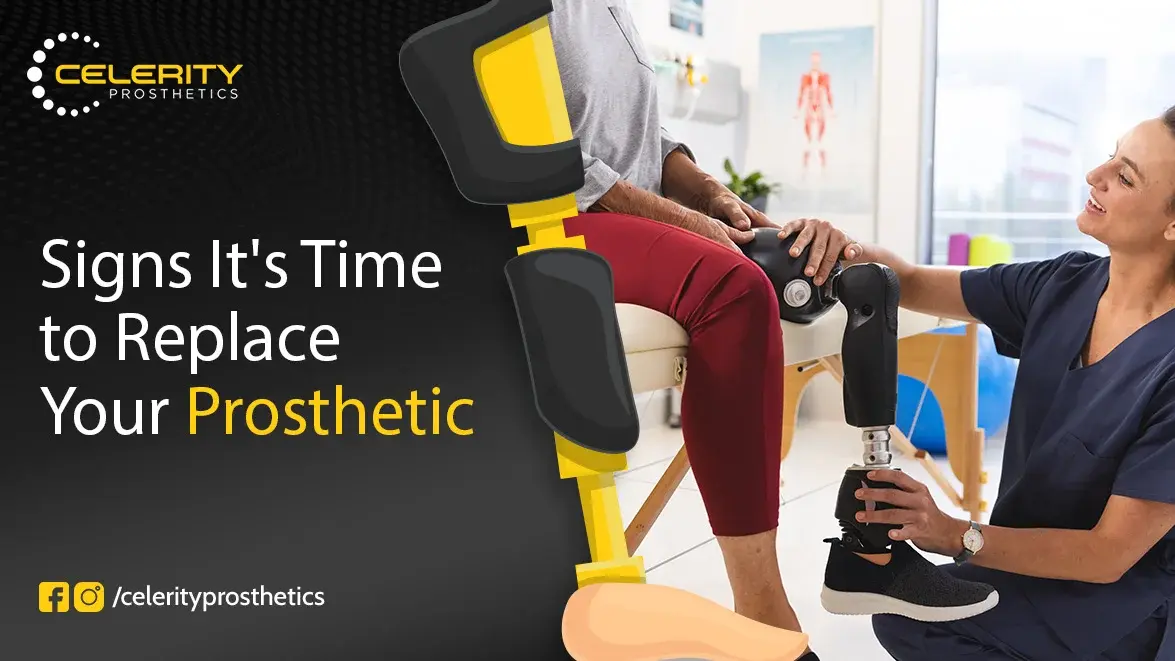
Prosthetic devices support daily movement, balance, and independence for individuals who rely on them after limb loss. They withstand regular use, but they are not permanent fixtures. Over time, materials wear down, body conditions change, and functional needs evolve. These factors affect how well a prosthetic performs and how safely it can be used.
Changes often occur gradually. A device that once felt stable may begin to feel different during routine activities. Small discomforts may become frequent. Performance may decline without obvious damage. Recognizing these shifts early reduces the risk of injury and helps maintain consistent mobility.
Knowing when replacement is necessary is part of long-term prosthetic care. Some issues can be corrected with adjustments, while others signal that the device has reached its limit. Understanding these distinctions will help you recognize common signs that it’s time to replace your prosthetic.
Common Signs to Replace Your Prosthetic
The requirement for replacement becomes evident through multiple indicators. The signs can show up either as single elements or complete sets. The assessment of comfort levels, together with performance metrics and physical responses, assists in identifying the point at which a device loses its capacity to function properly.
Pain
The persistent pain that fails to respond to treatment requires urgent attention. The body experiences mild soreness after prolonged use of the device, especially during times of heightened physical activity. Persistent pain is different. The most common cause of this condition involves problems with alignment, socket wear, and internal support system failures.
Pain develops through a gradual process that begins with just walking, standing, or weight transfer activities. As the prosthetic device fails to distribute pressure properly, discomfort becomes a regular part of daily activities.
Poor Fit
The body needs a secure fit in order to maintain essential balance and control. The user experiences lessened performance when the prosthetic device becomes loose, unbalanced, or excessively tight. The fit of prostheses changes because of three factors:, alterations in limb volume, material components losing strength, and extended time usage.
The presence of improper fitting leads to changes in walking patterns, which result in greater pressure being placed on the body’s joints. People who once completed tasks without difficulty now struggle because their balance has become unstable. This increases the risk of falls and decreases movement confidence.
Skin Issues
The presence of redness, blisters, and open sores, together with recurring irritation, shows that friction and pressure problems exist. These issues develop when a prosthetic device fails to function properly.
Skin damage will develop into more severe conditions when medical treatment is not administered. The risk of infection becomes more serious when irritation persists for an extended period, as it can lead to complete loss of prosthetic functionality. The most effective solution for recurring skin issues is a replacement rather than ongoing adjustments.
Physical Damage
Visible wear matters. Cracks in the socket, worn joints, or bent components compromise safety. Even minor damage can affect alignment and weight distribution.
Structural damage may not always be obvious at first. Changes in stability or sound during use may appear before visible failure. Once damage affects support, replacement becomes the safer option.
Loose Parts
Prosthetic components are designed to remain secure during movement. Screws, joints, and connectors should not loosen regularly. Frequent tightening is not a normal long-term behavior.
When parts loosen repeatedly, internal wear is often present. Continued use increases the risk of sudden failure during activity.
Low Performance
A noticeable decline in performance is a common sign. This condition manifests through three specific symptoms people experience. Activities that used to require minimal effort now present themselves as challenging tasks.
In some cases, performance issues result from an outdated design rather than damage. Newer prosthetics often offer improved stability, energy return, and control. When the current device limits activity, replacement may restore function.
Body Changes
Body composition does not remain static. Weight changes, muscle growth, or muscle loss alter how a prosthetic fits and functions. Posture and balance may also shift over time.
When the body changes beyond the adjustment range of the device, comfort and control decline. A replacement allows proper alignment with the current body structure.
Strange Noises
Sounds during movement should be minimal. Creaking, clicking, or squeaking often indicates internal wear or misalignment.
These noises usually appear before failure becomes visible. Ignoring them can lead to sudden mechanical issues during use.
Frequent Repairs
Occasional maintenance is expected. Repeated repairs are not. When repairs become routine, overall reliability decreases.
Short-term fixes may restore function temporarily, but do not address material fatigue. Replacement often becomes the safer and more practical solution.
Lifestyle Changes
Activity level influences prosthetic needs. Returning to work, starting exercise routines, or increasing daily movement places new demands on the device.
A prosthetic built for limited walking may not support higher-impact or extended use. Replacement allows the device to match current activity requirements.
Conclusion
Prosthetic devices support independence but are not designed to last indefinitely. Pain, poor fit, skin problems, structural damage, and declining performance are key indicators that replacement may be necessary. Regular evaluation and attention to physical feedback help prevent injury and maintain mobility. Recognizing that these signs indicate it’s time to replace your prosthetic device is critical to your long-term function and wellbeing.
For professional-grade prosthetic replacement procedures, check our Celerity Prosthetics for top-quality prosthetic work.
Frequently Asked Questions
How often do prosthetics need to be replaced?
The prosthetic system functions for three to five years, depending on user activities, residual limb changes, and advances in technology, but scheduled maintenance requires replacement or adjustment of its sockets and components.
What is the life expectancy of a prosthetic leg?
A prosthetic leg generally lasts 3 to 5 years for its main components, while most smaller parts, such as sockets and liners, require replacement or adjustment every 6 to 12 months according to their usage and fitting needs.
Are prosthetics worth it?
Yes. Prosthetics are worth it for many individuals because they restore mobility, independence, and the ability to perform daily activities. The right prosthetic can reduce physical strain, improve balance, support mental well-being, and enhance overall quality of life.