
Introduction
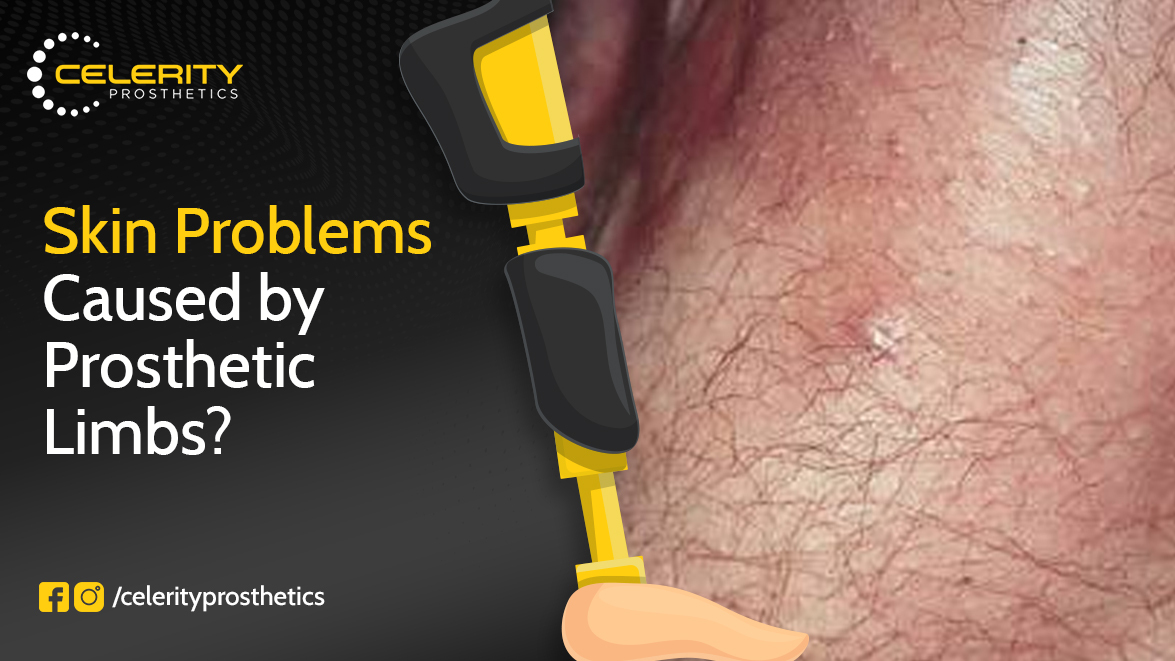
Wearing a prosthetic limb can put extra stress on the skin. That’s due to friction, pressure, sweat, and heat. Without proper care and a well-fitting socket, these factors can lead to irritation, rashes, blisters, and sores.
Quick Answer
The most common skin problems caused by prosthetic limbs include rashes, excessive sweating, friction blisters, pressure sores, infections, heat rash, calluses, ingrown hairs, and dry or cracked skin. Regular skin checks, good hygiene, moisture control, and proper socket fitting can help prevent these problems.
10 Common Skin Problems Caused by Prosthetic Limbs
Your skin was never built to live inside an airtight gel sleeve. Knowing what these ten common skin issues look like helps you act fast.
1. Contact Dermatitis and Allergic Reactions
Sometimes your skin may react to the materials that come into contact with it. Silicone liners, gel pads, adhesives, or even scented soaps can cause redness, itching, burning, or a rash.
If you are looking online for a prosthetist near me, book an appointment to talk about swapping materials. Switching out harsh cleaners for simple, scent-free soaps often fixes the problem right away. Rinsing your gear until the water runs completely clear keeps leftover chemical residue from eating at your skin all day long.
2. Excessive Sweating and Hyperhidrosis
A tight liner acts like a tiny greenhouse on your limb. Sweat pools at the bottom because it has nowhere to evaporate, making your top layer of skin soft, soggy and weak.
Once skin gets soggy, it tears like wet paper. Take brief breaks during the day to pull off your sleeve, wipe down your skin and let things dry out. You can also talk to your doctor about clinical-strength antiperspirants made specifically for amputees.
3. Friction Blisters and Rubbing Sores
If your socket sits too loose or twists around while you walk, it slides back and forth against your skin. That constant pulling creates deep, painful blisters over bony areas like your kneecap, shin, or elbow.
Visiting a certified prosthetist fixes this looseness quickly. They can add extra ply socks, adjust internal pads, or alter the socket shell so your limb stays firmly in place without sliding around.
4. Pressure Ulcers and Skin Breakdown
Your socket distributes your body weight across specific spots on your limb. But if you lose weight, gain weight, or lose muscle volume, those weight-bearing areas shift. Suddenly, hard bone digs straight into soft tissue.
When blood flow gets cut off by heavy pressure, skin dies and turns into a deep sore. If you take your leg off and see dark red or purple marks that do not go away after twenty minutes, do not put your leg back on until your socket gets adjusted.
5. Bacterial and Fungal Skin Infections
A warm, damp socket is basically a luxury resort for bacteria and fungi. A tiny scratch from fingernails or hair shaving can quickly turn into swollen pimples, infected hair follicles, or spreading red rashes.
If you use a prosthetic leg, hygiene isn’t optional. Wash your limb with a simple antibacterial soap every single evening. Clean the inside of your gel liner every day and let it dry inside out overnight.
6. Heat Rash and Blocked Pores
Trapping heat under thick gel layers blocks your sweat glands from venting. When sweat gets trapped beneath the skin surface, it creates tiny, itchy red bumps that sting whenever you put your socket back on.
Cooling down during work breaks helps a lot. Taking off your limb while sitting at your desk or watching TV lets fresh air reach your skin and clear out clogged pores.
7. Darkened Skin and Heavy Calluses
Months of continuous pressure and light rubbing can turn the skin on your residual limb dark, thick, and leathery. This change in color is your body’s attempt to build a shield against mechanical stress.
While dark skin patches don’t always hurt, they prove that a specific spot is taking way too much punishment. Having your clinician check your socket ensures your body weight gets spread out evenly instead of hammering one tiny area.
8. Bumpy Swelling at the Tip (Verrucous Hyperplasia)
If your limb doesn’t touch the very bottom of your socket, you leave an empty air pocket. That lack of contact causes blood and fluid to pool right at the bottom tip of your limb. Over time, the skin turns dark red, bumpy and rough, almost like a bunch of warts.
Whether you wear a prosthetic hand or a lower-limb device, getting full contact inside the socket is critical. Your specialist can drop in end-distal pads or fix your suspension system to push that trapped fluid out and smooth your skin back down.
9. Cysts and Ingrown Hairs
Socket pressure jams short hair stumps sideways back into your skin follicles. This creates painful ingrown hairs or hard, fluid-filled cysts that scream in pain every time you step down.
Stop shaving your residual limb right down to the skin, especially in the morning right before putting on your leg. Let the hair grow a little bit so it doesn’t get pushed into your pores and use warm compresses at night to drain tender bumps.
10. Dry, Flaky Cracks in the Skin
Washing your limb constantly, combined with a lack of fresh air, strips away every drop of natural oil your skin produces. When skin gets dry and flaky, it cracks open. Those tiny cracks give germs an easy front door into your bloodstream.
Put a basic, fragrance-free lotion on your limb every night right before bed. Never apply lotion in the morning right before pulling on your gel liner, otherwis you’ll slide around inside your socket all day and ruin your gel gear.
Daily Care Steps for Prosthetic Skin Health
| Routine Step | Action Required | Health Benefit |
| Morning Preparation | Inspect skin for red spots, dry completely, pull on clean liner | Catches early pressure marks and prevents bacterial growth |
| Mid-Day Check | Wipe sweat from limb, dry inner liner, adjust sock ply as needed | Maintains snug fit and stops moisture-driven chafing |
| Evening Care | Wash limb with gentle soap, clean liner interior, inspect pressure points | Removes sweat build-up and allows tissue to rest and recover |
| Nightly Treatment | Apply light moisturizer to clean skin, let gear air-dry completely | Restores skin hydration and prepares equipment for morning use |
Conclusion
Keeping your skin healthy is what keeps you walking and living your life. Wash your gear every day, keep a close eye out for dark red pressure marks, and don’t try to tough it out when a socket starts pinching. The moment a hot spot shows up, give your care team a call before a small rub turns into a massive problem.
Want a comfortable, pain-free fit that protects your skin day in and day out? Reach out to the team over at Celerity Prosthetics and book your socket consultation today!
Frequently Asked Questions
How long should red marks stay on my skin after taking off my limb?
Normal pressure marks should fade completely within fifteen to twenty minutes after taking off your leg or arm. If the redness stays locked in longer than that, hurts to touch, or turns dark purple, stop wearing your device and get your fit checked right away.
Can I put lotion on my leg right before pulling on my liner?
No, absolutely not. Slathering on lotion right before wearing your leg traps slippery grease inside the liner, breaks down the gel material and makes your device slide right off. Save all moisturizers for nighttime right before you go to sleep.