
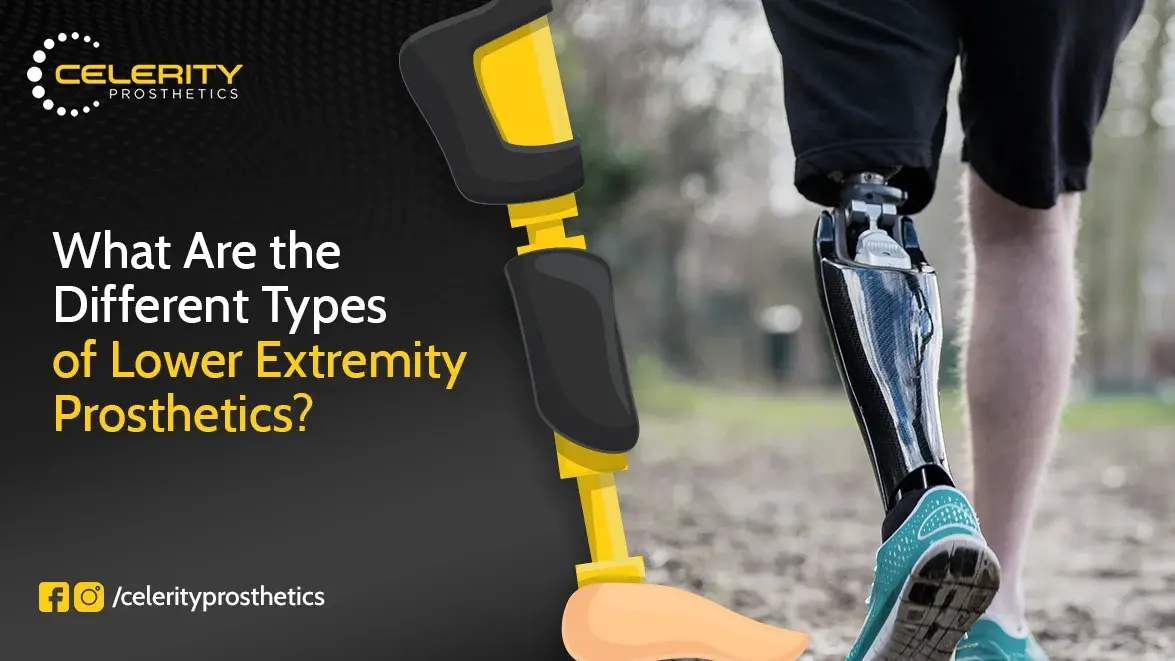
Lower extremity prosthetics include partial-foot, ankle-disarticulation, below-knee, knee-disarticulation, above-knee, hip-disarticulation, and hemipelvectomy devices. Each type of lower extremity prosthesis replaces a different portion of your missing limb. Your amputation level shapes the basic design, while your mobility goals influence its components. For example, someone retaining their knee needs different equipment than someone using a prosthetic knee. Specialized feet, sockets, and suspension systems add further choices. Understanding these differences helps you ask better questions during a fitting and consider options that suit your everyday routines, from walking around home to returning to work.
Key Takeaways
|
What Are Lower Extremity Prosthetics?
Lower extremity prosthetics replace missing portions of your foot or leg. These custom devices may support standing, walking, balance, and everyday activities. They can also help you participate in work or recreation.
Your amputation level determines the basic prosthetic category. However, individual components provide additional choices within that category. A below-knee prosthesis, for example, may use different prosthetic foot designs. Your prosthetist selects these components according to your physical needs and goals.
What Are the Main Types of Lower Extremity Prosthetics?
Lower-limb prostheses fall into seven main categories based on amputation level. Some replace only part of your foot, while others replace your entire leg. Understanding these differences helps you recognize which designs may suit your anatomy.
1. Partial-Foot Prosthetics
Partial-foot prosthetics replace missing toes or sections of your foot. They help distribute pressure and support balance during everyday activities. Your remaining foot structure determines which design may work for you.
Options include custom shoe inserts, toe fillers, and silicone prostheses. Some people benefit from carbon-fiber footplates or specialized ankle-foot braces. Your prosthetist considers your skin condition, remaining anatomy, and walking needs before recommending a solution.
2. Ankle Disarticulation Prosthetics
Ankle disarticulation prosthetics replace your missing ankle and foot. A common example involves a Syme amputation through the ankle joint. This procedure typically preserves the heel pad for end-bearing support.
Your prosthesis includes a custom socket and an artificial foot. The socket must accommodate your remaining limb’s shape and weight-bearing needs. Your prosthetist also considers foot positioning, stability, and available space for components.
3. Transtibial Prosthetics
Below-knee prosthetics replace the missing lower leg and foot. Because you retain your natural knee, you can use it while walking. This allows your prosthesis to work alongside your existing knee movement.
A typical device includes a custom socket, suspension system, pylon, and foot. The socket connects your residual limb to the prosthesis. Meanwhile, the suspension system helps keep everything securely positioned during movement. Your prosthetist can recommend different foot designs based on your activities.
4. Knee Disarticulation Prosthetics
Knee disarticulation prosthetics support individuals who have undergone amputation through the knee joint. Unlike above-knee amputation, this procedure preserves the full length of your femur.
Your prosthesis generally includes a custom socket, artificial knee, and prosthetic foot. The socket may allow weight-bearing through the end of your residual limb. However, the remaining limb’s shape creates specific fitting considerations. Your prosthetist must also account for knee positioning and overall leg length.
5. Transfemoral Prosthetics
Above-knee prosthetics replace your missing knee, lower leg, and foot. Since your natural knee is absent, your device requires an artificial joint. This component plays an important role in stability and movement.
Available options include mechanical and microprocessor-controlled knee systems. Your prosthetist considers your strength, balance, activity level, and mobility goals. For example, someone regularly navigating uneven surfaces may have different requirements than someone primarily walking indoors.
6. Hip Disarticulation Prosthetics
Hip disarticulation prosthetics replace your entire leg, including hip-joint function. This type supports individuals who have undergone amputation through the hip joint. The device typically includes a pelvic socket and artificial hip. It also requires prosthetic knee and foot components.
Because the prosthesis attaches around your pelvis, fitting requires careful attention. Balance, weight distribution, and rehabilitation also influence your ability to use it. Your care team evaluates whether this design suits your mobility goals.
7. Hemipelvectomy Prosthetics
Hemipelvectomy prosthetics support individuals missing a leg and part of their pelvis. This amputation level requires a more specialized prosthetic design.
A custom socket accommodates your remaining pelvic anatomy and provides support. Depending on your needs, the prosthesis may include artificial hip, knee, and foot components. However, not everyone benefits equally from this complex device. Your physical condition, rehabilitation goals, and personal preferences influence whether prosthetic use is appropriate.
What Are the Different Types of Prosthetic Knee and Foot Components?
Choosing a prosthetic category is only the beginning. Different knees and feet can provide different movement and support characteristics. These components aren’t separate amputation-level categories. Instead, your prosthetist combines appropriate parts to create a personalized device.
Prosthetic Foot and Ankle Options
Prosthetic feet vary in flexibility, stability, and energy return. Your activity level helps determine which design may suit you. A solid ankle cushioned heel (SACH) foot provides basic cushioning. Single-axis feet allow movement through one ankle joint. Meanwhile, multi-axis designs accommodate movement in several directions.
Dynamic-response feet store and release energy during walking. Some microprocessor-controlled systems adjust ankle positioning or resistance using sensors. Your prosthetist evaluates these features alongside your walking ability and daily activities.
Mechanical and Microprocessor-Controlled Knees
Prosthetic knees support movement and stability for individuals without their natural knee. Mechanical designs use different mechanisms to control bending and resistance.
Some incorporate hydraulic or pneumatic systems that regulate knee movement. Microprocessor-controlled knees use sensors and computerized controls to adjust resistance during walking.
These systems may offer additional support during certain activities or terrain changes. However, technology alone doesn’t determine which device suits your needs. Your prosthetist considers your functional abilities, rehabilitation goals, and clinical requirements.
Activity-Specific Prosthetic Legs
Everyday prosthetics don’t necessarily suit every recreational activity. Some individuals use specialized devices for running, swimming, or other sports. For example, a running blade uses a curved design for energy storage and return. Swimming prostheses use components designed for appropriate water exposure.
However, ordinary prosthetic components aren’t automatically waterproof. Always check your device’s specific water-resistance instructions. Your prosthetist can help determine whether specialized equipment supports your preferred activities.
How Do You Choose the Right Lower Extremity Prosthesis?
The right prosthesis should match your anatomy and everyday requirements. Your prosthetist begins by evaluating your physical condition and mobility goals.
Several factors influence which design may work for you. Your amputation level determines the basic device configuration. Meanwhile, residual-limb shape affects socket design and suspension options. Your activity level also guides component selection. Someone working long shifts may need different features than someone walking shorter distances. Other considerations include balance, strength, skin health, and rehabilitation needs. Insurance coverage and available funding may also affect component choices.
Discuss your daily routines openly during your evaluation. Explain whether you regularly climb stairs, navigate uneven ground, or enjoy sports. These details help your prosthetist recommend equipment that fits your actual needs.
Conclusion
Lower extremity prosthetics include seven main categories, ranging from partial-foot devices to hemipelvectomy prostheses. Your amputation level determines the basic design, while your mobility goals influence component selection. Different feet, knees, and specialized devices offer additional options for daily activities. However, finding the right prosthesis involves more than choosing advanced technology. Proper socket fitting, rehabilitation, and regular adjustments also matter. Your prosthetist can help you understand which features match your individual needs.
At Celerity Prosthetics, we provide personalized lower-limb evaluations, custom fittings, and ongoing prosthetic care. Contact us today to discuss your mobility goals and explore suitable prosthetic solutions.