
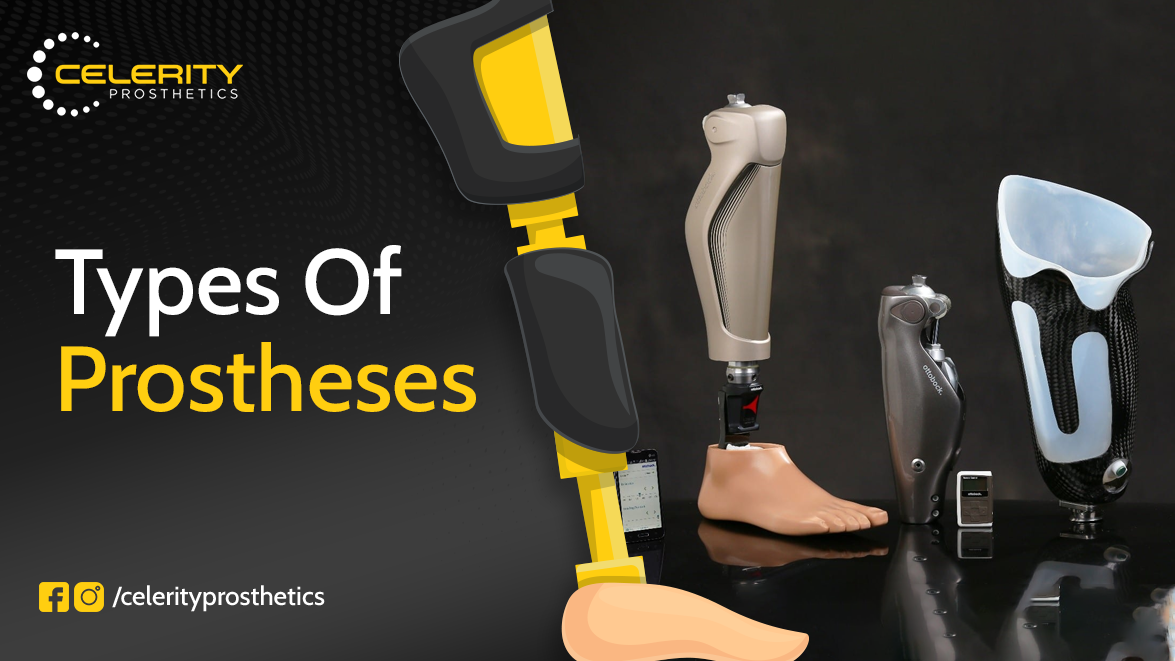
A prosthesis is an artificial limb that replaces a missing body part. It helps people or animals regain function, appearance, or support. So, you will find several types of prosthetics for humans and animals. In humans, prosthetics range from upper-limb devices (arms, hands) with different controls (body-powered, myoelectric, cosmetic), to lower-limb prostheses (below or above knee) built for walking, running, or swimming. Meanwhile, animals also receive both limb replacements and special prosthetic beaks, tails, or other appendages, all tailored to their species, weight, and movement needs.
Types of Human Prosthetics
Human prostheses differ based on which limb is gone, how much is gone, and what activities the user wants to do. In general, human prosthetics can be grouped into:
1. Upper Limb Prostheses
An upper limb prosthesis replaces all or part of an arm, hand, or fingers. Common subtypes and how they function include:
- Transradial (Below Elbow): Users wear this device just below the elbow. It replaces the forearm and hand.
- Transhumeral (Above Elbow): This prosthesis replaces the arm section above the elbow down to the hand.
- Partial Hand/Finger Prostheses: These replace only some fingers, part of the hand, or even a fingertip.
2. Controlled Prostheses
These prostheses also differ in how they are controlled or made to move:
- Body-Powered Prostheses: These use cables, straps, and the motion of other body parts (like the shoulder or opposite arm) to trigger movement. For example, moving the shoulder might pull a cable that opens or closes a “hook” device. They are simple, durable, and require less maintenance.
- Myoelectric Or Sensor-Controlled Prostheses: These use sensors (electrodes) placed on residual muscles. When the user contracts the muscles, the prosthesis picks up the electrical impulses and operates the device’s motors to control the movement. It provides more natural movement and less body movement.
- Passive/Cosmetic Prostheses: These do not provide active movement. They are made mainly for appearance or to provide a surface to stabilize objects (for example, helping hold a paper). Some users wear them to improve aesthetics or balance, rather than function.
3. Lower Limb Prostheses
Lower limb prosthetics replace parts of the legs—the foot, ankle, knee, or whole leg. The design depends on how much of the leg was lost and what the user wants to do. Below are key categories.
Transtibial (Below-Knee) Devices: These prostheses replace the portion from below the knee downwards. Types include:
- Conventional (Basic): A simpler, more rigid option, suitable for low-activity users.
- Exoskeletal: The structural “frame” is on the outside. It is robust but less adjustable.
- Endoskeletal: The support frame is internal (within housing). It allows more adjustment and is lighter. This is the more common kind.
- Dynamic Response: These use flexible materials (like carbon fiber) that bend and spring back, giving “push” during walking. They help users walk more naturally.
- Microprocessor-Controlled: These include sensors and a small computer that adjust real-time joint resistance. They can make walking safer and smoother.
- Adjustable Prostheses: Some designs allow the user or technician to change the alignment or length slightly, which can help with comfort over time.
Transfemoral (Above-Knee) Devices: These prostheses replace the part from the top of the knee to the foot. They tend to be more complex because they should incorporate a knee mechanism. Options include:
- Mechanical (Locking Or Weight-Activated Locks): The knee can lock when bearing weight, and unlock to swing freely when walking.
- Hydraulic/Pneumatic Knees: Use fluid pressure to control resistance, giving smoother motion.
- Microprocessor / Computer-Controlled Knees: These use sensors to detect walking speed, angle, and terrain and then dynamically change resistance. They help users walk more naturally, especially over uneven ground.
4. Adaptive / Activity-Specific Prostheses
Some prostheses are designed for particular tasks or environments. These include:
- Sports Prosthetics (Running Blades, Cycling Legs, Special Arms): These have optimized weight, flexibility, and strength to help in athletic movement.
- Waterproof/Aquatic Limbs: These are suitable for use in swimming or wet conditions. They are sealed against water damage or made with corrosion-resistant materials.
- Task-Specific Modifications: A prosthesis for rock climbing, one that holds tools (hammer, golf club), or a version for heavy lifting. These may adjust shape, grip points, or interface.
These adaptive models can be passive, body-powered, or sensor-driven depending on the activity’s needs.
Types of Animal Prosthetics
Prosthetics are not just for humans. Animals—pets, farm animals, and exotic species—also benefit from artificial limbs or appendages when they lose or lack body parts.
1. Limb Prosthetics for Animals
Within limb prosthetics, there are a few design principles:
- Front-Limb Vs. Rear-Limb Prosthetic Legs: The prosthesis must support the animal’s weight and movement needs based on whether it replaces a front or back leg.
- Partial Limb Prosthetics / Partial Support: Sometimes, only part of a limb is missing. A prosthesis can support the rest of the limb, rather than replacing the whole leg.
2. Other Types of Prosthetics for Animals
Beyond legs, animals may need:
- Prosthetic Beaks (For Birds): An artificial beak can enable feeding and preening when a bird loses or is born without a beak.
- Prosthetic Tails or Balance Appendages: Some animals need tails or fins to maintain balance or swimming function. Custom designs may restore that role.
- Other Custom Prosthetics: Prosthetic wings, claws, shells, or appendages of any other nature may also be provided per the species and need. All must be tailored individually by veterinary experts.
Conclusion
The types of prostheses span a wide spectrum—from simple cosmetic replacements to advanced sensor-driven limbs. Human prosthetics may replace the arm, leg, hand, or foot. They can vary in level (below or above joints) and movement (body-powered, sensor-controlled, or cosmetic). Adaptive human limbs may assist in walking, running, swimming, or special activities.
There are also animal prostheses, such as those for restoring the missing limbs of household or farm animals. Special custom devices resembling beaks, tails, or shells help exotic animals restore balance or feeding ability. Both human and animal prosthetics restore function, appearance, and mobility in daily life. Contact Celerity Prosthetics today to schedule a consultation.