
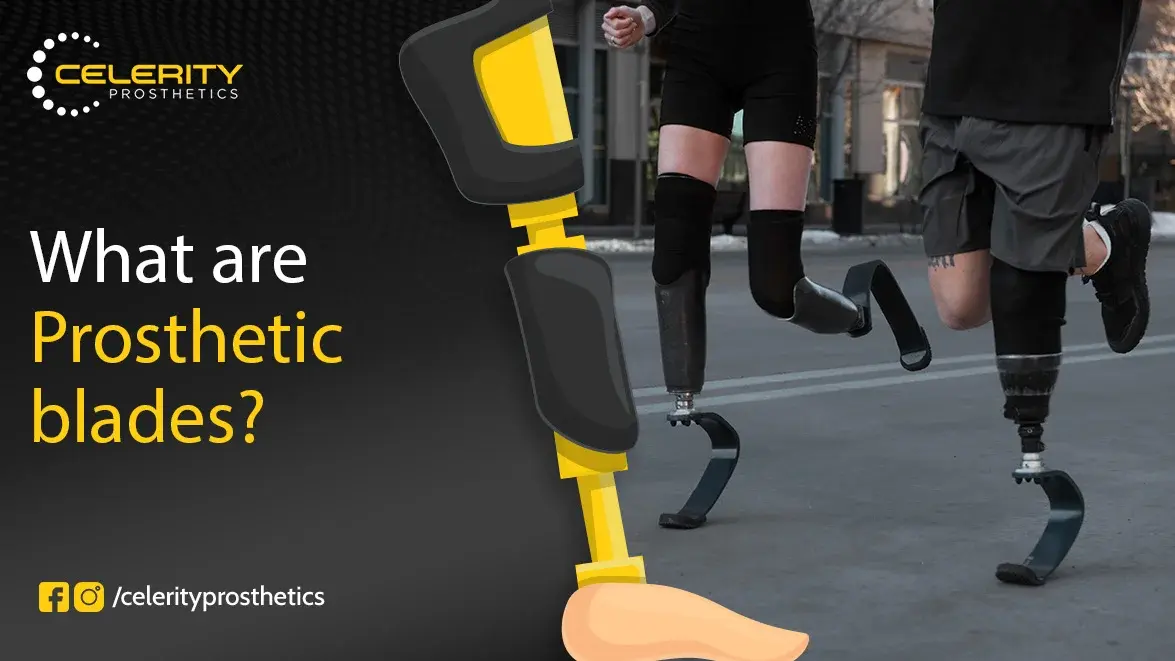
Prosthetic blades are artificial limbs designed for movement rather than simple support. These devices have changed the way athletes and active individuals move, especially when higher levels of speed, balance, or energy use are needed. Traditional prosthetics are usually shaped like a leg and foot, but blades take a different approach. They are built to capture and release energy in a controlled way, giving motion that more closely resembles active use.
Blades are often used in sports, competitive events, and tasks that require quick bursts of strength or long periods of motion. They are made from materials that allow strength with low weight, enabling a balance of support and efficiency. In their varied forms, prosthetic blades serve a wide range of needs. Understanding how each type works helps users and clinicians select the best option for specific activities. This practical insight helps in understanding prosthetic blades in real terms.
Understanding Prosthetic Blades
The prosthetic blade functions as a complete limb replacement that enables users to move rather than just replace their lost limb. The blade design uses its curved shape to capture energy when the user applies weight to it and then releases that energy to assist with the following step. The prosthetic provides more effective movement patterns because of this particular feature, which distinguishes it from standard prosthetic devices.
The devices exhibit different sizes and stiffness characteristics, which make them unsuitable for universal application. The design is modified based on three factors: the user’s body weight, activity level, and performance objectives. A blade for sprinting will differ greatly from one intended for hiking or everyday walking. Professional athletes use blades as their main equipment, but recreational users also apply them during non-competitive activities to improve their walking abilities.
Blades allow users to perform repetitive tasks with less physical exertion. The technology alters energy distribution during walking, which results in reduced fatigue for users while enhancing their overall movement abilities. Some users experience improved endurance through this technology, while others gain access to activities that they would find challenging to complete.
Types of Prosthetic Blades
Different blades fit different purposes. Some are aimed at speed, some at long distances, and others at varied terrain or specific athletic work. Each blade type serves a distinct purpose. The right choice depends on activity level, performance needs, and the environments in which the blade will be used. Below are the common categories:
- Sprint Blades: Designed for ultra-fast takeoff with superb energy return and virtually no ground contact. Ideal for quick, short durations of movement.
- Everyday Blades: Calibrated for day-to-day application. This category gives up some of the peak performance for comfort.
- Sports Blades: Customized for supporting actions, which are characteristic of sports or similar situations, including sudden starts, stops, and changes of direction.
- Trail Blades: They provide better traction and increased stability on irregular terrain, such as dirt tracks or hiking paths.
- Jumping Blades: They are centered on impact absorption and assisting with vertical or long horizontal jumps.
- The Endurance Blades: They perform better over extended distances because their design includes features that reduce energy loss over time.
- The Carbon Fiber: These blades use a combination of lightweight and durable materials to create a design that supports multiple activities through their reliable strength and flexible performance.
- The Adjustable Blades: They provide two different settings that users can select to achieve their preferred level of blade stiffness or blade position.
- Custom Blades: They are designed specifically for the customer’s body size, biomechanics, and lifestyle, and, thus, are the best-fitting ones.
- Double Leg Blades: They are for people with bilateral amputations so that the energy return and balance are the same for both limbs.
Benefits of Prosthetic Blades
Prosthetic blades offer several key advantages, especially for users with active lifestyles or athletic goals. These benefits include:
- Faster running from curved design capture and return energy, often leading to quicker stride recovery and speed.
- Reduced effort with repeated motions as energy boost blades return more of the energy put into them.
- Made from composite materials like carbon fiber, which makes them more convenient for users who need to carry their equipment during extended periods of activity.
- Designed to enable athletes to make quick directional changes, which helps them perform better in multiple sports.
- Exceptional construction to prevent shape distortion and operational failure resulting from continuous use.
- Custom body fitting to help users maintain proper body alignment while they move.
- A system that allows muscles to perform with less effort during extended activity periods.
- Effective functioning during intense activities, which often would cause regular prosthetic devices to experience faster damage.
These advantages contribute to improved overall mobility. The impact is not limited to athletic performance; many users experience easier daily motion and less effort during routine tasks.
Conclusion
Prosthetic blades are purpose-built tools that make specific forms of movement easier and more efficient. Their benefits include greater speed, energy efficiency, durability, and a fit tailored to individual use. Remaining informed about their features and roles allows users to select options that improve both comfort and function, underlining what prosthetic blades are in a practical, real-world sense.
For clear insights on what prosthetic blades are and how they work, you can reach out to Celerity Prosthetics for professional help.
Frequently Asked Questions
What metal is used in prosthetics?
The manufacturers of prosthetics select titanium, aluminum, and stainless steel as their primary materials because these metals offer both lightweight benefits and substantial strength, corrosion resistance, and biocompatibility, as well as extended product lifespan.
Are prosthetic blades faster?
Prosthetic running blades deliver sprint energy return and improved efficiency. However, their use does not result in faster athletic performance because training methods, strength development, balance skills, body movement, and physical fitness determine athletic performance results.