
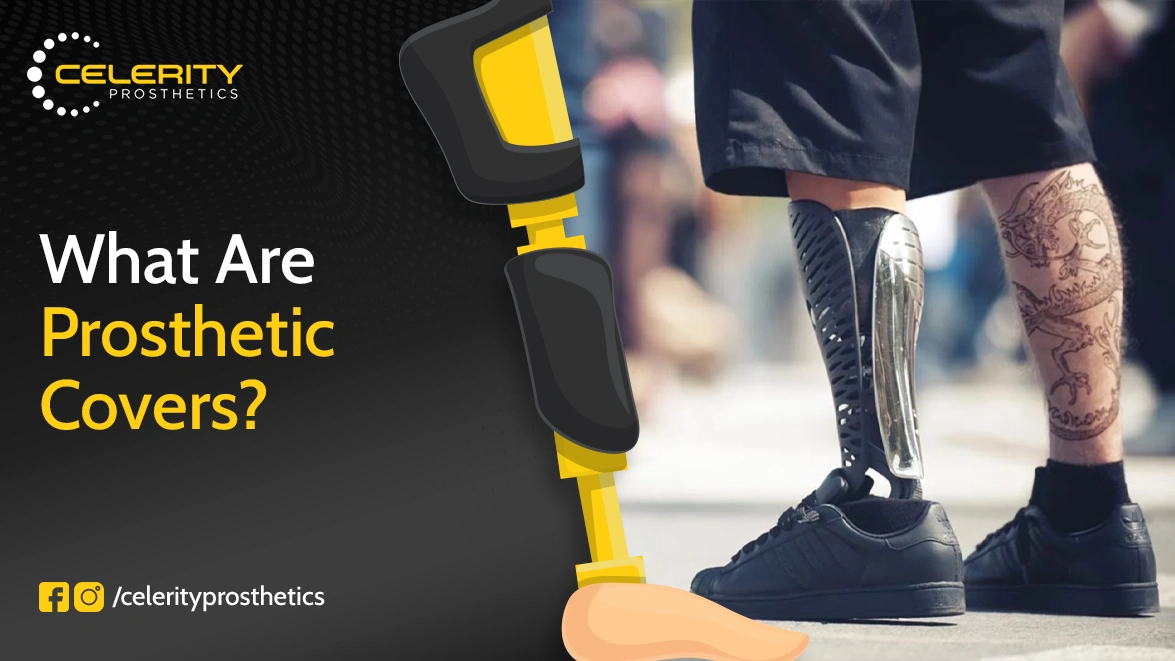
If you’ve ever seen a prosthetic limb without a cover, you probably noticed the straight lines, the metal joints, and the cool temperature of the materials. There’s nothing wrong with how it works, of course, but living with something that looks and feels like raw machinery isn’t always ideal. That’s where understanding what prosthetic covers are becomes helpful.
A prosthetic cover is essentially the outer shell that fits over the limb’s mechanical frame, providing it with shape, comfort, and a more familiar appearance. They soften what’s underneath and change how the prosthesis looks, how it moves against your clothes, and how you feel when you walk out the door. The difference can be subtle, such as the quiet way a cover prevents fabric from catching, or it can be significant, like finally feeling comfortable in shorts again.
Understanding Prosthetic Covers
A prosthetic cover is a removable outer layer that slides over the structural components of a prosthetic limb. It gives the limb its final shape and creates a more comfortable surface. The interior typically adheres to the mechanical frame, while the exterior varies depending on the design.
Some feel smooth like silicone; others feel firm and slightly textured, similar to high-density foam. These covers protect the prosthesis from everyday wear and help clothing glide more easily over the limb. Before we get into the different types, this is a good moment to note that covers aren’t required for function. They simply enhance the experience of wearing the prosthetic.
Types of Prosthetic Covers
Every cover works differently, and each type has its own feel and purpose. Here’s a closer look at the three main groups.
1. Cosmetic Covers
Cosmetic covers focus on appearance and can get surprisingly close to real skin. Silicone versions often have a smooth feel with a slight elasticity when you press them, almost like soft tissue. Many people like the quiet confidence that comes from a prosthetic that blends in with their natural shape.
These covers can match skin tone, freckles, undertones, or small surface textures so your prosthesis feels more like your own. They’re especially popular for everyday wear, work settings, or times when you want the prosthesis to be discreet.
2. Protective Covers
Protective covers are built for people who move a lot. When you pick one up, it feels sturdy, like a well-made phone case or a grippy rubber handle. These covers are ideal if you’re active outdoors or if your daily routine involves unpredictable surfaces and situations.
They guard the prosthesis from dirt, drops, moisture, and physical stress. It’s the kind of cover you don’t think twice about because you know it can handle whatever comes its way. Athletes, hikers, gardeners, and anyone with a high-movement lifestyle usually trust these the most.
3. Functional Covers
Functional covers help with movement. They’re not necessarily pretty or rugged, but they change how the prosthesis behaves. Maybe you need more balance for long walks. Maybe you need a bit of weight on one side to steady your stride.
You can actually feel the difference when you hold one — the weight is intentional, placed where it will do the most good. These covers are great if you rely heavily on your prosthetic for motion-heavy activities or if stability is something you want more control over.
Benefits of Prosthetic Covers
Here’s what a cover actually does for you once it’s on.
- Aesthetic enhancement: Your prosthetic blends more naturally with your body and clothing, making it less noticeable and more personal.
- Comfort: Covers soften the contact between your skin and the prosthesis, reducing rubbing, pressure, and those small irritations that build up.
- Protection: Your prosthesis stays safe from bumps, moisture, debris, and accidental scrapes, which helps it last longer.
- Confidence boost: When the limb feels right and looks right, it’s easier to move through your day without second-guessing anything.
How to Choose the Right Cover
Choosing a cover is easier when you think about how you live, not just how the prosthesis looks.
- Material: Silicone feels like skin and is flexible. Foam is soft and cushioned. Rubber or plastic is best for durability.
- Fit: A proper fit shouldn’t shift or twist. It should feel secure without squeezing or pinching.
- Activity level: More active lifestyles usually benefit from protective or functional covers. Casual routines may lean toward cosmetic ones.
- Customization: Colors, shapes, textures, patterns, pick what feels like “you,” not what feels like a medical default.
Most people figure out what they need after picturing a normal week. Do you get outside a lot? Do you sit at a desk? Do you carry things, bump into corners, walk long distances, or just want your prosthetic to look more like part of your body? Answering those questions makes the decision clearer.
Conclusion
Once you understand what prosthetic covers are – the outer layers that slip over a prosthetic limb to add shape, comfort, and a more natural feel – the whole process of choosing one becomes much simpler. These covers change the feel, shape, and protection of your prosthetic limb, but more importantly, they change how you feel with it on.
Some people want something natural and soft. Others need something tough enough to keep up with their routine. And some want a little extra performance built right in. At Celerity Prosthetics, we help you determine the type, fit, and feel that match your lifestyle.