
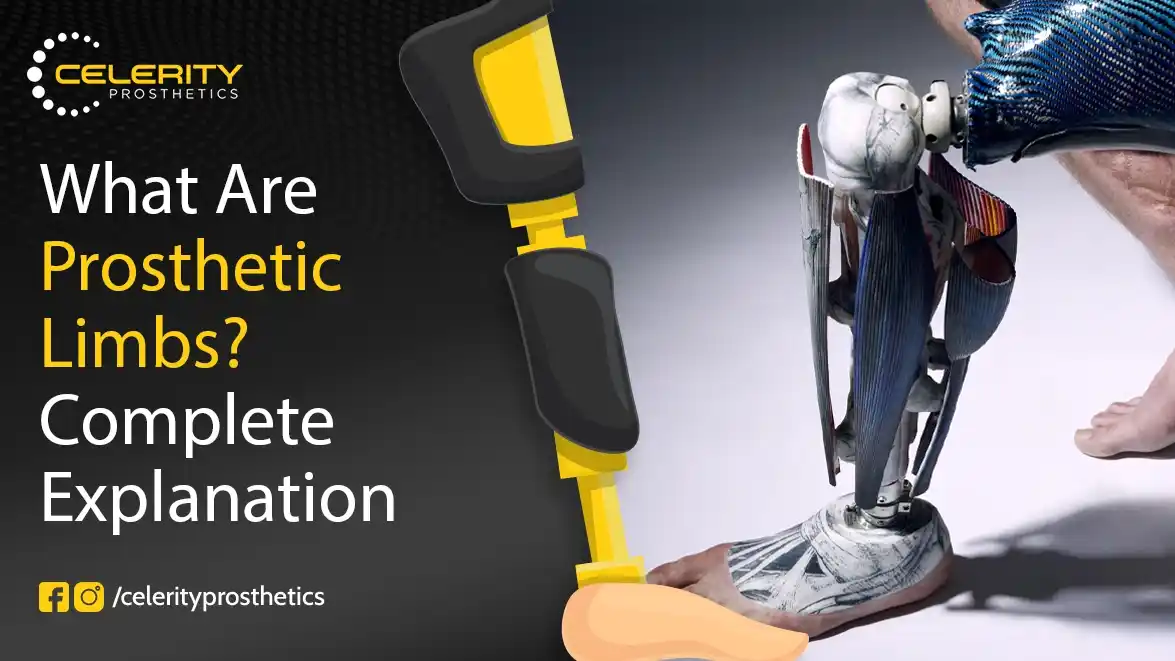
Prosthetic limbs are custom-designed devices that restore mobility and function, helping individuals move and live more like they did with their natural limbs. Prosthetic devices have important components, including a socket (which comprises the top of the prosthesis and conforms to the human body), a control mechanism, and a suspension system. They also feature joints (knee or ankle joints), including shock-absorbing properties to ensure comfort and functionality.
There are numerous kinds of prosthetic limbs, transradial, transhumeral, transtibial, and transfemoral prostheses are the main ones. Their objectives are different depending on the point of amputation and user needs. Furthermore, modern prosthetics have many advantages, including reestablishing balance, minimizing pressure on residual limbs, and promoting a better quality of life. Thanks to advancements in materials, technology, and a deeper understanding of prosthetic design, users can now go about their daily routines with greater ease and confidence.
What Are Prosthetic Limbs?
Are you wondering what are prosthetic limbs and who needs it? A prosthetic limb is an artificial device that replaces a missing arm, hand, leg, or foot to restore function. They work by simulating the activity of natural limbs through mechanical, myoelectric, or computerized control systems.
What are the Parts of Prosthetic Limbs?
The purpose of prosthetics is to mimic how natural limbs work, allowing individuals to regain movement and the ability to complete daily activities. These consist of different key components:
- Socket: A custom-molded piece that fits snugly around the residual limb, ensuring comfort and proper weight distribution. It is the primary interface between the body and the prosthetic.
- Suspension System: This holds the prosthetic limb in position and prevents it from sliding or slipping off the limb. Suspension systems, such as suction, vacuum systems, straps, or gel liners, offer a secure fit.
- Joints Mechanisms: These allow natural movement and flexibility, with advanced models using microprocessors for smoother motion. Some prosthetics have hydraulic joints or microprocessor-controlled joints for natural movement.
- Upper Extremity Control System: The control system facilitates the movement of the prosthetic. It can be body-powered, using cables and harnesses to operate, or myoelectric, whereby electrical signals from muscles control the limb. More advanced models use microprocessors for enhanced precision and speed.
The prosthetic limb structure normally consists of light but robust materials like carbon fiber, titanium, or plastic. These materials make them strong and comfortable for all-day use.
Types of Prosthetic Limbs
There are many different types of prosthetic limbs designed depending on the level of limb loss and the individual needs:
- Transradial Prosthesis: Designed for those who have lost a forearm and hand, these prosthetics provide gripping and even hand functionality, enabling users to perform daily tasks.
- Transhumeral Prosthesis: Replaces the entire arm, going above the elbow. These commonly have elbow joints, for greater flexibility and movement.
- Transtibial Prosthesis: For below-the-knee amputations. It gives stability and mobility, as well as a more natural gait.
- Transfemoral Prosthesis: An artificial limb that replaces the entire leg above the knee. Since it lacks a natural knee joint, it often features a mechanical or computerized knee for improved movement and stability.
- Myoelectric Prosthetics: Some of the newest types of prosthetics include myoelectric prosthetics. Myoelectric prosthetics use electrical signals from the user’s muscles to control movement, allowing for more natural motion and improved control. Their enhanced dexterity and functionality make them especially effective for arm and hand prosthetic solutions.
Benefits of Prosthetic Limbs
The following are some common benefits of prosthetic limbs, leading to a better quality of life:
- Restores Mobility and Independence: Enables patients to walk, run, or perform activities again more comfortably.
- Improves Quality of Life and Builds Confidence: Allows users to be social and work-oriented, helping boost self-confidence and positive mental health.
- Offers Better Balance and Posture: A properly fitted prosthetic limb aids in the alignment of the body, thus minimizing the strain on other limbs and joints.
- Supports an Active Lifestyle: Advanced prosthetics accommodate a range of lifestyles, letting users enjoy different exercises and even competitive sports.
Who Needs a Prosthetic Leg?
People with leg loss due to injury, illness, birth defects, or amputation need a prosthetic leg to stay active in daily life.
How Long Does it Take to Get Used to a Prosthetic Leg?
Most people, through therapy and practice, develop adjustment after a few weeks to months. This adaptation period varies according to physical fitness, limb conditions, and the style of prosthesis they are using.
How Difficult is it to Walk on a Prosthetic Leg?
Walking can be challenging at first. It takes time to find balance and let your muscles adjust. With training, most users develop confidence and mobility over time.
Conclusion
Following an amputation, prosthetic limbs can play a vital role in helping individuals regain mobility, independence, and confidence. These devices are made up of key components like sockets, suspension systems, and control mechanisms that work together to support balance and movement.
Common types include upper and lower limb prosthetics—such as transradial, transhumeral, transtibial, and transfemoral—each designed to meet the unique needs of different users.
Today’s advanced prosthetic designs not only improve mobility but also support better posture, reduce physical strain, and make everyday activities more manageable. Finding the right fit can truly enhance your lifestyle.
At Celerity Prosthetics, we’re proud to be a trusted provider of high-quality prosthetic care, offering solutions that prioritize comfort, function, and long-term durability.