
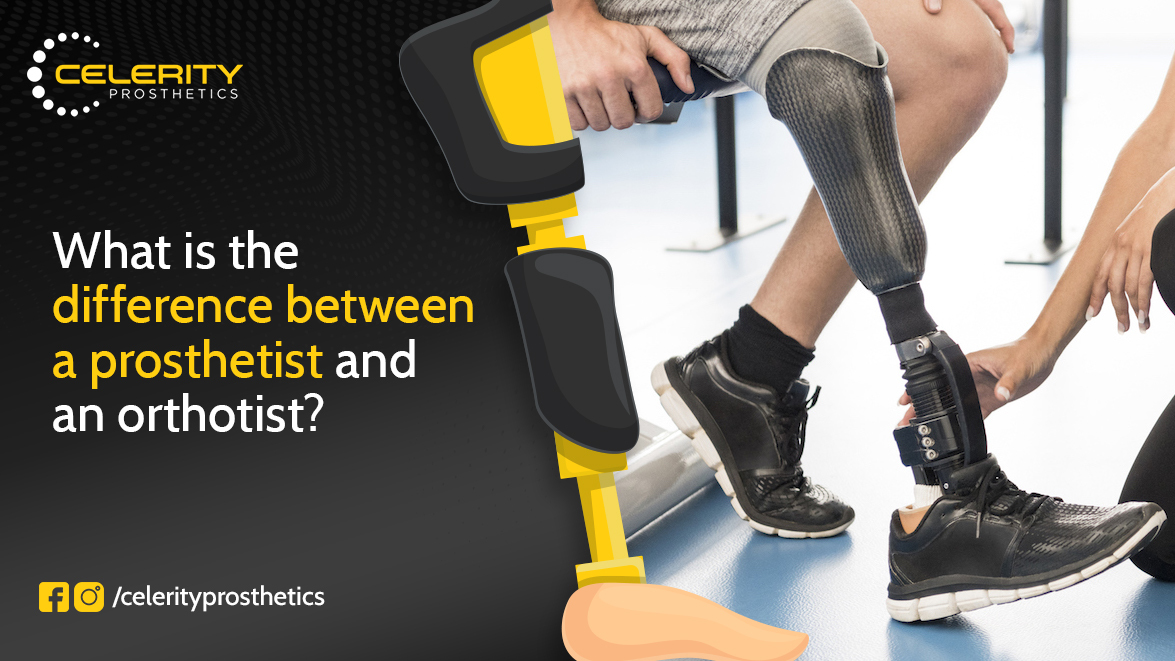
A prosthetist replaces missing limbs, while an orthotist supports existing body structures. Both professionals help people function more safely and comfortably in daily life. However, their devices solve different physical problems and require specialized clinical skills. Knowing which professional you need can prevent confusion during your care journey. It also clarifies how braces, artificial limbs, fittings, adjustments, and rehabilitation work together.
Key Takeaways
|
Prosthetist vs Orthotist: Key Differences at a Glance
| Area | Orthotist | Prosthetic professional |
| Primary role | Supports existing anatomy | Replaces missing anatomy |
| Main device | Orthosis | Prosthesis |
| Main goals | Stability, alignment, protection | Function, mobility, independence |
| Examples | Braces, AFOs, spinal supports | Artificial legs, feet, arms, hands |
The core difference remains support versus replacement of body anatomy.
What Does an Orthotist Do?
An orthotist evaluates how muscles, joints, bones, and nerves affect movement. They select, design, fit, and adjust devices providing support or positioning. Unlike a prosthetist, their work generally involves body structures still present. Their care aims to improve stability, alignment, protection, and function.
What Types of Devices Does an Orthotist Provide?
Orthotic devices range from small inserts to extensive leg bracing systems. Your anatomy, strength, diagnosis, movement, and lifestyle influence device selection.
Common orthoses include:
- Ankle-foot orthoses: Support ankle positioning and improve foot control during walking.
- Knee-ankle-foot orthoses: Stabilize several joints when greater movement control becomes necessary.
- Knee braces: Protect unstable joints or guide movement during recovery.
- Spinal orthoses: Support the trunk or restrict selected spinal movements.
- Wrist-hand orthoses: Position weakened joints while supporting functional hand use.
- Custom foot orthoses: Redistribute pressure and influence foot mechanics during movement.
Some devices are custom-made while others use prefabricated designs. Proper fitting matters because alignment directly affects comfort.
What Conditions Can an Orthotist Help Manage?
Orthotic care supports temporary injuries and many long-term movement difficulties. These devices manage function rather than curing the underlying condition.
An orthotist may help with:
- Stroke-related weakness affecting walking, balance, or joint control.
- Cerebral palsy and neurological conditions influencing muscle control.
- Joint instability caused by weakness, injury, or structural differences.
- Certain spinal conditions requiring controlled support or positioning.
- Foot and ankle problems affecting alignment or pressure distribution.
- Recovery following fractures, injuries, or surgical procedures.
- Congenital differences affecting limb position, movement, or stability.
People sharing one diagnosis may still need different devices. Strength, flexibility, skin health, and goals shape recommendations.
What Does a Prosthetist Do?
This clinician supports people living with limb loss or limb differences. They assess anatomy, movement, lifestyle, and goals before planning prosthetic treatment. Their responsibilities include socket design, component selection, fitting, alignment, education, and adjustments. Follow-up care helps accommodate physical and functional changes over time.
What Types of Prostheses Does a Prosthetist Fit?
Prostheses differ because limb absence occurs at several anatomical levels. Your strength, activities, anatomy, and priorities guide the final configuration.
Lower-limb options can include:
- Partial-foot systems designed around remaining anatomy and functional demands.
- Below-knee systems combining sockets, suspension, connectors, and specialized feet.
- Above-knee systems incorporating knee components for controlled movement.
- Higher-level systems addressing extensive limb absence and complex mobility needs.
Upper-limb options include finger, partial-hand, below-elbow, and above-elbow systems. A prosthetic hand can prioritize function, appearance, specific tasks, or combined goals.
Body-powered systems use cables and body movements for control. Myoelectric systems use muscle signals to operate compatible powered components.
Who Might Need to See a Prosthetist?
Specialized limb care can begin before amputation or years afterward. New users need evaluation, education, fitting, and gradual device training.
You may need specialized care following:
- Limb loss caused by trauma, infection, disease, or surgery.
- A congenital limb difference affecting everyday functional activities.
- Changes in residual-limb shape, weight, strength, or activity.
- Skin irritation, discomfort, instability, or poor socket fit.
- Component wear affecting safety, comfort, or device performance.
- New work, recreation, sports, or demanding mobility goals.
- Childhood growth that changes fitting, alignment, and component requirements.
Someone searching for prosthetic rehabilitation near me may also need physical therapy. Therapists complement device care through structured movement training.
How Are Orthotists and Prosthetists Similar?
Their devices differ, yet both professions share important patient-care responsibilities. They evaluate anatomy, movement, health, goals, and everyday challenges before recommending solutions. Both measure carefully, check fit, teach safe use, and monitor outcomes. They also modify devices whenever bodies, activities, or priorities change.
Do Orthotists and Prosthetists Design and Make the Devices Themselves?
These clinicians can design devices, select components, take measurements, and make modifications. However, they may not personally complete every fabrication stage themselves. Skilled technicians or specialized laboratories can assist with manufacturing. Their clinical responsibility continues after the final fabrication process. The treating clinician still verifies fit, alignment, comfort, function, and clinical suitability.
Can Someone Be Both an Orthotist and a Prosthetist?
Yes, some clinicians complete education and certification programs that cover both professional disciplines. In the United States, qualified practitioners can hold dual professional credentials. This pathway supports both orthotic and prosthetic patient needs. Their training covers important assessment principles across both areas. Clinicians must still follow relevant credentialing standards and licensing requirements.
Orthosis vs Prosthesis: What Is the Difference Between the Devices?
An orthosis works alongside body anatomy that remains physically present. A prosthesis replaces anatomy that is absent or significantly missing. This distinction shapes each device’s purpose, fitting, and daily use.
Consider these practical differences:
- An orthosis supports existing anatomy during movement or positioning. An ankle-foot brace can stabilize weak ankle control during walking.
- A prosthesis replaces anatomy that is no longer present. A below-knee system replaces structures missing after lower-leg amputation.
- Orthoses can influence alignment and controlled joint movement. Selected designs may redistribute pressure across sensitive areas.
- Prostheses can restore useful functional abilities during everyday activities. Components may support standing, walking, grasping, or activity-specific movements.
- Both device types require individualized fitting and adjustment. Poor pressure distribution can reduce comfort and consistent use.
Technology alone never guarantees the best outcome for everyone. Strength, balance, daily activities, and personal goals remain important. Advanced components perform poorly when alignment or fit becomes unsuitable.
When Should You See an Orthotist Instead of a Prosthetist?
Choosing correctly becomes easier when you identify support or replacement needs.
Consider orthotic care when you:
- Still have the affected limb but need greater stability.
- Need bracing for protection, positioning, alignment, or controlled movement.
- Have muscle weakness that changes normal joint control.
- Live with neurological conditions affecting balance or movement.
- Need spinal, knee, ankle, wrist, or hand support.
When missing anatomy needs replacement, prosthetic care becomes more appropriate.
What Happens During an Appointment With an Orthotist or Prosthetist?
Most appointments follow a structured assessment and fitting process.
You can generally expect:
- Discussion: You describe your health history, activities, difficulties, and goals.
- Assessment: The clinician examines anatomy, skin, movement, strength, and limitations.
- Measurements: Casting, measurements, impressions, or scanning may capture body shape.
- Planning: Device choices reflect comfort, function, medical needs, and activities.
- Fitting: The clinician checks pressure, alignment, stability, suspension, and movement.
- Education: You learn safe use, cleaning, skin checks, and maintenance.
- Follow-up: Later visits allow adjustments when fit or function changes.
A prosthetic clinic may schedule several visits before finalizing fit.
Are Orthotists and Prosthetists Doctors?
No, these specialists are allied healthcare professionals rather than medical doctors. Current United States preparation includes graduate education and supervised clinical training. Professional certification also requires meeting established competency standards. They often collaborate with physicians, surgeons, therapists, and rehabilitation professionals. This teamwork coordinates medical recovery, device use, mobility training, and long-term goals.
Conclusion
The difference becomes clearer when you focus on support versus replacement. Orthotic professionals help existing body structures work safely and efficiently. Prosthetic specialists replace missing anatomy using individually fitted artificial devices. Both fields require careful assessment, skilled fitting, education, adjustments, and follow-up. Your anatomy, condition, comfort, mobility, and daily goals determine appropriate care. Choosing the correct specialist helps you receive care matching those needs.
When limb loss changes your movement, work, or favorite activities, personalized support matters. Contact Celerity Prosthetics for individualized evaluation and custom fitting. Their team provides practical adjustments and continued mobility support.