
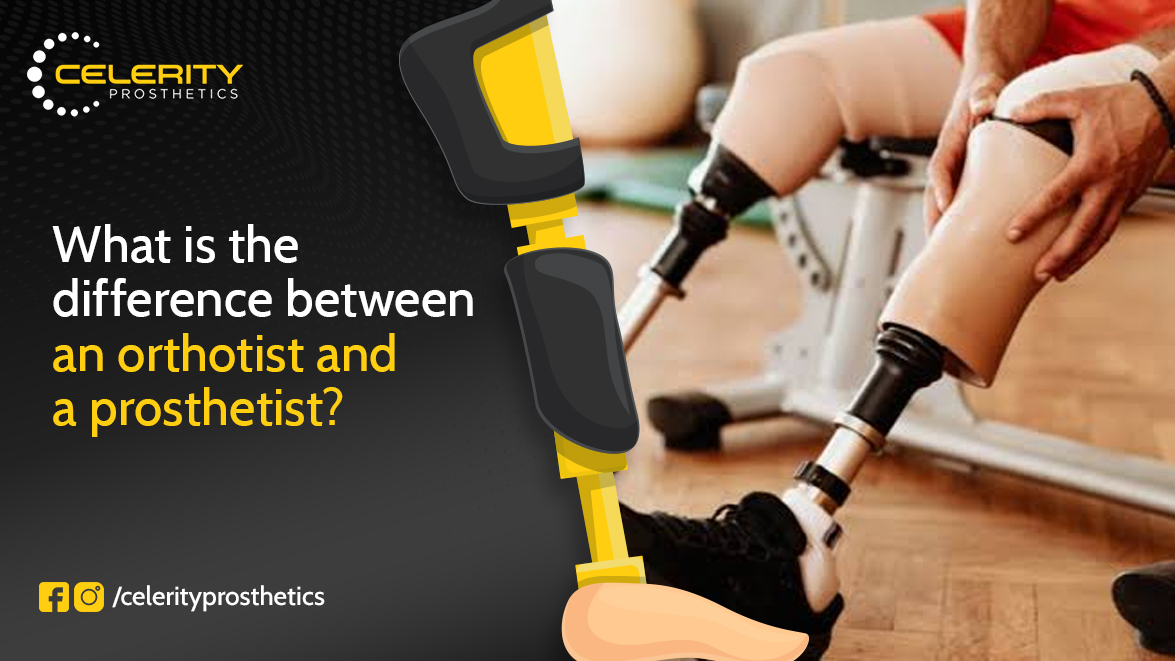
An orthotist braces a limb that is still attached. A prosthetist builds a replacement when part of that limb is missing. Mix up the names and you waste weeks in the wrong waiting room. So, ask one clear question before you book any visit. Is the painful body part still attached to you? If it hurts, buckles, or needs guiding, start with orthotic care. If a segment is gone, you need a custom socket, knee, or foot from a prosthetist. Their tools are not interchangeable in any useful way, so make sure to accurately match the problem to the device.
Key Takeaways
|
Orthotist vs. Prosthetist: What Is the Main Difference?
Is the limb still there or is part of it gone? That one fact indicates the specialist you need. Scan this snapshot before you book the right visit. It shows who treats what in plain language.
| Point | Orthotist | Prosthetist |
| Job | Support a part you still have | Replace a missing limb |
| Device | Orthosis | Prosthesis |
| Patients | Weakness, injury, or deformity | Amputation or limb difference |
| Examples | AFOs, spinal braces, insoles | Below-knee, above-knee, hip-level limbs |
| Goal | Ease pain and guide motion | Restore standing and walking |
| Credential | CO | CP or CPO |
What Does an Orthotist Do?
Sore knees and weak ankles still belong to you. An orthotist observes how you stand and how you load each joint. Then they build a support to steady motion or ease pain. Your own limb stays put while the brace changes daily movement.
What Types of Orthoses Does an Orthotist Fit?
Orthotic hardware ranges from slim insoles to tall leg frames. Your clinician matches each design to the joint that needs help.
- Custom foot orthoses distribute pressure and maintain proper alignment inside your shoes.
- SMOs hug the ankle when the foot rolls in or out.
- Ankle-foot orthoses lift a dropping foot after stroke or nerve injury.
- Knee braces and longer KAFOs guide a wobbly knee through the stance phase.
- Spinal braces hold a healing back or guide a growing curve.
- Cranial helmets gently reshape an infant’s still-soft skull.
Most custom pieces start from a cast, a foam impression, or a digital scan. A new brace should not be worn all day on day one.
What Conditions Can an Orthotist Help Manage?
Orthotists step in when an existing body part hurts, weakens, or becomes unstable. They change how the part behaves rather than replacing it.
- Knee arthritis and torn ligaments can leave a joint that buckles on stairs.
- Plantar fasciitis and flat feet often need pressure lifted inside the shoe.
- Scoliosis and other spinal curves may need guided growth or rest.
- Stroke, cerebral palsy, and multiple sclerosis can weaken control of a limb.
- Diabetic feet often need pressure lifted off a sore or high-risk spot.
- Sports injuries may require controlled motion rather than a replacement limb.
An orthotist does not diagnose disease the way your physician does. They turn that medical picture into a brace you can live in.
What Does a Prosthetist Do?
This clinician maps residual limb shape, skin, and daily volume. Then they build a socket that can carry your weight. Care then covers design, alignment, repairs, and daily wear coaching. Goals include walking, work, sport, and how the limb looks.
What Types of Prostheses Does a Prosthetist Fit?
Limb replacements cover far more than a basic everyday leg. The setup depends on where the limb ends and how you live.
- Partial-foot and Syme systems fill space when the ankle area changes.
- Below-knee limbs keep your own knee and often feel lighter.
- Above-knee and knee-disarticulation systems add a prosthetic knee joint.
- Hip-level designs replace the whole limb when the amputation occurs through the hip joint.
- Waterproof, sport, and cosmetic options serve showers, hobbies, or looks.
Clinics choose among hundreds of options for lower-extremity prosthetics. A diagnostic socket usually comes before the final everyday limb. K-level, skin condition, and terrain help determine the choice between a simple foot and a more advanced knee.
Who May Need to See a Prosthetist?
Several moments in life point you toward this kind of limb care.
- You are preparing for amputation and want a pre-surgery consultation.
- Your incision has healed enough for a first careful evaluation.
- An old socket hurts after a change in weight, growth, or increased activity.
- A child with a limb difference needs new lengths as they grow.
- Trauma, vascular disease, cancer, or infection took part of a limb.
Many people first hear about lower limb prosthetics after a hospital referral. Physicians and therapists often send you once the swelling calms. The first visit plans your path rather than handing over a finished limb. Some users later move to a microprocessor knee as balance improves.
How Are Orthotists and Prosthetists Similar?
Both jobs fall within the same allied health family. Both people measure, design, fit, teach, and repair. Both chase comfort, safer motion, and a day that feels like yours. Both work from physician input and keep adjusting as swelling changes. The toolkit changes while the patient-first loop stays familiar. A technician may build parts under that written plan. You leave with a wear plan and a follow-up date.
Can Someone Be Both an Orthotist and a Prosthetist?
Yes, one person can train and test in both specialties. A CPO has passed separate exams for each side. Each side also needs its own supervised residency hours. Dual credentials help smaller towns cover both patient needs. Many larger clinics still split the work.
When Should You See an Orthotist vs. a Prosthetist?
Start with one simple question about your own limb. Is the body part still attached and only struggling? If yes, book orthotic care for support or correction. If a segment is missing, book prosthetic care instead. Some people later need both as their needs change.
See an Orthotist When an Existing Body Part Needs Support or Correction
An intact limb, plus pain or collapse, belongs here. Drop foot, scoliosis, or a healing fracture also belong here. A doctor’s note that says brace, AFO, or custom insert is another signal. Children who need helmets or walking supports start on this side, too. A wobbly knee on stairs is another reason to start here.
See a Prosthetist When a Missing Limb Needs a Prosthesis
Limb loss or a painful socket that rubs your skin raw belongs here. Ask about a new lower leg prosthetic if your below-knee socket fails. Pre-amputation talks count when surgery is already on the calendar. Old limbs that no longer match your weight or daily job belong here too.
What Should You Expect at an Orthotics or Prosthetics Appointment?
The first hour is detective work, not a product handoff.
- Staff reviews your history, medicines, skin issues, and daily goals.
- They watch posture, strength, and how you walk or stand.
- Measurements, plus a cast or scan, come next if a custom device is likely.
- You talk through design, timeline, and what the device cannot do.
- Later visits cover fitting, alignment, and a gradual wear schedule.
- Follow-up fixes pressure spots as volume and gait change.
- Bring the shoes you live in, not unused dress shoes. Sock ply often changes week to week as swelling drops.
Conclusion
One clinician braces a limb you still have. The other replaces a limb that is gone. Match the problem to the device and you match the person. The first visit maps a careful plan rather than rushing the hardware.
If you’re missing a leg or have a painful socket, call Celerity Prosthetics. Our team builds custom lower-limb fittings, provides repairs, and offers mobile visits. Ask your physician to refer you to an orthotist while the limb is still there. If you need a new limb or a better socket, schedule with our clinic.