
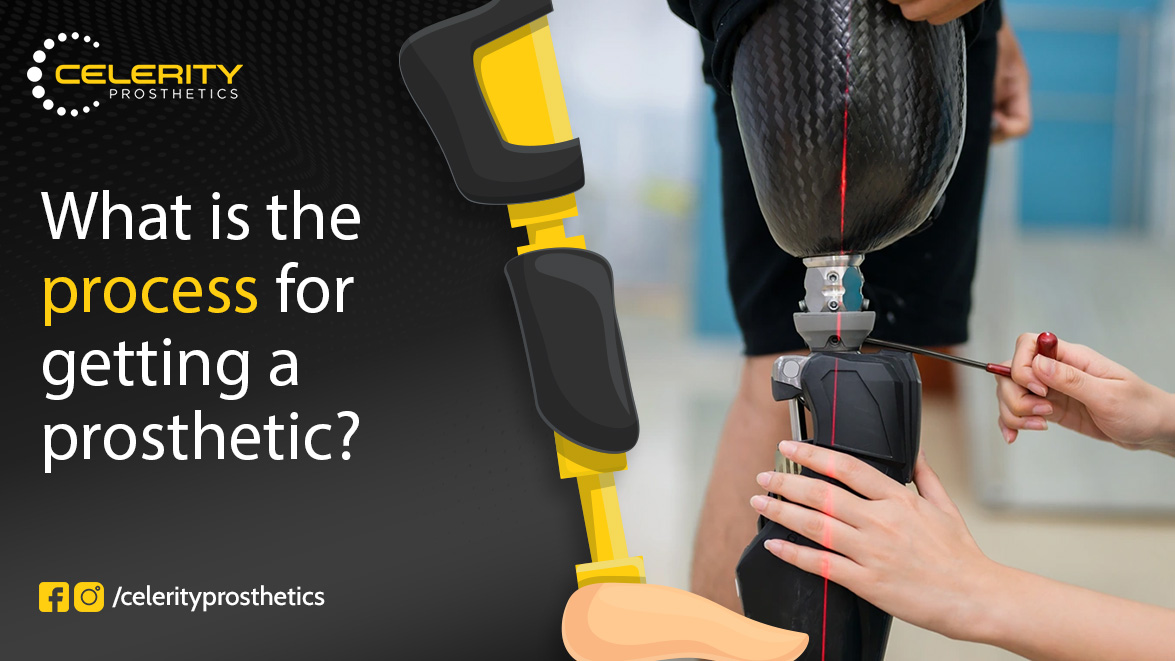
Losing a limb changes life in many ways yet modern prosthetics restore movement and independence. The journey starts with medical care and ends with confident daily use. Many people are curious about the process of getting a prosthetic.
| Quick Answer
Getting a prosthetic follows nine clear steps from doctor visits to lifelong care. First comes a medical evaluation then specialist referral and limb measurement. Next the custom plan forms are followed by temporary fitting if needed. Fabrication and initial fitting lead to adjustments and follow-up visits. Each step builds comfort and function through expert guidance and precise work. |
Step-by-Step Process for Getting a Prosthetic
Prosthetic services follow a structured path from assessment to daily use. Each stage ensures the device fits well and supports patient goals. Medical teams work together for the best results.
1. Initial Medical Evaluation and Assessment
Doctors start with a full health check after amputation surgery. They test strength, balance and range of motion in other limbs. Healing progress and pain levels also matter during this visit. The goal is to confirm readiness for prosthetic use. Lifestyle needs like work or sports help shape the device choice.
2. Referral to a Prosthetist or Specialist
The doctor refers patients to a certified prosthetist for device planning. This specialist matches activity level to the right prosthetic care type. They consider the weight distribution and daily demands during the first meeting. That handoff connects healing with custom design work. The prosthetist becomes the main guide from this point forward.
3. Residual Limb Examination and Measurement
Prosthetists examine the residual limb for shape, tissue health and bone alignment. They take precise measurements using casts, scans or digital tools. Skin conditions and sensitive areas get special attention too. Accurate data prevents pressure sores and ensures socket comfort. This step forms the foundation for all future fittings.
4. Creating a Custom Prosthetic Plan
The prosthetist builds a plan with input from patients and therapists. Socket materials, joint liners and suspension systems all get chosen carefully. Budget and insurance coverage also shape the final design. The plan balances comfort, durability and lifestyle needs. Everyone agrees before fabrication work begins in the workshop.
5. Fitting of a Temporary Prosthetic (If Needed)
Some patients receive a temporary device during the healing phase. This helps build strength and test walking patterns early. It also reveals fit issues for the permanent design. Temporary prosthetics use simpler components for quick adjustments. Patients practice daily tasks while the custom device gets built.
6. Fabrication of the Custom Prosthetic Device
Skilled technicians build the device from exact measurements and chosen parts. They shape sockets, test components, and assemble joints in the workshop. Materials like carbon fiber and silicone liners add strength and comfort. Quality checks happen at every assembly stage. The finished prosthetic meets all planned specifications before delivery.
7. Initial Fitting and Alignment
Patients try the new prosthetic in Oklahoma City during the first supervised session. The prosthetist checks the socket fit, joint angles and weight balance. Gait analysis helps align components for natural walking. Early practice builds confidence under close guidance. Proper alignment prevents blisters and supports even pressure distribution.
8. Adjustment and Fine-Tuning of the Prosthetic
Real use reveals small comfort or control issues after initial fitting. The prosthetist makes socket tweaks, suspension changes or part swaps. Patients report pain points or movement limits during follow-up visits. Fine-tuning continues until walking feels natural and stable. This phase often takes several weeks of close collaboration.
9. Follow-Up Visits and Long-Term Care
Regular check-ins monitor wear comfort and lifestyle changes over time. Prosthetists replace liners, adjust alignment and plan future upgrades. Patients learn cleaning tips and daily inspection routines too. Therapists refresh gait training as needed for new activities. Long-term care keeps the prosthetic working well for years.
Conclusion
From initial health checks to lifelong follow-ups, the prosthetic journey follows nine clear steps. Medical assessment specialist referral, precise measurements and custom design lead to fabrication. Initial fitting, fine-tuning and regular care complete the process. This structured path restores mobility and daily ease.
Celerity Prosthetics offers personalized prosthetic care with skilled prosthetists who guide you through every step. Our team ensures proper fitting for optimal comfort and mobility. Contact us today to start your custom prosthetic journey.
FAQs
How long does it take to get a prosthetic?
The process takes weeks for temporary devices and two to six months for custom prosthetics. Healing time and complexity affect the total timeline. Follow-up adjustments continue for several more weeks after delivery.
Is getting a prosthetic painful?
Initial fittings may cause mild soreness as patients adjust to new sensations. Skilled prosthetists make changes to minimize discomfort quickly. Pain usually fades with proper alignment and consistent use over time.
Do prosthetics require ongoing adjustments?
Yes, prosthetics need regular check-ups for wear comfort and fit changes. Liners, sockets and components get updated as bodies and needs evolve. Most patients visit prosthetists every three to twelve months.