
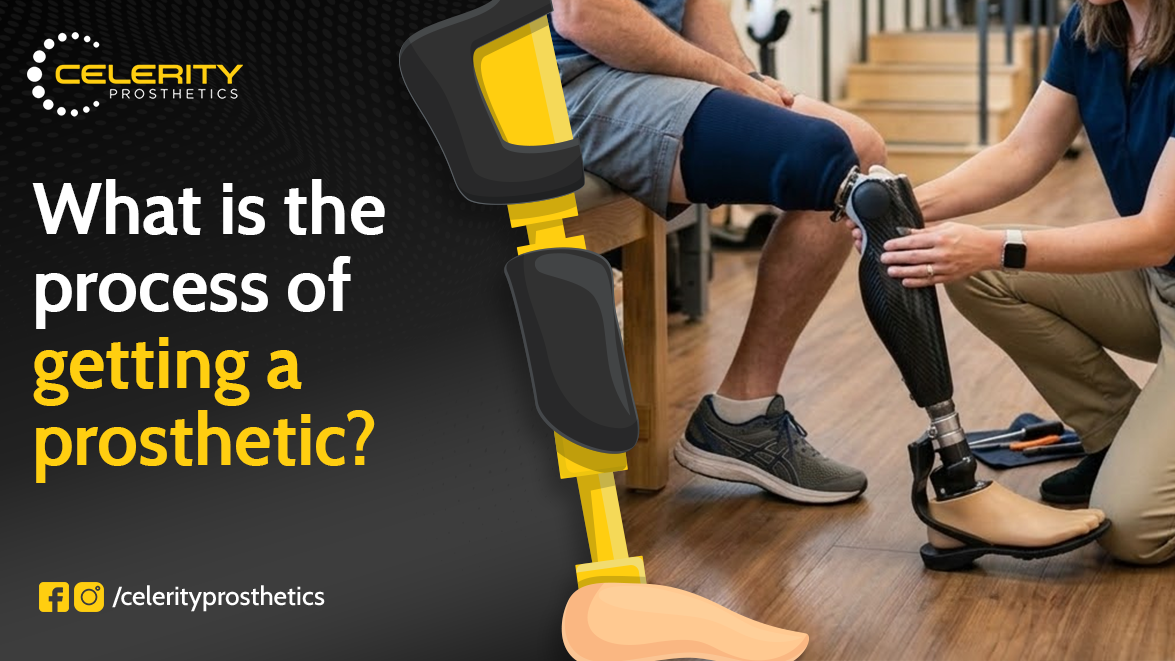
Life after amputation brings tough moments yet also fresh possibilities. You long to move freely and chase the activities you love most. A custom prosthetic can hand you back that independence with genuine comfort. Families cheer every new step you take toward normal days. So, what exactly goes into getting a prosthetic that feels right for you?
Quick Answer
|
Step-by-Step Process of Getting a Prosthetic
Every stage in this journey builds on the last. You work closely with your team so the final device matches your body and daily life perfectly. Quality prosthetic services guide you through each phase with care and expertise.
1 – Medical Consultation & Evaluation
You start with an important medical consultation and evaluation meeting. Your doctor and certified prosthetist join forces from the very beginning. They go over your medical background and current healing timeline. You discuss your lifestyle needs and biggest hopes for the future. This supportive talk shapes a custom plan built around you. Feeling understood right away gives you quiet confidence for what comes next.
2 – Residual Limb Assessment
Next comes a detailed check of your residual limb as swelling decreases. Professionals measure volume daily, test skin sensitivity and evaluate muscle strength. They teach you to use compression shrinkers to shape the limb evenly. Small daily habits like a gentle massage, keep tissues healthy and ready. You learn why volume changes matter because even a half-inch shift affects fit dramatically. This step catches issues early and builds your confidence that the socket will stay comfortable through all activities.
3 – Casting or 3D Scanning
Now your prosthetist captures the exact shape of the limb. Traditional plaster wraps feel cool and quick while modern 3D scanners create digital models in seconds. Both methods produce a precise positive mold that technicians modify for pressure relief. You stay seated and relaxed during the process. The scan or cast becomes the blueprint for every later step. Accuracy here means fewer adjustments down the line and a socket that feels like a natural extension of your body.
4 – Test Socket Fitting (Trial Phase)
You slip into the first clear test socket and take careful steps. Your prosthetist watches your gait and asks for honest feedback about pressure or rubbing. They heat and reshape the plastic right there for instant comfort. Several trial sessions occur over days or weeks. You might walk on different surfaces to test stability. This phase feels empowering because you actively shape the final design. By the end, you will understand how the device will support your unique movements.
5 – Final Prosthetic Fabrication
With test results in hand, the lab creates the definitive socket. They select components like knees, feet, or hands that match your activity level. Lightweight carbon fiber or laminated materials keep the weight down without sacrificing strength. You choose colors or patterns if you want a personal touch. The team assembles everything with care so the device looks and feels professional. This stage turns months of planning into a finished product ready for real life.
6 – Alignment & Multiple Adjustment Sessions
Alignment happens while you stand in front of a mirror or walk between parallel bars. Experts adjust the height, angle and foot position until your posture looks balanced. You notice how tiny changes reduce hip sway or back strain. Most people need three to five visits for perfect tuning. You share what feels off during daily tasks and the team responds immediately. These sessions turn good function into great function and help you forget you are wearing a prosthetic oklahoma city at all.
7 – Rehabilitation & Training
You start rehabilitation training right after your final fitting. Experts show you how to walk smoothly and keep your balance steady. Home exercises take only minutes yet deliver real power in your legs. You learn easy ways to clean your socket and protect your skin. Each session builds quiet confidence that grows stronger. Soon favorite activities feel possible again. This hands-on training changes your prosthetic from a device into something you simply live with naturally.
How Long Does It Take to Get a Prosthetic?
Healing time after amputation sets the pace for your entire journey. You often wait four to eight weeks for swelling to reduce and the limb to become stable. From that point the custom fitting stage begins. You usually finish everything in three to six months when you visit a trusted prosthetic clinic regularly. The wait brings wonderful freedom once your device feels perfect.
- The healing phase takes patience. Your body recovers gradually after surgery. Doctors monitor progress closely while you use elevation and compression to control swelling. Following their plan closely avoids delays and builds a solid base for success.
- Fitting and testing sockets adds several weeks. You attend multiple sessions for casting and trial fittings. Experts adjust the socket based on your feedback each time. These steps eliminate pressure points and create true comfort.
- Fabrication of the final device requires careful work. Technicians build your permanent prosthetic with chosen materials and components. This precise stage ensures durability and matches your daily activities perfectly.
- Rehabilitation training completes the timeline. You work with therapists on gait practice and daily care routines. Consistent home exercises speed up your confidence and independence.
- Key factors can speed things up or slow them down. Insurance approvals and your activity level play big roles. Clear communication and steady appointment attendance keep everything moving smoothly toward your goals.
Conclusion
The process of getting a prosthetic follows clear steps that work together to restore your independence. You begin with evaluations, move through detailed assessments and custom molding, try test sockets, and receive your final device after careful alignment. Rehabilitation training then helps you master movement and daily care with growing confidence. While the timeline can span a few months, you can make steady progress with the right guidance. Patience and active participation turn this journey into something truly empowering.
You deserve a prosthetic that feels comfortable and performs well in your real life. A supportive team makes all the difference between good and great results. If you want expert help that feels like family, reach out to Celerity Prosthetics. We offer flexible mobile care and genuine encouragement every step of the way.
Read Also: How Much Does a Below-Knee Prosthetic Leg Cost?
FAQs
Is getting a prosthetic painful?
Getting a prosthetic rarely hurts. You feel only mild pressure as the socket settles in. Your team adjusts everything carefully so you stay comfortable the whole time.
How many fittings are needed?
You typically attend seven to eighteen visits, depending on complexity and your activity goals. Several test socket sessions allow fine-tuning before the final version arrives. Alignment checks and follow-ups continue for weeks after delivery. Each appointment builds on the last so the device matches your body perfectly. The number feels reasonable once you see how much better each visit makes the fit and function.
Can you walk immediately after getting one?
You take supported steps with a preparatory prosthesis soon after fitting yet full confident walking develops over time. Physical therapy teaches proper technique and balance during the first weeks. Most people progress from walker assistance to independent steps within days or weeks. You build endurance gradually and celebrate small victories along the way. The process feels steady and rewarding as your strength and coordination improve.