
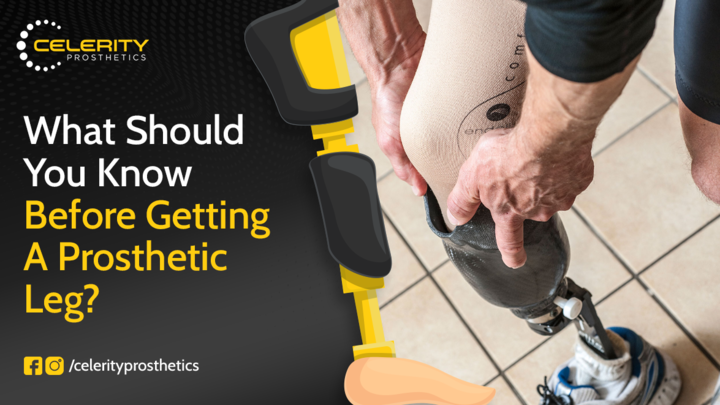
There are many important things to understand before getting a prosthetic leg. Doing so will help you in preparing for the entire process. First, you’ll go through an evaluation to determine your needs. Then, the fittings are made to ensure the prosthetic is comfortable. You should also know that there are different types of prosthetic legs available, and physical therapy plays a major role in learning to use them.
Costs and insurance coverage also matter, along with ensuring comfort and setting realistic expectations. Daily care and regular adjustments keep the prosthetic working well over time, while emotional support makes the journey easier. Knowing these details in advance helps you approach the experience with confidence and clarity.
Key Things to Understand When Preparing for a Prosthetic Leg
Here’s a clear breakdown of what to expect.
1. The Evaluation Process Is the First Step
Before you receive a prosthetic leg, a prosthetist carefully examines your residual limb, strength, and overall health. This evaluation ensures the design suits your lifestyle and activity level. It’s not just about making a device. It’s about creating the right solution for your unique needs so you can use it comfortably every day.
2. The Fitting Process Takes Time
Getting a prosthetic leg isn’t an instant process. Several fittings are often required so the socket fits securely and comfortably. Small adjustments may be needed to fix pressure points or alignment issues. A proper fit is essential because it determines how well you move, how comfortable you feel, and how long you can wear it daily.
3. Different Types of Prosthetic Legs Are Available
There isn’t a one-size-fits-all prosthetic. Some legs are designed for everyday walking, while others are built for athletes or highly active lifestyles. There are also advanced models with microprocessor-controlled joints, which automatically adjust for smoother and more natural movement. Understanding the different types helps you choose a prosthetic leg that matches your activities, comfort needs, and long-term goals.
4. Physical Therapy Plays a Crucial Role
Learning to walk again with a prosthetic leg takes training and support. Physical therapy helps strengthen muscles, improve balance, and teach safe walking techniques. Therapists also guide you on posture, gait correction, and using the prosthetic in real-world environments. Without therapy, adjusting to the prosthetic can take longer and may feel more challenging.
5. Costs and Insurance Coverage Vary
Prosthetic legs can be expensive, and the cost depends on their type and level of technology. Insurance often helps, but may not cover every expense. It’s important to confirm what your plan includes before starting. Being aware of costs and coverage early on prevents surprises and helps you plan financially for this long-term commitment.
6. Comfort and Fit Are Just as Important as Function
Even the most advanced prosthetic won’t work well if it isn’t comfortable. A good fit reduces skin irritation, improves walking ability, and makes daily activities easier. Many users require adjustments over time to keep the prosthetic fitting properly. Prioritizing comfort ensures you’ll actually want to use your prosthetic every day without hesitation.
7. Realistic Expectations Make the Transition Easier
Using a prosthetic leg requires patience. Progress may be gradual, and each person adapts differently depending on their health, mobility, and goals. While prosthetics can restore many functions, they won’t always feel identical to a natural limb. Setting realistic expectations makes the journey smoother and helps you celebrate progress instead of focusing only on limitations.
8. Daily Care and Maintenance Are Essential
Like any tool, a prosthetic leg requires care. The socket should be cleaned regularly, and the skin on your residual limb checked for irritation or pressure spots. Maintenance helps prevent problems and keeps the prosthetic working properly. Simple daily routines ensure the device lasts longer and supports your lifestyle without unexpected discomfort or complications.
9. Adjustments Will Be Needed Over Time
Your body may change due to weight loss, muscle growth, or natural healing, which can affect how the prosthetic fits. Over time, adjustments or replacements may be necessary. Regular visits to your prosthetist keep the device aligned and comfortable. Accepting adjustments as a normal part of the process helps you stay active and confident.
10. Emotional Support Can Make a Big Difference
Adjusting to a prosthetic leg is not only physical. It’s emotional too. Many people experience frustration, anxiety, or uncertainty in the early stages. Having support from family, friends, or peer groups helps ease the transition. Sharing experiences with others on the same journey can inspire confidence and provide encouragement to keep moving forward.
Conclusion
Knowing what to expect before getting a prosthetic leg helps make the process less overwhelming and more manageable. It begins with evaluation and fittings, followed by choosing the right type of prosthetic leg. Physical therapy, cost awareness, and daily care are just as essential as comfort and future adjustments. Setting realistic expectations makes the process easier, while emotional support ensures you don’t face the journey alone. By preparing for all these aspects in advance, you improve your chances of success.
With the guidance of experienced providers like Celerity Prosthetics, patients receive ongoing support and professional care, ensuring their prosthetic leg enhances both mobility and overall quality of life.