
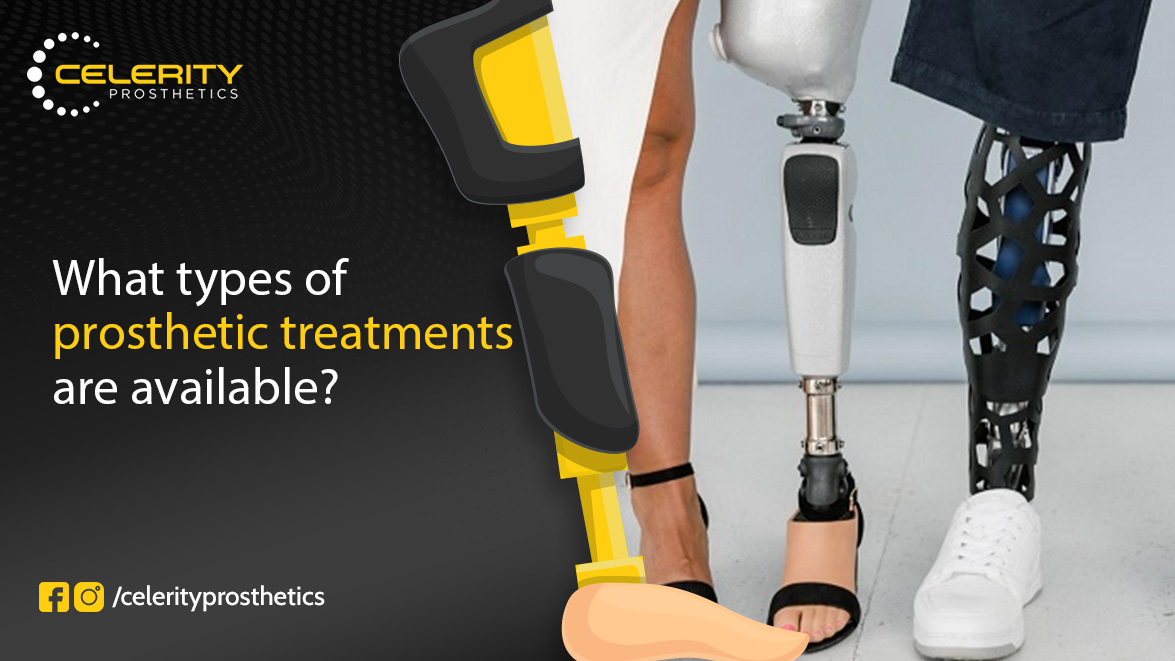
Prosthetic care transforms lives after limb loss through amazing technology and customization. Patients wonder which devices best match their daily needs and activity goals. Many wonder what kinds of prosthetic solutions are used for real recovery.
| Quick Answer
Six main prosthetic options serve different needs and amputation levels effectively. Upper limb prosthetics restore arm function while lower limb options support walking and running. Cosmetic treatments restore natural appearance and myoelectric systems offer precise electronic control. Body-powered designs provide reliable mechanical operation and hybrid treatments combine multiple technologies. Each type matches specific lifestyle demands through custom socket fitting and component selection. |
Main Types of Prosthetic Treatments
Prosthetic care varies widely to match the amputation location and the patient’s lifestyle. Some focus on function while others prioritize appearance or advanced control. Specialists design each system for optimal comfort and performance.
1. Upper Limb Prosthetic Services
Prosthetic clinic specialists evaluate shoulder, elbow, wrist and hand amputation levels carefully. Hook terminal devices help grasp tools while prosthetic hands mimic finger movements naturally.
Shoulder disarticulation designs support full arm replacement with lightweight materials. Patients regain the ability to lift, carry and perform fine motor tasks confidently. Daily activities like eating, dressing and working become possible again through precise socket fitting and suspension systems.
2. Lower Limb Prosthetic Services
Prosthetic Oklahoma experts create hip, knee, ankle and foot solutions for leg amputations. Transfemoral designs include hydraulic knees with microprocessor controls for natural gait. Transtibial prosthetics use energy-storing feet for efficient walking patterns.
Shock absorption protects the remaining limb from impact stress effectively. Active patients choose carbon fiber blades for running and sports performance while daily walkers prefer stable multi-axial feet.
3. Cosmetic Prosthetic Services
Prosthetic care planning restores the natural appearance of the limb using silicone prosthetics and custom skin coloring. Lifelike hands, feet and partial limbs match skin tone, freckles and veins realistically.
These devices prioritize psychological comfort and social confidence over mechanical function. Patients gain emotional benefits from restored body symmetry and natural gestures. Light daily wear becomes comfortable with breathable covers and passive finger positioning.
4. Myoelectric Prosthetic Services
Battery-powered myoelectric prosthetics respond to muscle electrical signals for smooth control. Surface electrodes detect tiny currents from residual limb contractions accurately.
Multi-grip hands rotate wrists and perform delicate pinching motions seamlessly. Computer processors learn user patterns for intuitive operation over time. Patients gain precision for typing, eating and personal care tasks confidently. Battery life and weight remain important considerations for all-day comfort.
5. Body-Powered Prosthetic Services
Cable-operated body-powered prosthetics use natural shoulder movements for reliable control. Harness systems connect body motion to the terminal device operation mechanically. Hooks provide a strong grasping force for work tasks and heavy lifting safely.
These designs need no batteries or charging for consistent daily performance. Active patients appreciate durability during rugged outdoor activities and sports participation. Maintenance stays simple with fewer electronic components overall.
6. Hybrid Prosthetic Services
Hybrid prosthetic treatments combine myoelectric precision with body-powered reliability for versatile function. Modular components switch between power sources based on activity demands easily. Patients use electronic control for fine tasks and mechanical backup for heavy lifting.
Advanced designs incorporate sensory feedback and pattern recognition technology too. These systems adapt to changing lifestyle needs through simple reprogramming and component swaps. Future upgrades become possible without full device replacement.
Conclusion
Prosthetic care offers amazing solutions for every amputation level and lifestyle need today. Upper and lower limb prosthetics restore mobility while cosmetic options rebuild confidence naturally.
Myoelectric systems provide electronic precision and body-powered designs deliver mechanical reliability consistently. Hybrid technology combines the best features for maximum versatility and future adaptability. Patients discover life-changing function through custom socket design, component selection and expert fitting.
Celerity Prosthetics creates personalized solutions with mobile service convenience for humans and pets alike. Our family approach ensures comfortable fittings and compassionate care throughout your prosthetic journey.
FAQs
What are the main types of prosthetics?
Six primary types exist: upper limb, lower limb, cosmetic myoelectric body-powered and hybrid prosthetics. Each serves specific amputation levels and lifestyle requirements through custom design.
Which prosthetic treatment is best?
The best choice depends on amputation location, activity level, budget preferences and daily function goals. Specialists match patients with optimal technology through detailed evaluation.
How do prosthetic treatments work?
Custom sockets connect residual limbs to mechanical or electronic components securely. Alignment ensures a natural gait while liners improve comfort during extended wear daily.