
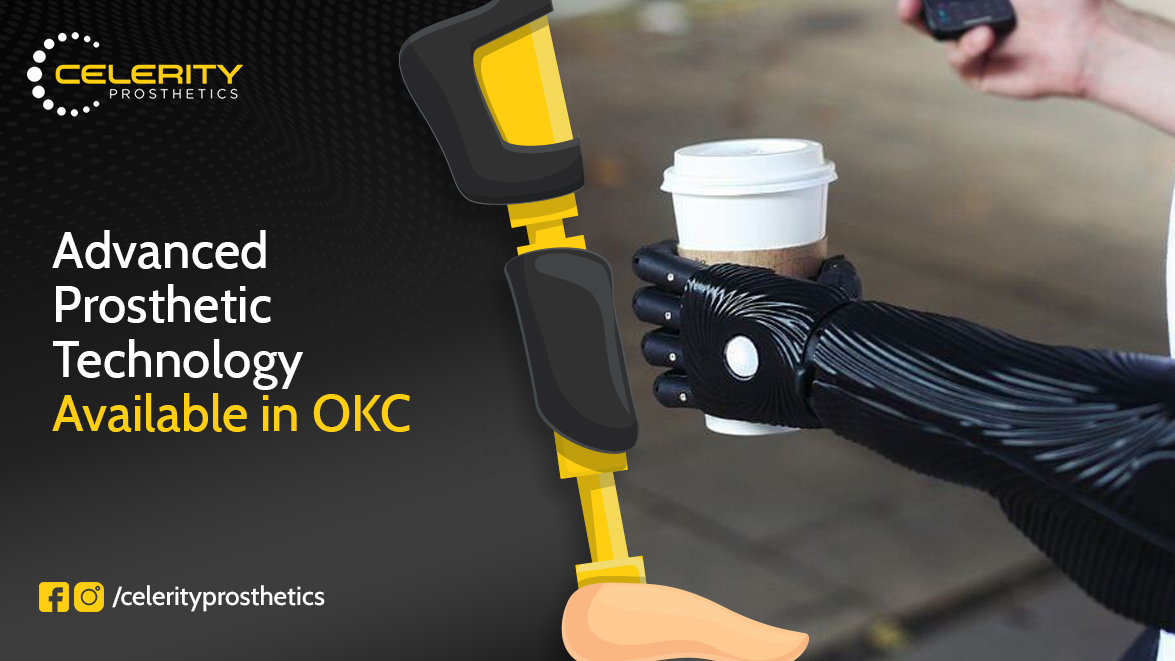
Advanced prosthetic options in Oklahoma City now give users more comfort, control, and freedom in daily life. Available technologies include microprocessor knees, smart foot-and-ankle systems, myoelectric hands, vacuum suspension, lightweight carbon-fiber components, digital socket design, and activity-based devices. Each one solves a different challenge. Some help you walk more smoothly while others improve grip, reduce pressure, or support work, sports, and other everyday demands with greater confidence.
Refer your patients with confidence to a trusted team dedicated to exceptional prosthetic outcomes.
Key Takeaways
|
What Types of Advanced Prosthetic Technology Are Available in OKC?
Modern prosthetic care includes several advanced options that solve different problems. Some improve balance and walking while others focus on grip, comfort, suspension, energy return, or a better socket fit.
Microprocessor Knee Prosthetics
Microprocessor knees use sensors and software to adjust with each step. They read motion changes quickly and help control swing and stance more smoothly. Because of that, many users feel safer on stairs, ramps, and uneven ground. They also reduce the effort needed to manage every step manually. For above-knee users, that added support can change daily movement in a big way.
Microprocessor Foot and Ankle Systems
Microprocessor foot and ankle systems respond to changing surfaces and walking speed. They can adapt when you move from pavement to grass or step onto a slope. That feature helps many people maintain better posture and steadier motion. For people exploring advanced prosthetics in OKC, these systems often stand out for comfort, terrain response, and more natural ankle behavior.
Myoelectric Arm and Hand Prosthetics
Myoelectric arm and hand prosthetics use muscle signals to control movement. Small sensors detect muscle activity in the residual limb and convert it into hand or wrist actions. That can make opening, closing, and positioning feel more intuitive over time. Many users value these devices for everyday tasks like holding utensils, carrying bags, or managing light work tools with better control.
Vacuum Suspension Systems
Vacuum suspension systems create a more secure connection between your limb and socket. Instead of letting the limb shift too much, they help hold it in place more evenly. This often reduces rubbing, unwanted motion, and skin irritation during long wear. As a result, users may feel more stable and more comfortable throughout the day. Good suspension often makes the whole prosthesis feel more dependable.
Lightweight Carbon Fiber Prosthetics
Lightweight carbon fiber prosthetics reduce bulk without giving up strength or support. That matters because a lighter device can lower fatigue during walking, standing, and repeated movement. Many carbon fiber designs also return energy well during motion. This can help steps feel smoother and less heavy. For active users, the difference often shows up in endurance, comfort, and easier movement over longer periods.
Custom Digital Socket Technology
Custom digital socket technology improves one of the most important parts of prosthetic care. The socket must fit well or even advanced components may feel frustrating to use. Digital scanning and precise shaping help create custom artificial limbs with more accurate contours and pressure control. That can reduce sore spots, improve alignment, and support longer wear. In prosthetic care, comfort often begins with the socket.
Activity-Specific Prosthetic Devices
Activity-specific devices support movement beyond basic daily walking. Some are built for running while others support lifting, swimming, hiking, or cycling. A general-use prosthesis may not always perform well during specialized activity. That’s why purpose-built options matter. They help protect the body and improve performance during demanding tasks. When well matched, they let users return to their hobbies with more confidence and fewer compromises.
Get expert mobile prosthetic care delivered to your home, hospital, or care facility, making quality care more convenient than ever.
Which Advanced Prosthetic Technology Is Right for Your Lifestyle?
Choosing the right device starts with how you live each day. The best prosthesis is not always the most complex one. It is the one that supports your routine well.
Daily Walking and Household Activities
If your main goal is reliable daily movement, comfort comes first. You may need steadiery walking, easier standing, smoother turning, and better balance on normal household surfaces. In that case, simple stability can matter more than sport-level performance. A responsive foot, secure suspension, and a well-made socket often do more for daily life than flashy features alone.
Active Professionals
Active professionals often need comfort that lasts through long working hours. If you stand, walk, commute, or shift between locations, fatigue becomes a serious issue. You may benefit from lightweight components, better shock absorption, and a secure fit that stays consistent. Good alignment also matters. When your prosthesis supports energy and comfort well, your workday feels more manageable and less draining.
Athletes and Recreational Users
Athletes and recreational users need technology that matches movement demands closely. Running, gym training, hiking, and court sports all stress the body differently. Because of that, one device may not suit every activity. Activity-specific feet or stronger dynamic components may help more. The right setup should support performance but also protect joints, control impact, and keep movement safe under higher loads.
Upper Limb Prosthetic Users
Upper limb users need function that matches both routine and precision. Some people want a strong grip for work tasks while others need finer control for home use. Myoelectric options may help with more natural hand function and smoother command input. Still, comfort and training matter just as much. A useful arm or hand prosthesis should fit your tasks rather than simply look advanced.
Pediatric Prosthetic Needs
Children need prosthetic care built around growth, learning, and play. A device must support movement today but also allow room for change tomorrow. Comfort, adjustability, and durability matter a lot for younger users. Parents also need guidance they can trust. When pediatric technology fits well, it supports school, movement, confidence, and normal daily exploration without placing too much stress on the child.
Take the next step toward better mobility with expert partial limb prosthetic care designed around you.
How Advanced Prosthetic Technology Improves Everyday Life
The real value of advanced technology shows up during ordinary routines. Better movement means more than better mechanics. It often changes comfort, confidence, independence, and the way a person approaches each day.
Before features matter on paper, they need to prove themselves in real life.
- Better stability and safer movement
Advanced knees, feet, and suspension systems can improve balance on stairs, ramps, and uneven ground. That added stability often helps people move with less hesitation in busy places. - Greater comfort through long wear
A better socket fit and more secure suspension can reduce rubbing, pressure, and unwanted movement. When discomfort drops, wearing time often improves and daily routines feel less interrupted. - More natural control during tasks
Responsive components help steps feel smoother and upper limb actions feel more deliberate. That can make standing up, reaching, carrying, and turning feel less forced. - Higher confidence outside the home
When a device responds well, users often trust it more in public settings. That confidence can affect errands, work, social outings, and family activities. - Stronger support for long-term goals
Good prosthetic technology helps protect the body from extra strain over time. It can also support consistent activity, better habits, and a more active lifestyle.
Read Also: Prosthetic Limbs vs Artificial Limbs: Is There a Difference?
What to Expect During the Advanced Prosthetic Fitting Process
Even the best technology works poorly without a careful fitting process. That process usually happens in stages so your provider can understand your goals, shape the device well, and adjust it over time.
Comprehensive Evaluation
The process usually starts with a full conversation and physical review. Your provider looks at your medical history, limb condition, movement ability, daily routine, and personal goals. This step matters because technology should solve real problems, not just sound impressive. A careful evaluation helps narrow the choices early. It also builds a plan around comfort, safety, and the kind of movement you need most.
Digital Measurements and Limb Assessment
Next comes a close look at limb shape, tissue condition, and alignment needs. Providers may use digital scans, detailed measurements, or both to capture size and contour accurately. They also assess sensitive areas, motion range, and how the limb handles pressure. These details guide socket design later. Small errors here can create big discomfort later. Accurate assessment lays the groundwork for a better overall result.
Experience personalised arm prosthetic care designed to enhance function, comfort, and quality of life.
Prosthetic Design and Customization
After assessment, the prosthesis takes shape around your real needs. The provider selects components based on activity level, limb type, balance needs, work demands, and comfort priorities. This is where customization matters most. The goal is not to build a device that looks advanced. The goal is to build one that functions well for you. Smart design choices often prevent avoidable problems later.
Initial Fitting
The first fitting checks comfort, alignment, and basic function in motion. You may stand, walk, shift weight, or test simple tasks while the provider watches closely. Small changes often happen right away because first fits rarely feel perfect. That is normal. This stage helps reveal pressure spots, looseness, or alignment issues. Early adjustment makes the next steps easier and supports better long-term comfort.
Gait Training and Rehabilitation
A strong device still requires its user to haveneeds proper training before it feels natural. Gait work helps you learn balance, timing, posture, and safer movement patterns. For upper limb users, training may focus on control, grip practice, and efficient task use. Repetition matters here. Good habits built early can improve comfort and reduce strain later. Rehabilitation turns technology from a device into a practical part of life.
Follow-Up Adjustments and Ongoing Care
Follow-up care keeps the prosthesis working well as your body changes. Limb volume can shift and activity demands can rise over time. Regular check-ins help refine fit, monitor wear, and adjust performance before small problems grow. Many people searching for a prosthetic company near me really need a provider who stays involved after delivery. Ongoing care often makes the difference between short-term use and lasting success.
Conclusion
Advanced prosthetic technology can improve daily life in practical and meaningful ways. The right device may help you walk more smoothly, stay comfortable longer, manage work demands, and return to activities that matter. Still, the best results do not come from technology alone. They come from a careful evaluation, a well-built socket, proper training, and steady follow-up care.
In Oklahoma City, Celerity Prosthetics offers custom upper and lower limb care, advanced prosthetic support, and mobile service designed around each patient’s needs. If you want a solution matched to your lifestyle and long-term goals, contact Celerity Prosthetics for a personalized evaluation and expert guidance.