
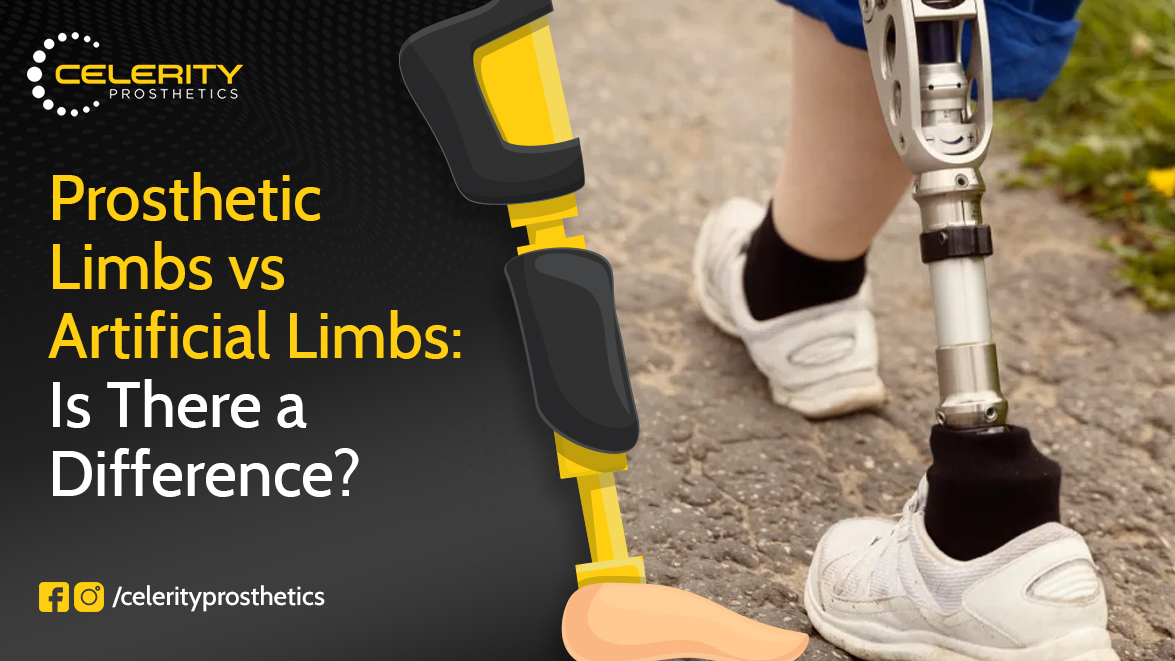
You may hear both terms when searching for limb replacement options. In most cases, they point to the same type of device. Clinical teams usually prefer one term for precision. Everyday conversation often uses the simpler phrase instead. The key difference is language more than hardware. What improves life is a secure fit and practical training. The right one supports balance, comfort, and daily independence. Labels matter less than the results you can feel each day.
Every pet deserves the chance to move with comfort and confidence. Speak with our prosthetic specialists to discuss your pet’s unique needs.
Key Takeaways
|
What Is a Prosthetic Limb?
A prosthetic limb is a custom device that replaces part or all of a missing arm or leg. It is built to restore useful movement and support safer daily function. The design usually matches your residual limb shape, strength, and lifestyle goals. With the right plan, it can improve balance, comfort, and independence over time.
Modern prosthetic services go beyond handing over a device. Support often includes socket design, component selection, use training, and follow-up adjustments. These steps help the limb feel more secure during real tasks. Progress becomes stronger when fit and training work together from the start.
What Is an Artificial Limb?
An artificial limb is a general term for a man-made replacement of a missing arm or leg. Many people use this phrase in everyday conversation because it feels simple and familiar. Older materials and public discussions often used the same term. It still appears often when families first start searching for help.
In practical terms, an artificial limb can mean the same device as a prosthetic limb. The label does not imply quality by itself. Comfort, alignment, component choice, and training still shape results. What helps most is a plan that matches your body and your real daily needs.
What Is the Difference Between Prosthetic Limbs and Artificial Limbs?
| Aspect | Prosthetic Limb | Artificial Limb |
| Meaning | A custom medical device that replaces a missing arm or leg | A general term for a man-made replacement of a missing limb |
| Common Use | Preferred in clinics, rehab, and medical records | Common in everyday conversation and older materials |
| Tone | Clinical, precise, and professional | Simple, broad, and more casual |
| Focus | Fit, function, training, and long-term care | Basic idea of a replacement limb |
| Technology Link | Strongly linked to modern sockets, joints, and control systems | Can sound less specific about current technology |
| Who Uses the Term | Prosthetists, therapists, doctors, and insurers | Patients, families, and the general public |
| Practical Difference | Usually none in the device itself | Usually none in the device itself |
| What Matters Most | Comfort, alignment, mobility, and daily independence | Comfort, alignment, mobility, and daily independence |
Is There Actually a Difference Between Prosthetic Limbs and Artificial Limbs?
In daily use, there is little true difference between the two phrases. Most people are talking about the same category of devices. One term sounds more clinical while the other sounds more general. The function people want remains the same: better movement, support, and independence.
Healthcare teams still prefer “prosthetic limb” for precision. However, patients may say “artificial limb” and receive the same type of care. Families looking for artificial limb services often need guidance on fit, training, and long-term support. Labels matter less than comfort, safety, and goals that match real life.
Why Healthcare Professionals Prefer the Term “Prosthetic Limb”
Healthcare professionals prefer “prosthetic limb” because it is the standard medical term. It creates clearer communication among clinics, therapists, and insurance teams. Documentation also becomes more consistent when everyone uses the same language. That clarity helps care plans stay organized from evaluation through follow-up.
The term also better reflects modern custom care and technology. “Artificial limb” can sound broad or outdated in clinical settings. Prosthetic care today includes advanced sockets, smart components, and ongoing adjustments.
Types of Prosthetic Limbs Available Today
Modern options vary by body region, control method, and activity needs. Choosing well starts with understanding the main device categories available today.
Upper-Limb Prosthetics
Upper-limb systems support tasks involving the hand, wrist, elbow, or shoulder. Options may replace a partial hand or a larger portion of the arm. Goals often include grasping, holding, and completing daily routines with less strain. The right design depends on residual limb length, strength, and the tasks you value most.
Lower-Limb Prosthetics
Lower-limb devices support standing, walking, and balance through the day. Common options include below-knee and above-knee systems with different foot designs. A strong setup can reduce energy use and improve walking rhythm. Good alignment also protects the sound limb and helps prevent secondary joint strain over time.
Passive Prosthetic Limbs
Passive devices offer support with little or no active powered movement. Many people choose them for their natural appearance or light functional help. They can assist with balance, bracing objects, or simple daily presentation needs. For some users, a passive option feels lighter and easier for all-day wear.
Body-Powered Prosthetics
Body-powered systems use cables and harnesses linked to your own movement. When you move your shoulder or body, the terminal device opens or closes. These systems are often durable and provide useful feedback through tension. Many people like them for practical work tasks and reliable everyday performance.
Myoelectric Prosthetic Limbs
Myoelectric devices use muscle signals from the residual limb to guide motion. Sensors read those signals and power hand or arm movements with battery support. This can allow finer control for grasping and positioning. Users often need training to make signal control feel natural and consistent in daily use.
Microprocessor-Controlled Prosthetics
Microprocessor systems use sensors and software to adjust during movement. Smart knees or feet can respond to speed changes and uneven ground. That support often improves stability on stairs, ramps, and crowded spaces. These systems can feel smoother yet still need proper fitting and practice to work well.
How Modern Prosthetic Limbs Work
Modern devices combine custom fit with smart components. Success depends on both design and how your body uses the system.
Here is how the main parts work together in real life.
- Custom socket interface
The socket connects your residual limb to the rest of the device. A secure fit improves control, reduces pressure points, and supports all-day comfort. - Structural components
Joints, pylons, feet, and hands transfer force during movement. Strong design supports balance, safer loading, and practical daily activity. - Control systems
Body power, muscle signals, or microprocessors guide motion. The best system matches your strength, goals, and preferred way of moving. - Suspension and liners
These keep the device secure without excess rubbing or skin stress. Good suspension improves stability and protects soft tissue during long wear. - Training and adjustments
You learn safer movement patterns through practice and guided feedback. Regular fine-tuning keeps performance strong as your needs and body change.
Our specialty prosthetic services align with your lifestyle and goals. Speak with our team to explore the right solution for you.
Common Misconceptions About Prosthetic and Artificial Limbs
Many people still hold outdated ideas about limb replacement. Clear facts help families choose care with more confidence.
These common myths often create unnecessary worry.
- Myth: All devices work the same
Fit, components, and training create major differences in comfort and function. Two people with similar limb loss may need very different solutions. - Myth: Prosthetics always look robotic
Many options can look natural, while others stay more functional by design. Appearance choices depend on personal preference and daily goals. - Myth: One fitting is enough forever
Bodies change and so do socket volume and alignment needs. Follow-up care protects comfort, skin health, and long-term mobility. - Myth: Only young people benefit
Children, adults, and older users can all gain independence with the right plan. Age matters less than goals, safety needs, and consistent support. - Myth: Advanced tech is always best
High-tech systems help some users, yet simpler options may work better for others. Lifestyle fit matters more than feature lists alone.
Read Also: How Prosthetic Services Improve Mobility and Quality of Life
Conclusion
Prosthetic limbs and artificial limbs usually describe the same kind of device. The main difference is language, not the core purpose of care. Healthcare teams prefer “prosthetic limb” because it is clearer and more precise. What truly improves daily life is a secure fit, the right components, and steady training. Modern options range from passive devices to advanced microprocessor systems. The best choice matches your body, goals, and real routines. With good follow-up, comfort and confidence can grow over time.
If you want personalized guidance on upper or lower limb options, Celerity Prosthetics can help with custom fitting, practical training, support, and thoughtful long-term care. Our team focuses on mobility, comfort, and independence for everyday living.