
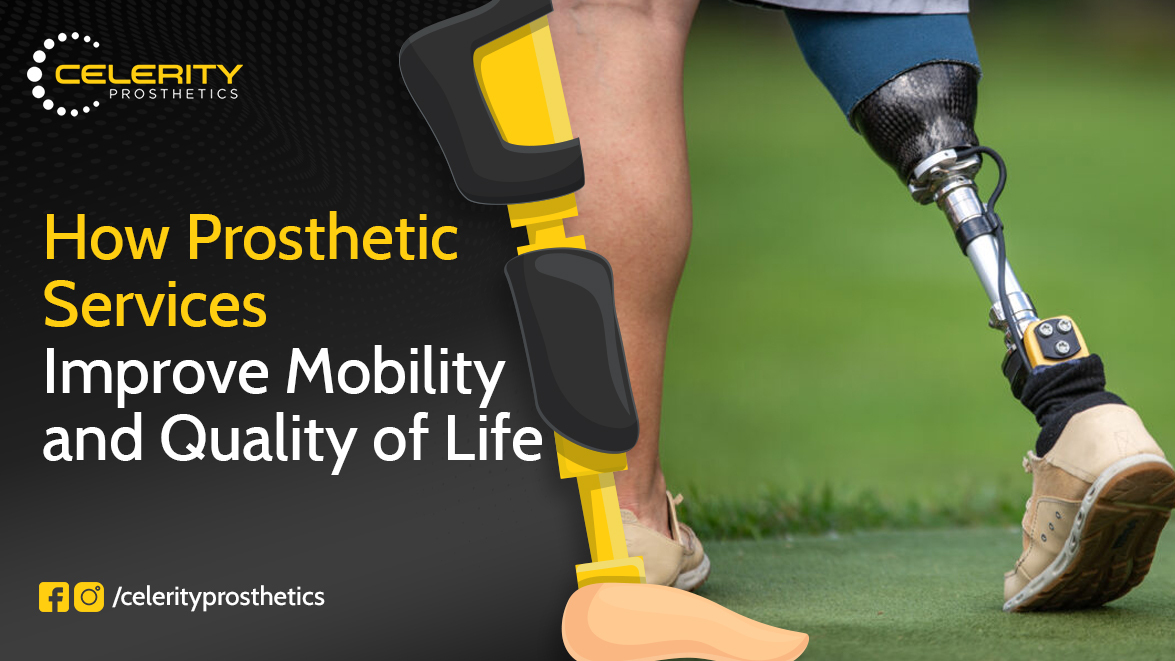
Losing a limb changes daily life in ways that go far beyond walking. But with the right prosthetic services, proper fitting, gait training, and ongoing support, most people regain far more mobility and independence than they expect. This guide breaks down exactly how prosthetic care improves movement, reduces pain, and helps people return to work, hobbies, and everyday routines with confidence.
Explore our lower extremity prosthetic services in Oklahoma City and find the right prosthetic care for your mobility goals.
Key Takeaways
|
How Do Prosthetic Services Improve Mobility?
Strong mobility gains rarely come from a device alone. They grow through careful fitting, practical training, and ongoing support that helps each person move with greater control.
Getting a Comfortable, Secure Prosthetic Fit
Fit is the single biggest factor in whether someone wears their prosthesis every day. The socket needs to hold the residual limb securely, without rubbing, pinching, or creating hot spots. Good suspension keeps the device stable through steps and turns, and even pressure distribution keeps skin healthy and reduces fatigue.
When the fit is right, trust follows, and that trust is what leads to longer wear time and more natural use, both at home and out in the world.
Gait Training: How It Helps Restore Natural Walking Patterns
Gait training helps people rebuild smoother step patterns after limb loss. A skilled team watches posture, timing, and foot placement during each session. Training often starts slowly with short distances and clear cues. Over time, steps become more even and less forced. Better gait saves energy and reduces limping. It also helps the sound limb work less.
Improving Balance, Stability, and Coordination
Balance improves when weight shifts feel controlled and predictable. Prosthetic training builds awareness through the hips, core, and standing leg. People practice standing still, turning, and recovering from small stumbles. Coordination grows as both sides of the body learn to work together again. Better stability lowers fall risk on ramps, grass, and uneven floors. With practice, movement feels less stiff and more confident during daily tasks.
Reducing Pain and Preventing Secondary Injuries
Poor alignment often causes pain in the back, hips, or shoulders. Over time, that strain can lead to overuse injuries. Strong prosthetic services correct alignment so joints share the load more evenly. A better fit also reduces skin breakdown and residual limb soreness. Less pain means people walk more often and recover faster after activity. Preventing secondary injuries protects long-term mobility and keeps progress from sliding backward.
Supporting Daily Activities at Home, Work, and in the Community
Mobility matters most in real life, not only in clinic hallways. Good prosthetic care supports stairs, short walks, standing at work, and simple errands. People practice getting in and out of chairs, cars, and showers. Community movement also becomes more realistic with the right training. When daily tasks feel safer, independence grows naturally. That practical freedom helps people rejoin routines without constant worry or heavy assistance.
How Prosthetic Services Improve Overall Quality of Life
Mobility gains often unlock bigger life changes. When movement feels safer and more natural, people usually regain confidence in many areas of daily living.
Restoring Independence in Daily Living With a Prosthesis
Independence returns when people can manage daily tasks with less help. Dressing, bathing, cooking, and light cleaning feel more doable with steady balance. Some people also regain driving confidence after proper training and equipment setup. Even small wins matter, like standing longer at a sink or walking to the mailbox. These moments rebuild personal control. Over time, fewer daily barriers mean more freedom and less frustration at home.
How Prosthetics Boost Confidence and Emotional Well-Being
Confidence often rises when movement becomes reliable again. People worry less about falling, limping, or drawing unwanted attention. Emotional strain can ease as routines feel more predictable. Many users also feel proud when they master new skills with their device. That progress supports self-image and lowers isolation. Better emotional well-being then feeds physical progress because people practice more and stay engaged with care.
See how our upper extremity prosthetics can help you return to work, hobbies, and the activities you enjoy most.
Returning to Work, School, and Hobbies After Limb Loss
Returning to familiar roles can restore purpose after a major change. Work may need standing endurance, desk transitions, or safer walking on site. School routines often demand hallway movement, longer days, and social comfort. Hobbies matter too, from gardening to light sports and creative projects. Tailored prosthetic planning matches the device to these demands. When people rejoin meaningful activities, recovery feels more complete and personally rewarding.
Staying Active and Social With the Right Prosthetic Support
An active lifestyle supports both body and mood. Social plans become easier when walking feels steady and less exhausting. Family outings, community events, and short group walks feel more inviting. Some people return to adapted recreation with the right components and guidance. Connection reduces loneliness and keeps motivation high. Movement then becomes part of a fuller life, not just a clinic goal or exercise checklist.
Long-Term Health Benefits of Proper Prosthetic Care
Long-term health improves when people stay active with less joint stress. Better posture and gait protect the spine and remaining limb. Regular movement supports circulation, strength, and healthy weight habits. Follow-up care also catches small issues before they grow into major setbacks. Over the years, that preventive approach has preserved mobility. It helps people keep independence longer and avoid secondary health problems.
Why Custom Prosthetic Solutions Deliver Better Mobility Outcomes
One-size-fits-all solutions rarely deliver lasting comfort. Custom solutions match the person’s body, goals, and daily demands for stronger long-term results.
Personalized Socket Design
The socket is the heart of prosthetic comfort. Every residual limb has a unique shape, volume, and pressure pattern. Personalized design from prosthetic companies near me improves contact where support is needed and relieves sensitive areas. A better socket also improves control during walking and turning. When the fit feels secure, people trust the device more. That trust leads to longer wear time and smoother progress in training.
Component Selection Based on Lifestyle
Feet, knees, hands, liners, and suspension systems should match real life. A person on their feet all day needs different support than someone with lighter routines. Home terrain, work demands, and family needs all matter. Smart component choices improve energy use and safety. They also reduce frustration when the device fits the day-to-day environment. Lifestyle-based planning turns technology into practical help rather than unused gear.
Matching Prosthetics to Activity Levels
Activity level should guide prosthetic design from the start. Lower-activity users often need stability and easy control first. Higher-activity users may need more responsive components for speed and varied terrain. Matching the device to true daily demand protects joints and energy. It also prevents overbuying features that never get used. The right match supports both safety and motivation because movement feels more natural.
Get expert prosthetic care without leaving home with our convenient mobile prosthetic services across Oklahoma.
Who Can Benefit Most From Comprehensive Prosthetic Services?
These groups often gain the most from full prosthetic support and follow-up care.
- New amputees preparing for first devices
Early guidance builds confidence before habits form the wrong way. Education, fitting, and training reduce fear and help people start with safer movement patterns. - People struggling with pain or a poor fit
An uncomfortable prosthesis often stays in the closet. Better socket work and alignment can restore daily wear, reduce soreness, and make walking feel workable again. - Active adults returning to work or sports
Higher activity needs stronger planning and component choices. Custom support helps people handle longer days, varied terrain, and physical demands without quick burnout. - Children and growing patients
Growth changes fit quickly and often. Regular adjustments help young users stay mobile, keep up at school, and stay involved in play with fewer setbacks. - Older adults focused on safety and independence
Balance and fall prevention matter deeply in later years. Supportive care helps seniors keep routines, move with less fear, and protect personal freedom longer. - Families seeking nearby ongoing support
Local follow-up makes care more consistent. Easy access to adjustments, repairs, and advice helps progress stay steady through each stage of recovery.
Read Also: What should I expect at my first prosthetic clinic appointment?
Conclusion
Prosthetic care improves mobility and quality of life by restoring safer movement, reducing pain, and rebuilding daily independence. A secure fit helps people trust each step. Gait training and balance work make walking feel more natural. Custom components and regular adjustments keep comfort strong over time. These gains often reach far beyond the clinic. Work, school, hobbies, and social life become more realistic again. Emotional confidence usually rises as independence returns. Long-term health also benefits when joints face less strain.
If you want personalized support that focuses on comfort, mobility, and real-life progress, Celerity Prosthetics can help with custom upper and lower limb care, mobile visits, and ongoing adjustments designed around your goals.