
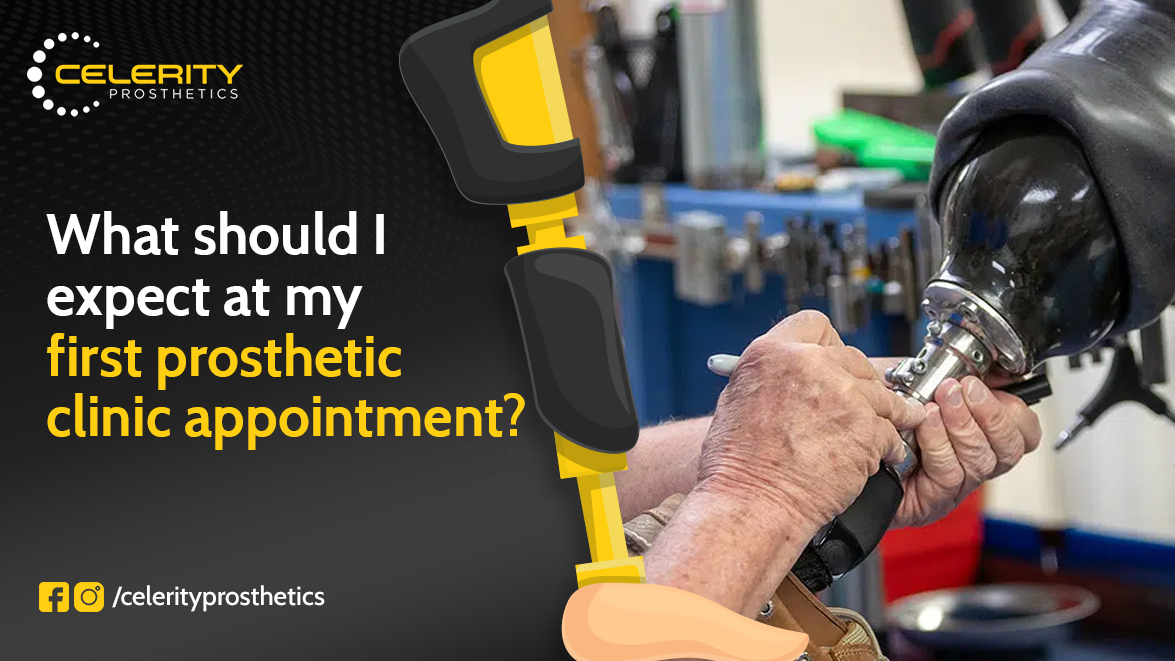
Your first prosthetic clinic appointment is an initial evaluation where a prosthetist assesses your residual limb, medical history, and mobility goals to plan the right prosthetic solution. You will not receive a prosthetic on the same day.
Instead, the visit focuses on examination, goal-setting, and outlining the next steps in the fitting process, including timelines, required follow-ups, and rehabilitation planning.
Core Takeaways
- The first appointment is an evaluation. You will not leave with a prosthetic that day.
- The prosthetist looks at your residual limb, checks your skin, tests your strength and asks about your daily life before suggesting anything.
- Bring your medical records, referral paperwork and a list of medications. More information makes the appointment more useful for everyone.
- Wear loose comfortable clothing that gives easy access to the residual limb. It saves time and makes the physical check easier.
- Insurance coverage, timelines and what the fitting process looks like all get talked through during this first visit so write your questions down beforehand.
What Happens at a First Prosthetic Clinic Appointment?
First, the prosthetist looks over your medical history and asks about your daily routine like what your day looks like and what you are hoping to do with your prosthesis.
During the first visit to a prosthetic clinic, the main goal is to gather enough information to recommend the proper treatment. Then you will move on to the hands-on part. They will check your residual limb, paying attention to the skin, how well it’s healing, your muscle strength and how easily you can move it.
When you leave, you will know a lot more about your options, and you will have a clear picture of how long everything will take. First prosthetic evaluation typically lasts 60–120 minutes. It can sometimes be longer for complex amputations or multidisciplinary intake.
Who Will Be at Your First Prosthetic Clinic Appointment?
Your first visit is usually more structured than people expect. It’s not just one person making decisions. It’s often a small care team working together to understand your needs.
You may meet:
- Prosthetist (main specialist) – Leads the appointment, checks your limb, and plans your prosthetic
- Prosthetic technician (sometimes present) – Helps with measurements and technical setup
- Physical therapist (in some clinics) – Assesses movement, strength, and walking ability
- Rehabilitation physician (in complex cases) – Oversees medical readiness and healing progress
What they are doing together:
- Understanding your healing stage and physical condition
- Checking how your body moves and supports weight
- Learning your daily routine and lifestyle goals
- Planning what type of prosthetic will actually work for you
The main idea is that this is a team-based assessment. Every role feeds into building a safe and realistic plan for your prosthetic journey.
What to Bring to Your First Prosthetic Appointment
Show up prepared and things will go a lot smoother. You’ll get more out of the appointment that way.
- Medical records and referral documents: Bring everything: your surgery notes, hospital records about your amputation, and any referrals from your doctor. These documents help the team providing prosthetic services understand your medical history and current condition.
- Your medications list: Don’t leave anything out. Some meds change how your body heals or cause swelling, and your prosthetist needs to know.
- What to wear: Pick something loose and comfortable, and make sure it’s easy to roll up or move aside so the prosthetist can look at your limb without hassle.
- Questions to ask: Write your questions down before you go. How long does fitting take? What does the process look like? What does insurance actually cover? You will forget half of them once you are sitting in the room so having them on paper helps.
How the Prosthetist Evaluates You
This is where the appointment gets hands-on. The prosthetist needs real information about your body and your life before anything else can move forward.
The Residual Limb Assessment
The prosthetist looks at the shape, size and overall condition of the limb up close. They are figuring out what kind of socket fit will actually work for you based on what they see and feel directly.
Skin Condition and Healing Status
If the skin is still healing, sensitive or showing any irritation that changes when fitting can begin. The prosthetist looks at this closely because it decides both the timing and which materials can safely go against the skin.
Strength and Range of Motion
They run some basic movement checks to see what the body can do right now. If rehab is needed before or during the fitting process this part of the assessment is where that comes up.
Your Lifestyle and Activity Goals
Someone who wants to get back out on hiking trails has completely different needs from someone who just wants to move around the house without difficulty. Tell the prosthetist what you actually want your life to look like. Not what feels safe to say but what you genuinely want to get back to. That answer changes the recommendation more than anything else in the appointment.
What the Prosthetist Will Discuss With You
By the end of the assessment the conversation shifts to options, timelines and what comes next. Here is what gets covered.
Prosthetic Options for Your Situation
The prosthetist explains what is available based on the assessment. What suits your activity level, what the differences between options mean for daily life and what is realistic given your current condition.
Realistic Fitting Timeline
Healing status, insurance approvals and socket fabrication time all affect how long the process takes. Most people wait several weeks between the first appointment and the first fitting. Getting a clear timeline early helps manage expectations.
What the Fitting Process Involves
Multiple appointments, adjustments and a trial period before the final prosthetic gets delivered. The prosthetist walks you through each stage so nothing comes as a surprise along the way.
Insurance and Cost Reality
Ask directly what is covered, what needs prior authorization and whether specific components carry out-of-pocket costs. Insurance conversations are easier to have early than after a recommendation has already been made.
What Comes After the First Appointment?
The first appointment is just the starting point. Here is what the road ahead actually looks like.
- Once the residual limb is ready, a follow-up appointment is scheduled for measurements and casting. The socket gets fabricated and then a fitting appointment follows to check the fit and make adjustments.
- Most people go through four to eight appointments before the final prosthetic is delivered. Some need more, depending on fit adjustments and how the body responds.
- Physical therapy kicks off right along with the prosthetic fitting. You’ll work with a therapist who helps you build strength, improve your balance, and practice your walk. The goal? Make sure your body’s up to speed and ready when your new prosthetic shows up.
- At first, it might feel strange, but give it a little time. You start slow, get familiar with how things feel, and gradually wear it for longer stretches. Patients receiving prosthetic Oklahoma City care often find that regular follow-up visits and therapy sessions make the adjustment process much smoother.
Conclusion
The first appointment is nowhere near as stressful as it feels before you walk in. Show up prepared, be honest about what you want and ask everything on your list. The whole process takes some time, but there’s a reason for every step. When you decide it’s time to move forward, Celerity Prosthetics is here with the know-how and support you need. Reach out to Celerity Prosthetics today and get moving toward the life you want back.
Read Also: What is traumatic limb loss?
FAQs
Will I get my prosthetic at the first appointment?
No. The first visit is purely an evaluation. The prosthetist gathers information and assesses your limb before any fitting or fabrication begins.
How do I know if I am ready for a prosthetic?
Your doctor and prosthetist make that call together based on how well the residual limb has healed and whether your overall health supports the fitting process.
Does insurance cover prosthetic fittings?
Most insurance plans cover prosthetics to some degree but coverage varies a lot. Ask your prosthetist and insurance provider directly before the process begins to avoid surprises later.