
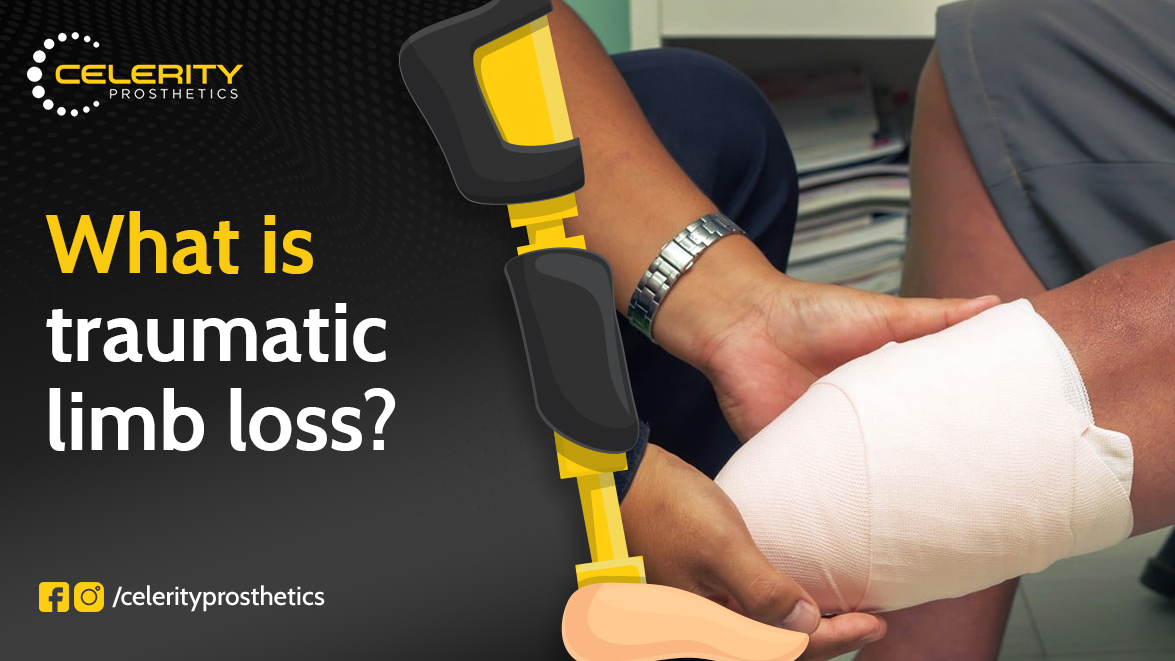
Traumatic limb loss happens when a body part is lost as a result of an injury, such as an accident or violent encounter. Car accidents, machinery accidents, combat injuries, and severe trauma are some common causes. Recovery usually affects movement, emotions, confidence, and daily routines simultaneously. Many people require surgeries, rehabilitation and mobility assistance as they learn to adapt to new lifestyles post-injury.
Core Takeaways
- Traumatic limb loss is caused by serious accidents or physical trauma.
- Recovery includes surgery, therapy, and mobility training.
- A lot of people go through difficult and challenging physical & emotional journeys afterward.
- Prosthetics can improve balance, gait, and independence.
- Recovery takes time because every injury heals differently.
What Does Traumatic Limb Loss Mean?
Traumatic limb loss means losing part of an arm or leg because of a sudden injury. It happens unexpectedly and usually follows a major accident or violent physical trauma. Some people lose an entire limb while others experience partial loss below the knee, elbow, hand, or foot.
- It happens suddenly after a severe injury
- It may affect arms, legs, hands, or feet
- Some injuries involve complete limb loss
- Others involve partial limb amputations
- Long-term recovery often includes rehabilitation support
Common Causes of Traumatic Limb Loss
Some injuries occur on roads, while others occur at workplaces, sports facilities, or during military service. The amount of damage usually depends on impact force, injury location, and emergency medical response afterward.
Vehicle and Motorcycle Accidents
Road accidents are still one of the most frequent reasons for severe limb damage. High-speed crashes may crush bones, tear muscles, or damage circulation beyond repair. Motorcycle riders are usually at higher risk for these injuries because they have less protection against collision and resulting road impact injuries.
Workplace and Industrial Injuries
Industrial equipment can cause devastating injuries in seconds. Some injuries are so severe that the limb cannot be repaired; they may include heavy machinery, sharp cutting tools, conveyor systems and crushing accidents. Construction sites and manufacturing plants normally have higher-risk jobs since workers work near hazardous equipment on a daily basis.
Military Combat Injuries
Combat injuries often happen through explosions, gunfire, or blast pressure during military operations. Explosive devices may damage several body systems at once which makes treatment more difficult afterward. Many veterans spend years rebuilding mobility and confidence after severe combat-related limb injuries.
Severe Animal Attacks
Some animal attacks create deep physical trauma involving muscles, nerves, and blood vessels. Large animal bites may also cause infection risks and severe tissue damage. Emergency surgery sometimes becomes necessary immediately because circulation problems can worsen very quickly after the attack.
Sports and Recreational Accidents
High-impact sports sometimes lead to major physical injuries during crashes or falls. Racing accidents, climbing injuries, and outdoor recreational incidents occasionally result in permanent limb damage. These injuries are less common, though severe trauma still happens in certain extreme situations.
Physical Effects of Traumatic Limb Loss
The body changes significantly after losing part of a limb. Simple movements often feel harder during early recovery.
Pain and Phantom Limb Sensations
Pain often continues even after the injured limb is removed surgically. Some people also feel phantom sensations where the missing limb still feels present physically. Tingling, pressure, itching, or burning pain may happen unexpectedly during recovery and daily life afterward.
Muscle Weakness and Mobility Challenges
After surgery, healing restricts movement and muscles naturally weaken. Getting up or walking or even climbing stairs can suddenly become tiring. Some patients need a relatively strict support device early on but rebuild their strength slowly through recovery and everyday movement exercises.
Balance and Coordination Problems
Losing part of a limb can immediately affect balance and coordination. Many people may struggle to stand, walk, or shift weight safely during early recovery because the body is adjusting to major physical changes. Rehabilitation and mobility training often help improve movement patterns, stability, and long-term coordination over time.
Risk of Joint Strain and Posture Issues
Injury to the joints can sometimes increase pressure in healthy joints. In the long term, the qualities of movement can shift causing the hips, knees, shoulders and lower back to become sore. The poor posture that may be experienced during recovery can also result in stiffness and discomfort during normal daily activities
Emotional and Psychological Effects of Traumatic Limb Loss
Physical recovery is only part of the adjustment process. Emotional healing usually takes time too.
Anxiety and Emotional Stress
Emotional stress can remain long after the physical healing has started due to unexpected trauma. Others may experience anxiety about the future of their mobility, treatment and independence following it. Regular activities may feel strange and cause anxiety in the early stages of recovery and rehabilitation.
Depression During Recovery
Long recovery periods sometimes feel emotionally exhausting. Severe injuries can have a significant impact on mental health, which can involve a sense of pain, restricted mobility, and lifestyle changes. During the rehabilitation process, some people lose motivation because they don’t see much progress. It is after that that the emotional support of family and therapists can be extremely important.
Body Image and Confidence Challenges
Changes in body image can affect confidence when attending social gatherings or carrying out day-to-day tasks. Others stay away from public activities as the physical accident makes them feel insecure about their looks. Over time, confidence often recovers alongside improved mobility and everyday independence.
Science behind prosthetic arms and discover how advanced engineering restores natural movement and function.
Treatment and Recovery After Traumatic Limb Loss
Recovery usually begins immediately after emergency treatment stabilizes the injury.
Emergency Medical Care
Emergency teams first stop the bleeding. Several injuries can quickly damage nerves, tissue, circulation, and the surrounding region. Fast treatment often improves survival chances and helps reduce complications before long-term recovery officially begins afterward.
Surgical Treatment and Healing
Surgery removes damaged tissue and so the body can heal afterward. Depending on how bad the injury is, some can have several operations. A combination of swelling, infection prevention, managing pain and allowing the body tissues to recover all take time and require close medical supervision afterward.
Physical Rehabilitation and Therapy
Rehabilitation is a slow process to rebuild strength, coordination, posture and mobility. Therapies and exercises may involve walking, stretching, balance training and strengthening muscles. Progress often feels slow at first though minor improvements are often much more apparent with continued rehabilitation assistance in the following weeks.
Prosthetic Fitting and Mobility Support
Some people receive prosthetic devices after healing reaches a stable stage. Walking, balancing while standing and bearing weight on the limb may improve up to independence in activities of daily movement with prosthetics. The right fit is very important because how well you are aligned and comfortable has a major impact on your overall long-term movement quality afterwards.
Read Also: Do veterinarians fit prosthetic legs for dogs?
How Prosthetics Help After Traumatic Limb Loss
Prosthetics often help people regain safer movement and stronger physical confidence during recovery. Some devices support walking while others improve balance or arm function during everyday activities. Learning prosthetic movement takes practice, though many people gradually become more independent with consistent rehabilitation afterward.
Adjustments sometimes happen several times because the body changes throughout recovery. Comfort, posture, and movement patterns may improve slowly over time. Some people return to work, exercise, or hobbies after building enough strength and stability during rehabilitation.
- Prosthetics may improve balance during movement
- Some devices support walking and standing stability
- Regular adjustments improve comfort and fit
- Rehabilitation helps improve prosthetic control
- Long-term mobility often improves gradually afterward
Conclusion
Traumatic limb loss has a profound effect on nearly all aspects of daily life after the injury takes place. Recovery often includes physical healing, emotional adjustment, rehabilitation therapy, and mobility support over long periods of time. Some people go home quickly while others need more gradual treatment and care. Those seeking personalized prosthetic guidance and rehabilitation support can also get in touch with Celerity Prosthetics for mobility care and treatment solutions.
FAQs
What causes traumatic limb loss?
The limb loss occurs as a result of traumatic events which can include serious accidents, industrial accidents, combat trauma, severe falls or violent physical injuries to the limbs.
Can people walk again after traumatic limb loss?
Many people regain walking ability through rehabilitation and prosthetic support. Recovery depends on health, healing progress, and long-term therapy participation afterward.
Do all traumatic amputations require prosthetics?
Not everyone gets a prosthetic after a traumatic amputation. After that, treatment decisions generally rely on health, mobility targets and healing progress plus personal choice.