
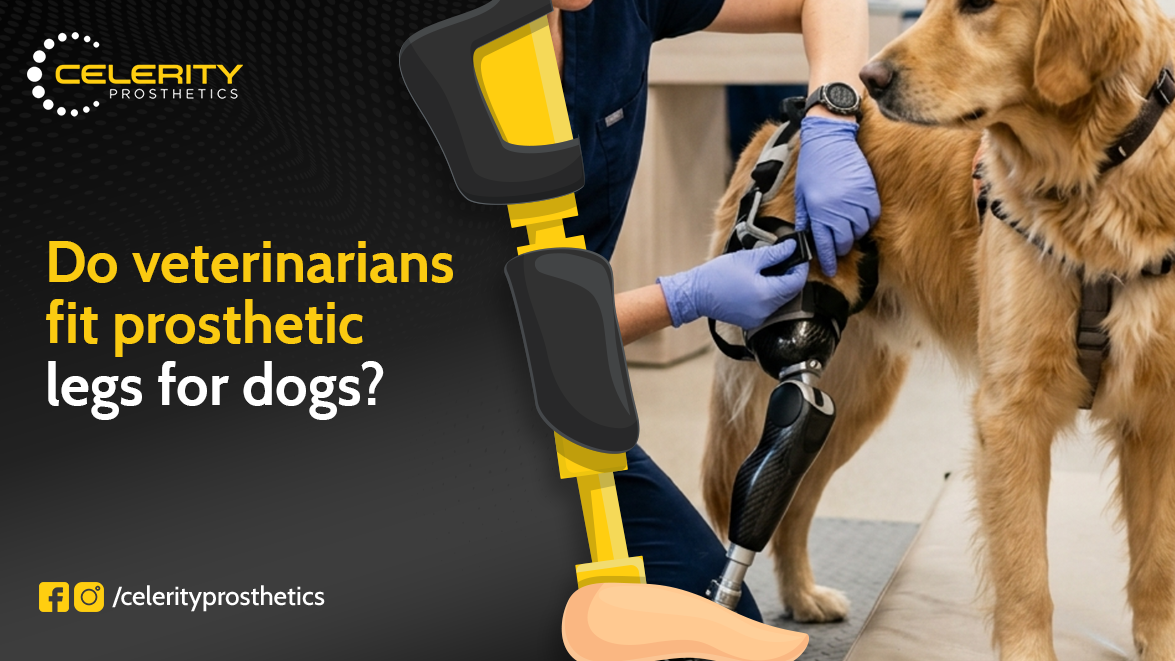
Many dogs can regain safer movement after losing part of a limb. Some veterinarians often consult with prosthetic specialists to assess healing, mobility, balance and general overall health before treatment. Some dogs adjust quickly while others require more gradual rehabilitation and multiple modifications. Comfort and long-term mobility during recovery are positively affected by proper fitting, therapy and patient education.
Core Takeaways
- Veterinarians help evaluate dogs before prosthetic fitting begins.
- Custom prosthetics are designed around the dog’s limb and movement needs.
- Some dogs adjust within weeks while others need longer rehabilitation.
- Therapy and balance training improve walking confidence over time.
- Regular adjustments help maintain comfort and safer movement.
What Role Do Veterinarians Play in Dog Prosthetic Fittings?
Veterinarians usually guide the early stages of prosthetic treatment and recovery planning. They assess a patient’s healing progress, mobility, posture and overall physical condition before proposing prosthetic support. However, not every dog is a fit from the start because limb health and stability play an important role throughout the fitting process.
Veterinarians also monitor long-term recovery after prosthetic placement begins. These include checking skin condition, patterns of movement, muscle power and comfort on follow-up visits. Other clinics collaborate with physical medicine and rehabilitation specialists and prosthetic providers to improve ambulation and minimize pain during everyday activities.
- Veterinarians examine healing before prosthetic fitting begins
- Mobility testing helps determine walking potential
- Follow-up visits monitor comfort and skin condition
- Rehabilitation plans support balance and strength recovery
- Specialists may adjust treatment as recovery progresses
Learn what a prosthetic running leg is and how it helps transform mobility, speed, and athletic performance.
How Prosthetic Legs Are Made for Dogs
Creating a prosthetic for a dog takes several careful steps. The device must match body shape, movement style, limb structure, and weight distribution. Small fitting problems can affect comfort quickly which is why specialists spend time refining the design before regular daily use begins.
Measuring and Scanning the Affected Limb
The fitting process usually starts with detailed measurements of the affected limb. Some specialists use digital scanning technology while others create physical molds for accuracy. Proper measurements help the prosthetic fit securely during movement and reduce instability while the dog walks or stands.
Creating a Custom Prosthetic Design
After measurements are complete, specialists begin designing the prosthetic around the dog’s body structure and mobility needs. Some devices focus more on stability while others support active movement. A custom prosthetic leg for dog recovery should allow comfortable walking without creating extra pressure or imbalance.
Testing Fit and Comfort Before Use
Testing usually happens before the dog begins regular prosthetic use at home. Specialists carefully inspect balance, posture, and walking movements during short practice sessions. Small adjustments often improve comfort significantly because even minor pressure areas may affect confidence and movement quality later.
Which Dogs Are Good Candidates for Prosthetic Legs?
Not every dog responds the same way during prosthetic evaluation. Some pets recover faster because they remain active and healthy after limb loss.
Dogs With Partial Limb Loss
Dogs who have partial limb loss often adjust more successfully because they still retain part of the remaining limb for support. A stable residual limb usually improves prosthetic control during movement. Proper healing also helps reduce discomfort and improve balance throughout recovery training sessions.
Dogs With Stable Overall Health
Healthy dogs tend to recover more quickly. However, their movement progress can be affected if they have severe arthritis, heart disease or neurological conditions. Veterinarians usually assess the general health in detail.
Active Dogs With Good Mobility Potential
Active dogs also tend to adapt faster because they adjust by naturally enjoying the movement and physical activity. Not only that, strong muscles and healthy joints help improve posture and balance during recovery. Some energetic dogs become eager to explore again after gaining confidence with properly fitted dog prosthetics during rehabilitation sessions.
Challenges Dogs May Face While Adjusting to Prosthetics
Recovery usually improves little by little through practice and steady daily routines.
Balance and Coordination Difficulties
Balance problems are common during the beginning of recovery. Some dogs wobble slightly or shift weight unevenly while standing still. You may also find that turning corners or walking on smooth floors can be tough for them. Coordination tends to get better with exposure and practice as the body goes through different movement patterns.
Skin Irritation and Pressure Areas
Repeated rubbing of a prosthetic against sensitive areas while walking may lead to skin irritation. Sometimes feet may develop a little redness or swelling or pressure spots after longer periods of activity. Regular skin monitoring is important as minor irritation issues can escalate to become painful and interfere with daily prosthetic use.
Fear or Hesitation During Movement
Some dogs feel nervous while learning to use the prosthetic during movement. Hesitation often occurs during early walks or in unfamiliar outdoor situations. Calm encouragement usually helps more than forced activity. A properly adjusted dog prosthetics leg support system often improves confidence and reduces movement anxiety gradually.
How Rehabilitation Helps Dogs Learn to Walk With Prosthetics
Rehabilitation helps dogs rebuild strength, posture, and walking confidence after prosthetic fitting. Recovery rarely happens immediately because the body must learn completely different movement habits. Therapy sessions usually focus on safe movement, muscle control, and gradual endurance improvement during everyday activity.
Some dogs begin with short indoor walking sessions before moving onto longer outdoor practice. Controlled exercises often improve balance while reducing pressure on healthy limbs. Rehabilitation specialists may also recommend stretching routines, balance drills, or slow walking exercises depending on recovery progress and mobility goals.
- Therapy improves strength and coordination gradually
- Controlled movement helps improve walking stability
- Balance exercises reduce uneven weight distribution
- Short sessions prevent exhaustion during early recovery
- Rehabilitation supports safer long-term mobility
Read Also: What challenges do animals face with prosthetics?
How Long Does It Take Dogs to Adjust to Prosthetic Legs?
Adjustment timelines vary widely across dogs. Some pets begin walking comfortably within several weeks while others require months of steady rehabilitation before movement feels more natural. Age, healing, health condition, confidence, and prosthetic fit all affect overall recovery speed.
Most dogs improve through consistent daily practice rather than sudden progress. Small changes usually appear first. Owners may notice steadier standing, calmer movement, or better balance before normal walking fully returns. Regular follow-up visits also help specialists adjust the prosthetic as recovery continues.
- Some dogs adjust within several weeks
- Others may need several months for full comfort
- Younger dogs often recover more quickly
- Proper fit improves confidence during movement
- Consistent practice usually supports better long-term progress
Conclusion
Most dogs will have better comfort and mobility with a prosthetic. Each dog is unique in its process of returning to the person they love, which means that recovery requires patience. The quality of movement is improved with proper fitting, therapy support, and regular follow-up care. With consistent rehab and supportive care routines, the majority of dogs can eventually find renewed balance and confidence as well as safe day-to-day movement. Pet owners seeking personalized prosthetic support and mobility care can also connect with Celerity Prosthetics for guidance and treatment options.
FAQs
Can dogs walk normally with prosthetic legs?
Most dogs are able to move comfortably after the proper prosthesis and rehabilitation. Sometimes walking is still a little unusual, but balance and mobility usually improve significantly over time.
Do all veterinarians offer prosthetic services for dogs?
Not all veterinary clinics offer prosthetic services directly. In treatment and recovery planning, some veterinarians partner with prosthetic specialists and rehabilitation providers.
How are dog prosthetics customized?
While making the prosthetic, specialists first take a precise measurement or scan the impacted limb. These adjustments work to enhance comfort, walking stability and the proper distribution of weight during movement.
Are prosthetic legs safe for older dogs?
If general health is good, older dogs may still adapt well. One way veterinarians make treatment recommendations for prosthetics is to assess the condition of the joint, strength and potential mobility.