
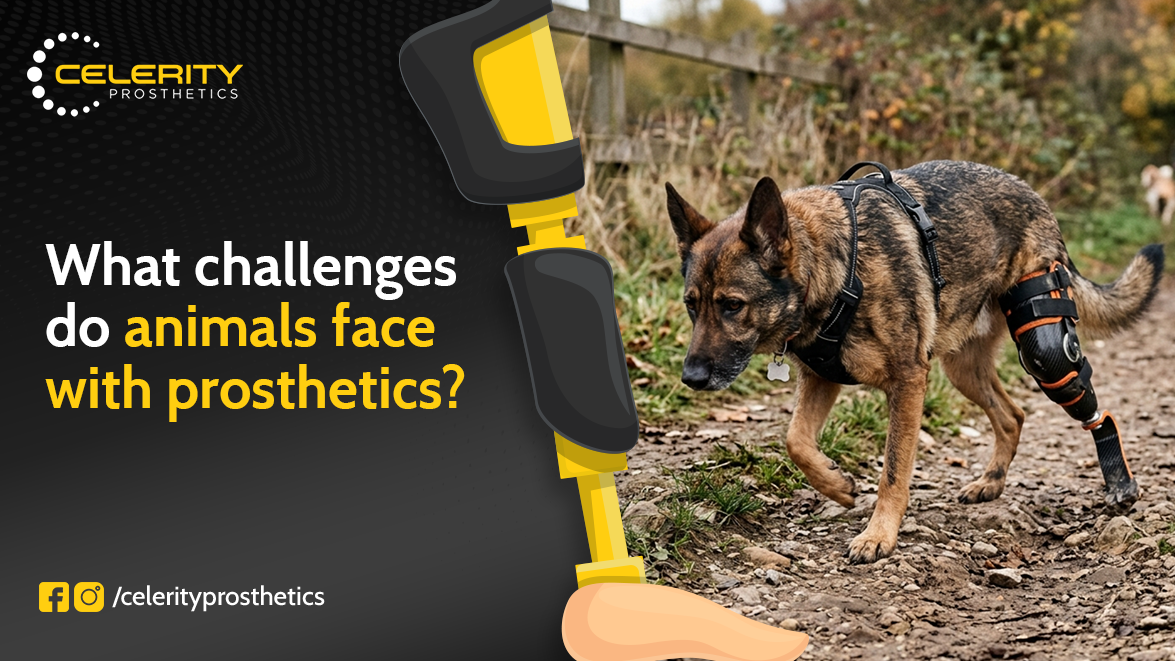
Animals do not always adjust smoothly after getting a prosthetic. Some pets move carefully for weeks while others often get irritable during recovery. You usually hear about balance problems, sore muscles, skin irritation and even walking is more difficult later on. Time is often the best medicine for recovery, although individual results can vary. Good support, patient training and proper fitting often make daily movement easier and help pets feel more comfortable using the prosthetic naturally.
Core Takeaways
- Many animals struggle with balance during early recovery.
- Improper fit may cause rubbing, soreness, and unstable walking.
- Physical therapy often improves strength and confidence.
- Recovery time depends on health, age, and healing progress.
- Regular adjustments help animals move more comfortably over time.
Physical Challenges Animals Face With Prosthetics
Animals usually need time before movement starts feeling normal again. The body must adjust to different weight placement and unfamiliar movement patterns.
Balance and Coordination Problems
Balance feels strange for many animals during the beginning stages. Some pets lean heavily onto healthy legs while standing still. Others wobble slightly while turning or walking across smooth floors. An animal prosthetic leg may change posture at first which can make coordination feel awkward during movement.
Muscle Weakness and Fatigue
Muscle weakness happens pretty often after surgery or long recovery periods. Some animals stop using certain muscles before prosthetic training even begins. Short walks may leave them tired quickly during the first weeks. Strength usually returns slowly through repeated movement and gentle daily activity.
Skin Irritation and Pressure Sores
Skin irritation can appear when the prosthetic rubs against sensitive areas repeatedly. Some pets develop redness after longer walks while others show swelling around pressure points. Moisture buildup sometimes makes irritation worse. Owners usually need to check the skin carefully during early recovery periods.
Joint Stress on Healthy Limbs
Animals tend to rely more on healthy limbs once they have lost part of a leg. Over time, that uneven pressure can kind of stretch joints and nearby muscles. Some pets move stiffly because they are protecting sore areas without their owners realizing it immediately during normal activity.
Problems Caused by Poor Prosthetic Fit
A poor fit creates problems fairly quickly during recovery. Some animals refuse to walk completely, while others move in strange patterns to avoid discomfort. Small fitting problems may look harmless initially, though they often affect balance, stability, and overall confidence during movement.
Discomfort During Walking
Discomfort changes the way animals move almost immediately. Some pets take shorter steps while others hesitate before putting weight onto the prosthetic. Tight areas may create pressure during movement. Loose sections sometimes shift unexpectedly which makes walking feel less stable and predictable.
Rubbing and Skin Injuries
Skin rubbing usually develops after repeated friction during walking sessions. Small sore spots may eventually become painful injuries if ignored too long. Some animals lick irritated areas constantly afterward. Regular skin checks help owners notice early warning signs before more serious irritation develops.
Limited Mobility and Stability
Poor steadiness can end up messing with everyday motion around the house. Some animals struggle when climbing steps, or when walking over uneven ground, like it’s a whole little challenge. Properly adjusted prosthetic animal support makes walking better and the animal seems more self-possessed, because it feels more stable during standing, rotating and the usual walking routines.
Rehabilitation Challenges for Animals With Prosthetics
Rehabilitation takes more patience than many owners expect initially. Animals must rebuild strength, improve coordination, and learn completely different movement habits after prosthetic fitting. Progress usually happens slowly through repeated practice, calm support, and steady routines during everyday recovery sessions.
Learning Weight Distribution
Animals need to gradually retrain their body to distribute weight safely across the body. Several pets overprotect healthy limbs during the early recovery process. If pressure is uneven, soreness may develop later. In controlled movement exercises, posture and walking balance usually improve.
Building Strength and Endurance
Gradually, recovery allows strength to return. Initially, some animals get fatigued after very little movement. Weakened muscles are commonly required to perform gentle tasks so that endurance can be maintained correctly. Controlled movement exercises usually help improve posture and walking balance over time.
Adapting to Daily Movement Activities
After fitting the prosthetic, simple activities sometimes are hard initially. Things like turning around, stair climbing, or standing up from rest positions may need a bit more work. Only some pets adapt remarkably well, while others move around for weeks, barely finding their feet. These routines are often familiar to animals, bringing a sense of comfort during recovery.
How Veterinarians Help Animals Overcome Prosthetic Challenges
Veterinarians usually watch recovery very closely after prosthetic fitting begins. They check walking patterns, skin condition, posture, and healing progress during follow-up visits. These small adaptations often create a significant change in ease. Usually, catching problems early prevents larger movement issues from occurring later.
Depending on the condition of the animal and its mobility, rehabilitation specialists can also prescribe exercises. Some pets need balance training, while others focus more on strength. Because animals adapt to prosthetics at different rates, recovery plans are sometimes modified slightly over time.
- Veterinarians inspect skin irritation during follow-up appointments
- Prosthetic adjustments help improve comfort and walking stability
- Therapy sessions often support balance and muscle recovery
- Specialists monitor posture and movement patterns carefully
- Owners receive guidance for safe recovery support at home
Tips for Supporting Animals During Prosthetic Recovery
Recovery usually goes more smoothly when owners stay calm and patient throughout the process. Rushing movement training often increases stress for nervous animals. Small improvements matter more than fast progress. Daily support and steady routines generally help pets feel safer while adjusting to prosthetic animal limbs.
Some days may look better than others during recovery. That part feels normal for many animals learning new movement patterns. Rest, observation, and gentle encouragement often help more than long, exhausting training sessions.
- Keep early movement sessions short and manageable
- Watch closely for redness or skin irritation afterward
- Use rugs or soft surfaces during indoor walking practice
- Encourage movement gently without forcing long activity
- Schedule regular veterinary and prosthetic follow-up visits
Read Also: How long does it take for animals to learn to walk with prosthetics?
Conclusion
Animals face several challenges while adjusting to prosthetics. Balance changes, sore muscles, skin irritation, and uneven movement often appear during recovery. Some pets adapt quickly while others need extra patience and slower rehabilitation support. Good fitting, steady routines, and careful monitoring usually improve comfort over time. Many animals eventually regain safer movement and stronger confidence through consistent daily support and gradual recovery work. Pet owners looking for personalized mobility support and prosthetic care can also contact Celerity Prosthetics for guidance and treatment options.
FAQs
Do animals struggle to walk with prosthetics?
Yes, many animals struggle during early recovery stages. Walking usually improves gradually through practice, therapy, and proper prosthetic adjustments over time.
Can prosthetics cause pain in animals?
Poor fitting or pressure points may cause discomfort during movement. Regular checkups usually help prevent serious irritation or long-term soreness from developing.
How long does prosthetic adjustment take for animals?
Some animals adjust within several weeks while others need months. Recovery depends on healing, comfort, strength, age, and rehabilitation consistency.
What happens if a prosthetic does not fit properly?
A poor fit may cause rubbing, unstable walking, soreness, or movement hesitation. Specialists usually adjust the device to improve comfort and stability.
Do animals need therapy after getting prosthetics?
Many animals benefit from therapy because it improves strength, coordination, endurance, and walking confidence throughout recovery.
Can older animals adapt to prosthetic limbs?
Yes, older animals can still adapt successfully though they often need slower progress and additional recovery time between movement sessions.