
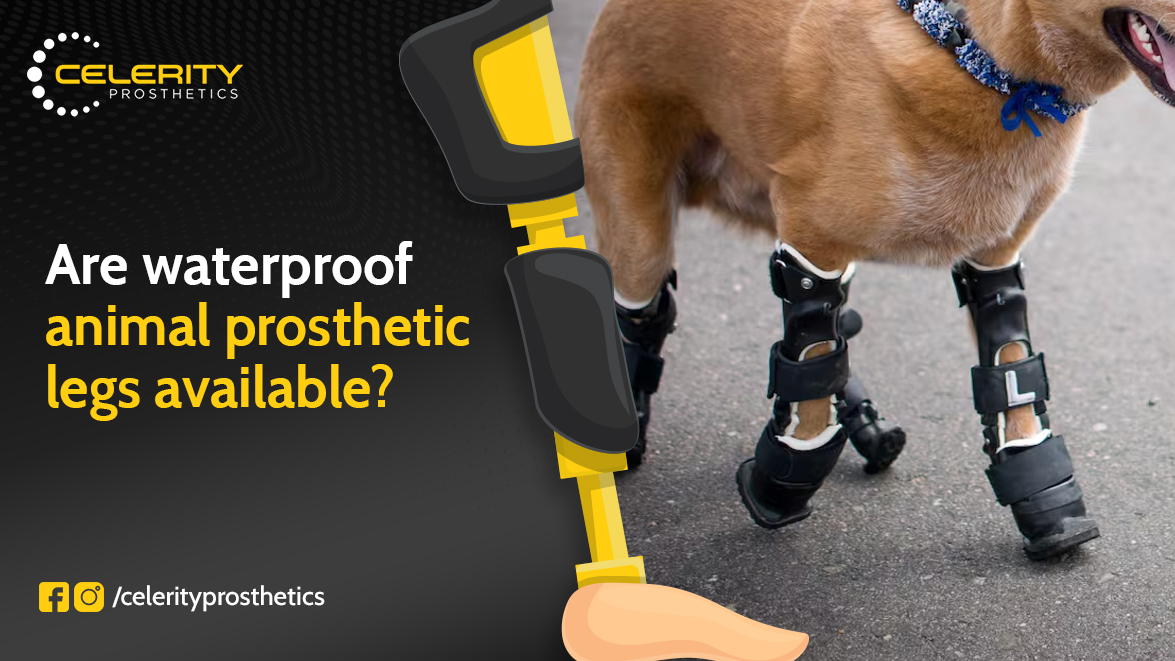
Owners of dogs with limb loss face a real problem when the weather turns wet. Rain, snow and swimming threaten regular prosthetics. This raises an important question: Can you find a waterproof prosthetic device for your furry companion?
| Quick Answer
Custom-made waterproof prosthetics for animals are available now. Sealed materials resist rain, snow and light water. Joints stay functional in wet conditions. Deep swimming requires professional assessment before trying. Different prosthetics react to moisture differently. Work with a certified prosthetist for your pet. They choose the right waterproof option for daily mobility needs. |
Can Animal Prosthetic Legs Be Waterproof?
Yes, they can be waterproof depending on design, materials and usage. Let’s explain what makes prosthetics truly waterproof.
Waterproof means no water enters at all, even under pressure. Water-resistant handles light rain but fails in deep water. The difference comes from sealing techniques and material choice. Most animal prosthetics are water-resistant unless specifically built to be waterproof. True waterproofing requires engineering that blocks water from internal parts. This keeps devices working longer and prevents skin problems from trapped moisture inside.
Benefits of Waterproof or Water-Resistant Prosthetics for Animals
Waterproof prosthetics change daily life for active pets. They let animals move freely without worrying about rain or puddles. Here’s what owners gain when pets use water-tolerant devices.
Outdoor Mobility in Rain or Snow
Animals don’t stop playing when the weather changes. A waterproof prosthetic lets them walk through rain or wet grass without damage. Owners don’t carry pets indoors every time it storms. This freedom keeps dogs active during all seasons. Your dog loves exploring the yard. Water-resistant prosthetics make that possible when conditions get messy, preventing rust from constant moisture exposure outside.
Improved Hygiene and Cleaning
Water-resistant prosthetics make cleaning easier after outdoor adventures. You rinse mud without worrying about internal damage. Trapped moisture causes infections, so sealed devices reduce health risks. Regular washing becomes simple instead of stressful. Just wipe the prosthetic after use. Dry thoroughly before storing. This routine keeps your pet comfortable and prevents bacteria from growing inside the device over time.
Better Lifestyle Flexibility for Active Animals
Active dogs love hiking and yard play. Waterproof prosthetics support that energy without limiting where they go. Owners trust their pet to explore varied terrain. This means fewer missed activities and normal life for animals with limb loss. Your pet joins family outings. They don’t sit behind while everyone enjoys outdoor time, giving peace of mind for owners using pet limb prosthetics daily.
Limitations of Waterproof Prosthetic Limbs For Animals
Even waterproof prosthetics exist, they aren’t perfect for every situation. Understanding limits helps set realistic expectations and avoid mistakes.
Durability Issues in Water Exposure
Constant water exposure weakens joints or adhesives over time. Saltwater and chlorine accelerate wear. Even waterproof models have a shorter lifespan than dry-use prosthetics. Regular checks prevent failures during outdoor activities. Think about how often your pet gets wet. Frequent exposure means faster replacement needs. Plan this when budgeting for long-term pet care costs.
Maintenance Requirements
Waterproof prosthetics need frequent cleaning and inspection. Owners dry devices after wet use and check seals for cracks. Neglecting maintenance leads to hidden damage. Extra care demands time from busy pet owners. Skip drying once and moisture builds inside. Trapped water causes skin irritation. Stay consistent with a daily cleaning routine.
Cost and Customization Limitations
Custom waterproof prosthetics cost more than standard models. The sealing process and specialized materials add up. Many insurance plans don’t cover pet prosthetics at all. The budget limits what owners can afford for pets. A waterproof animal prosthetic costs hundreds extra. Some owners choose water-resistant options instead, balancing cost with real-world performance for daily needs.
Not Suitable for All Animal Types
Some animals have body shapes that don’t support waterproof designs. Small pets or elderly dogs struggle with heavier sealed devices. A prosthetist must evaluate if waterproofing fits the pet’s needs. Weight matters here. Sealed prosthetics add mass. Older dogs might not handle extra load. Younger pets adapt better to waterproof options available.
How Waterproof Animal Limb Prosthetics Are Designed
Building waterproof prosthetics requires careful engineering, testing and custom fitting for safety. Let’s explore how professionals design waterproof prosthetics for animals.
Custom Measurement and Fit
Every prosthetic starts with precise measurements of limb and body weight. A prosthetist maps muscle structure and pressure points. Data ensures the device fits snugly without gaps. A tight fit blocks water naturally. Gaps let moisture inside, causing problems later. Custom measurement prevents issues from the start, giving your pet a device built exactly for body shape.
Weight Distribution and Balance Considerations
Waterproof sealing adds weight to prosthetics. Prosthetists redistribute load so animals don’t favor one side. Proper balance prevents back strain and hip pain. Incorrect distribution causes long-term problems. Pets need natural movement without stress. Balance adjustments keep walking comfortable. This step matters more than owners realize daily.
Waterproof Sealing Techniques
Special adhesives and rubber gaskets keep water out. Heat-molded shells with liners help. The goal is a tight barrier allowing movement. Poor sealing leads to leaks and skin damage. Good sealing keeps prosthetics working through wet conditions. Technicians test seals before assembly, checking weak points that can fail later.
Testing in Wet Conditions
Before giving prosthetics to pets, technicians test in rain and puddles. They check leaks and joint stability. This ensures devices work safely before real use. Testing reveals problems before pets wear them. You avoid costly repairs later. Every waterproof animal prosthetic leg goes through this testing process.
Can Animals Swim With Prosthetic Legs?
Animals can swim with prosthetics but device type matters. Water-resistant models handle shallow pools but submersion risks damage. Custom waterproof prosthetics built for swimming exist, though not all pets use them safely. Swimming stresses joints and limbs. Consult a prosthetist before letting pets swim. They assess fit and safety. Some dogs adapt quickly while others struggle with balancing in water.
Read Also: What is the best prosthetic leg for daily use?
Conclusion
Waterproof pet prosthetic legs exist but custom-made options come with trade-offs. They handle rain well, simplify cleaning and support active lifestyles. However, they cost more, need maintenance and may not fit every animal. Swimming remains risky unless a device is designed specifically. Talk to a certified prosthetist who understands mobility and moisture protection. At Celerity Prosthetics, our team offers custom care, mobile Oklahoma service and animal options for dogs. Contact us to learn how we help pets regain comfort and movement today.
FAQs
How long do prosthetic devices for animals last?
Most pet prosthetics last 1–3 years with regular daily use. Waterproof models wear faster from constant moisture exposure. Proper cleaning and daily checks extend lifespan significantly. Regular maintenance keeps devices working longer.
Can prosthetics be customized for swimming animals?
Custom prosthetics for swimming animals exist with special sealed joints. Buoyant materials help pets stay balanced in water. Standard models risk damage from submersion. A prosthetist designs swimming-safe options matching your pet’s body shape.
Are waterproof prosthetics more expensive?
Yes, waterproof prosthetics are more expensive than regular models. Custom sealing and moisture-resistant materials add to the cost. Most insurance plans don’t cover animal devices. Plan for higher upfront expenses when buying.