
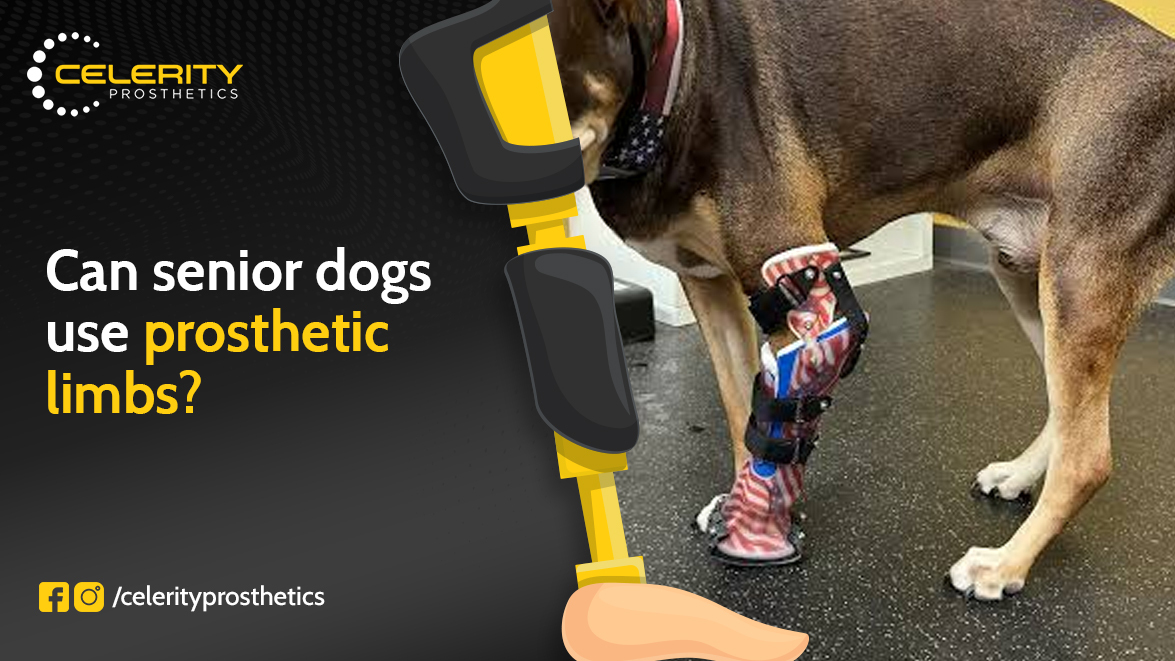
Losing a limb through amputation creates even bigger struggles for older dogs. Many owners wonder if their elderly pet can walk again with help. This raises an important question: Is a prosthetic limb a good option for an older dog?
| Quick Answer
Yes. Senior dogs can use prosthetic limbs if their overall health supports adaptation. Age alone doesn’t block eligibility. Dogs need strong hearts, manageable arthritis and good skin on their residual limb. A veterinary exam and prosthetics specialist determine suitability. Custom fitting and rehabilitation improve outcomes. Many older pets walk better with proper support. Your aging dog may use prosthetic limbs successfully with careful planning and patience. |
Are Senior Dogs Eligible for Prosthetic Limbs?
Senior dogs are eligible for prosthetic limbs if their health supports adaptation. Age alone doesn’t disqualify them from using devices. Dogs need decent heart function and manageable pain levels. Healthy skin on the residual limb prevents complications. A prosthetist evaluates strength, balance and willingness to adapt. Many older dogs succeed with proper support. Custom fitting makes a huge difference for success. Your senior pet might walk better with an animal prosthetic leg designed for specific needs and body shape.
Challenges and Limitations for Senior Dogs
Senior dogs face unique hurdles when using prosthetics. Age-related health issues make adaptation harder than in younger pets. Understanding challenges helps you set realistic expectations.
Reduced Muscle Strength and Joint Flexibility
Older dogs lose muscle mass over time naturally. Weak muscles struggle to support prosthetic weight during walking. Stiff joints limit natural movement range significantly. Strength-building exercises before fitting improve outcomes. Without prep work, senior pets may refuse device use. Weakness makes daily walking much harder.
Existing Health Conditions Like Arthritis or Hip Dysplasia
Arthritis and hip dysplasia cause pain worsening with prosthetic use. Additional weight on one limb stresses other joints badly. Pain management becomes essential before and after fitting. Some dogs need medication adjustments for comfort. Untreated conditions reduce success rates for older prosthetic animals significantly.
Slower Adaptation and Learning Curve
Senior dogs adapt more slowly than younger pets to new devices. Learning to walk with a prosthetic takes weeks or months. Older brains process changes differently than young dogs. Patience from owners matters greatly during training. Rushing the process causes frustration and device rejection quickly.
Skin Sensitivity and Pressure Sores
Older dogs have thinner, more sensitive skin prone to sores. Prosthetic fit must be perfect to avoid irritation problems. Even small bumps can cause wounds quickly on aging skin. Regular monitoring prevents serious skin damage from occurring. Moisture and friction worsen problems in sensitive skin.
Lower Energy Levels and Fatigue
Senior dogs tire faster than younger pets during activity. Walking with a prosthetic demands extra energy constantly. Fatigue limits daily walking distance significantly for owners. Owners may need to shorten outings regularly. Rest breaks become necessary throughout the day.
Increased Need for Rehabilitation Support
Older dogs require more rehabilitation support than younger pets. Physical therapy builds strength and improves balance effectively. Massage and heat therapy reduce stiffness in joints. Professional guidance ensures safe progress during recovery. Without rehab, prosthetic use often fails for seniors.
Evaluation Process Before Getting a Prosthetic
Before fitting a senior dog with a prosthetic, detailed evaluation ensures safety and success. Multiple tests and consultations determine if your pet is ready.
Initial Veterinary Examination
A vet checks overall health, including heart, lungs and organs. They assess whether surgery or amputation recovery is complete. Blood work reveals hidden issues affecting prosthetic use. Only healthy dogs proceed to prosthetic evaluation.
Medical History Review
Doctors review past illnesses, surgeries, and medications carefully. Chronic conditions like diabetes can affect healing and adaptation to prosthetic animal limbs. Allergies to materials also influence socket design choices. History guides custom decisions for safety during use.
Imaging and Diagnostic Tests
X-rays show bone structure and joint health clearly. Scans reveal arthritis severity or bone damage levels. Imaging helps prosthetists design a proper fit for dogs. Accurate diagnostics prevent future complications during walking.
Gait and Mobility Analysis
Specialists observe how dogs walk before fitting begins. They note weight distribution and balance issues carefully. Video analysis tracks movement patterns over time. This data informs prosthetic design for better stability.
Physical Strength and Endurance Testing
Vets test muscle strength and walking endurance levels. Dogs walk short distances to measure fatigue quickly. Weakness indicates need for pre-conditioning therapy work. Strength levels predict prosthetic success for older dogs.
Skin and Limb Condition Assessment
Prosthetists examine residual limb skin for scars or irritation. Healthy skin prevents pressure sores during prosthetic use. Rough or thin skin requires special padding choices. Condition determines socket material selections for comfort.
Suitability and Risk Assessment
Doctors calculate success probability versus risks carefully. High-risk patients may skip prosthetics entirely. Low-risk dogs proceed to fitting with confidence. Honest assessment prevents wasted money and disappointment.
Consultation with a Canine Prosthetics Specialist
A specialist discusses options, costs and timeline clearly. They explain the custom fitting process step by step. Realistic expectations prevent frustration during training periods. Specialist expertise ensures proper device selection works.
When Prosthetics May Not Be Suitable
Not all senior dogs are good candidates for prosthetic limbs. In some cases, alternative mobility support is more effective.
Prosthetics may not be recommended when:
- Severe, uncontrolled arthritis in multiple joints
- Advanced heart or respiratory disease limiting activity
- Neurological disorders affecting balance or coordination
- Severe obesity increasing joint load beyond safe thresholds
- Poor skin integrity or chronic wound risk at the residual limb
- Multiple limb weakness or degenerative conditions
In these cases, mobility solutions like wheelchairs or supportive harnesses often provide better comfort and quality of life.
Alternatives if Prosthetics Are Not Suitable
If prosthetics aren’t right for your senior dog, other options still improve mobility and comfort effectively.
- Wheelchair carts support rear legs and let dogs walk normally without prosthetic weight. They reduce joint strain while maintaining activity levels well.
- Slings and harnesses help owners lift weak dogs during walks easily. These provide support without permanent devices attached to limbs.
- Pain management therapy, including medication, acupuncture or laser treatment, reduces discomfort. Better pain control improves daily movement naturally without devices.
- Home modifications like ramps, orthopedic beds and non-slip rugs make living easier. These changes help aging dogs navigate spaces safely daily.
- Physical therapy exercises build strength and flexibility without prosthetics. Swimming, stretching and balance work maintain mobility long-term.
Read Also: Are waterproof animal prosthetic legs available?
Conclusion
Senior dogs can use prosthetic limbs if their health supports adaptation properly. Age alone doesn’t block eligibility but arthritis, weak muscles and low energy create challenges. Proper evaluation through vet exams, imaging and specialist consultation determines success rates. Rehabilitation support and custom fitting improve outcomes significantly for older pets. If prosthetics aren’t suitable, wheelchairs, slings, pain therapy and home changes offer good alternatives.
Every senior dog needs individual assessment before starting. At Celerity Prosthetics, our team provides custom prosthetic care, mobile service across Oklahoma. Contact us now to learn how we can help older pets regain comfort and movement today.
FAQs
Can a 10+ year old dog get a prosthetic limb?
Yes. Dogs over 10 years old can get prosthetics if their health is good. Age doesn’t disqualify them from using devices. Heart function, skin condition and pain levels matter more than birth date.
How long does it take for a senior dog to adapt?
Senior dogs adapt in 4–12 weeks typically. Older pets take longer than younger dogs naturally. Patience, physical therapy and proper fit speed up the process.
Are prosthetics painful for dogs?
Well-fitted prosthetics shouldn’t cause pain during walking. Poor fit creates pressure sores on the skin. Regular adjustments prevent discomfort for dogs. Most pets adapt comfortably within weeks.