
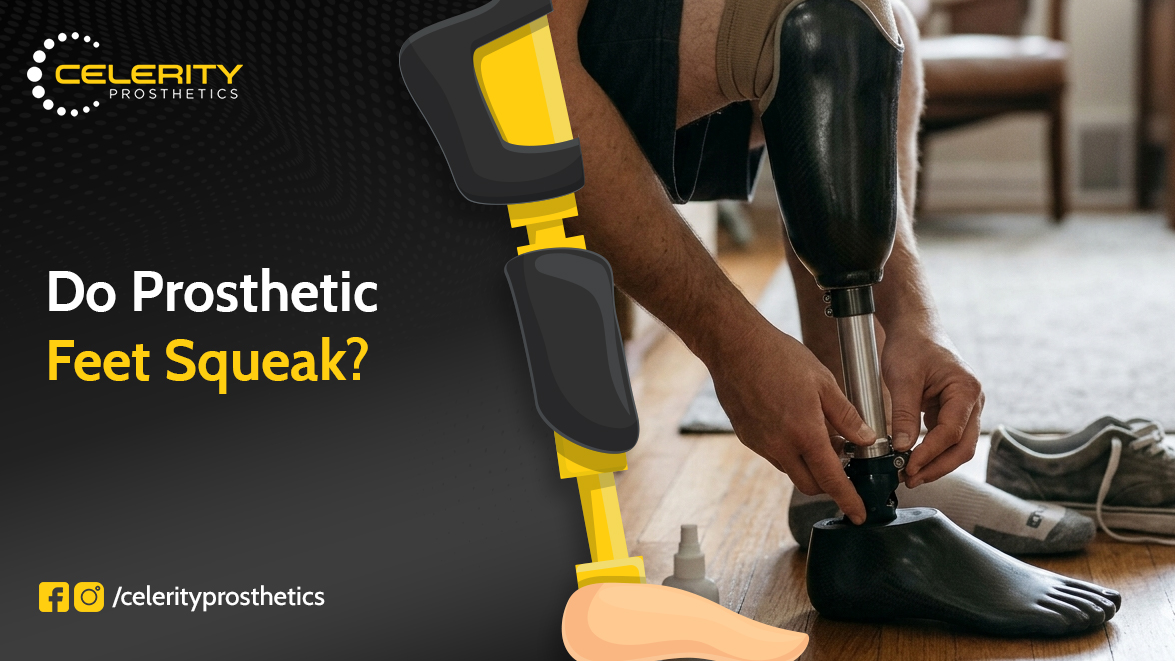
Yes, prosthetic feet can squeak. The noise may come from friction between components, a loose connection, a worn foot shell, trapped debris, or footwear that rubs against the prosthesis. Some squeaks are minor, but persistent or unusual noises may indicate a mechanical or fit-related problem. If the noise continues, changes suddenly, or comes with discomfort or instability, have your prosthesis checked by a prosthetist.
Quick Answer
Prosthetic foot squeaking usually comes from friction between parts, loose connections, a worn foot shell, dirt around the components, or footwear that rubs against the prosthesis. Cleaning accessible exterior surfaces and checking your shoes may help identify simple causes. A prosthetist can inspect the components, check alignment, and determine whether anything needs adjustment or replacement. See a prosthetist if the noise is loud, keeps coming back, starts after an adjustment, or comes with pain or unsteady walking.
Why Do Prosthetic Feet Squeak?
A prosthetic foot has several parts that work together with every step. Anything that rubs, shifts or collects grit can make noise. These are some common causes.
Loose Components or Connections
A prosthesis is made of connected pieces, including the foot, adapter, pylon, and socket. If a connection loosens even slightly, the parts can shift against each other as you walk. That movement may produce a squeak, click, or creak. Loose parts can also affect how the prosthesis feels and performs. Don’t tighten anything yourself, since alignment hardware needs a trained hand and the right tools.
Friction Between Prosthetic Parts
Friction between two surfaces can produce sound. This can occur at a joint, where a foot shell meets the foot, or where a cover rubs against another component. The noise can become more noticeable as parts wear or their contact changes. Some prosthetic feet have moving components that can also produce noise if they become worn or need adjustment. A prosthetist can inspect the components, identify the likely source, and recommend an appropriate repair.
Worn Foot Shells
Many prosthetic feet have a cosmetic shell that covers the internal foot components. Over time, that shell can wear, crack, or become loose. A loose shell may rub against the foot underneath and squeak with each step. If the shell looks damaged or no longer fits properly, it may need replacement. A prosthetist can check whether the shell is causing the noise and whether it needs replacing.
Dirt or Debris Inside the Prosthesis
Sand, dust, and small bits of grit can collect around prosthetic components. Once trapped between surfaces, they may cause friction and noise. Beach trips, dirt paths, construction sites, and gardens can expose a prosthesis to debris. Moisture can also make dirt harder to remove and contribute to buildup around components. Regular cleaning of accessible surfaces helps prevent debris from accumulating. Follow your prosthetist’s cleaning instructions rather than taking the prosthesis apart.
Changes in Fit or Alignment
Your body changes over time. Weight shifts, swelling, and muscle changes can alter how the socket fits. Following a proper prosthetic care routine can help maintain comfort and device performance. Your walking pattern can also change. When fit or alignment changes, the prosthesis may respond differently to movement and pressure. These changes can affect how components interact and may contribute to unusual sounds. A new squeak is worth mentioning to your prosthetist, even if nothing hurts yet.
How Can You Stop a Prosthetic Foot From Squeaking?
Some causes may be easy to identify, while others need professional attention. Start with simple external checks and don’t take the prosthesis apart on your own.
Check for Loose or Worn Parts
Look over the visible parts of your prosthesis. Check for cracks, gaps, shifted covers, or signs of wear. Listen as you step to figure out where the sound comes from. Note when it happens, such as at heel strike or push-off. That detail helps your prosthetist identify the problem. If you find something loose, don’t force it. Leave the adjustment to a professional.
Clean the Foot Shell
A gentle cleaning can remove grit and moisture that cause noise. Follow your prosthetist’s or the manufacturer’s care instructions. If the care instructions allow, wipe the shell and visible surfaces with a damp cloth, then let everything dry fully. Avoid harsh chemicals or strong solvents. Don’t spray lubricant into the foot unless your prosthetist tells you to. The wrong product can damage materials or attract more dirt. Do not remove the foot shell unless your prosthetist has shown you how to do so safely.
Inspect Shoe Fit and Compatibility
Sometimes the noise isn’t coming from the prosthesis itself. A shoe that’s too tight, too loose, or the wrong heel height can rub against the foot shell. Worn insoles and stiff soles can also contribute to squeaking. Try a different pair only if it is compatible with your prosthetic setup and see if the sound changes. Bring your usual shoes to appointments so your prosthetist can check how they work with your foot.
Schedule a Prosthetic Adjustment
If cleaning accessible surfaces and checking your footwear don’t help, book a visit. prosthetist can inspect the components, tighten connections correctly, replace worn shells, and check alignment as part of professional lower extremity prosthetic care. The repair needed will depend on the source of the noise. Describe the sound, when it happens, and how long it has been going on.
When Should You See a Prosthetist About Squeaking?
A little noise isn’t always urgent. Some signs, though, mean it’s time to get the prosthesis checked.
Persistent or Loud Squeaking
A squeak that disappears after cleaning may be related to debris. However, recurring noise should be evaluated by your prosthetist. One that’s loud, constant, or keeps returning deserves attention. Persistent noise may mean a part is loose, worn, or misaligned. Ignoring the problem could allow component wear to worsen.
New Sounds After an Adjustment
If a noise starts right after a repair or adjustment, call your prosthetist. It may involve a component that needs further adjustment. It could also mean something wasn’t seated correctly. Your prosthetist should know about any new noise after an adjustment and can determine whether further work is needed.
Squeaking With Pain or Discomfort
Noise together with pain, pressure, or rubbing on your residual limb is a clear reason to book a visit soon. It can signal a fit or alignment problem that affects your comfort and skin health. New pain or discomfort may indicate a fit or alignment issue. Don’t wait for the next scheduled appointment if the discomfort is new or getting worse.
Changes in Walking Stability
If your leg feels less steady, your gait feels different, or you notice more wobble, get it checked promptly. Instability combined with noise may point to loose components or alignment changes. These can affect balance and safety. Avoid walking on the prosthesis if it feels unsafe or unstable. Contact your prosthetist for guidance before continuing activities that could increase your fall risk.
How Can You Prevent Prosthetic Foot Noise?
You can reduce the chance of noise with simple care habits. Regular cleaning and inspection can help prevent debris buildup and identify wear.
Keep the Prosthesis Clean
Wipe down the foot and shell regularly, especially after exposure to sand, mud, water, or sweat. Dry it completely before storing it. Clean the area where the shoe meets the foot too. Following the cleaning guidance from your prosthetist and these prosthetic limb maintenance tips helps keep materials in good condition and prevents grit from building up around accessible surfaces.
Check Components Regularly
Make it a habit to go over your prosthesis. Check the foot shell, the visible joints, and any cosmetic covers. Be aware of any small changes in the way it sounds or feels. Look out for cracks, loose covers, or any odd movement, but don’t go near the hardware orand try to fiddle with it. Reporting any changes early will help your prosthetist catch problems before they start to affect your performance.
Wear Compatible Footwear
Choose shoes that fit well and match the heel height your foot was set up for. Replace any worn-out shoes and insoles. Avoid any footwear that rubs on the shell or squeezes the foot. If you’re going to switch between different types of footwear, get advice from your prosthetist on how that might affect your alignment and comfort.
Follow Maintenance Recommendations
Your prosthetist and the component manufacturer will give you guidance on care and service. Follow those recommendations to help maintain your prosthesis. Keep to routine checkups, even if nothing seems wrong, and follow a consistent prosthetic care routine. Routine visits help identify wear before it affects performance. If there’s any change in fit, weight, or activity level, let your prosthetist know. These changes may affect how your prosthesis fits and functions.
Conclusion
A squeaky prosthetic foot can be frustrating, but it doesn’t always indicate a serious problem. Common causes include friction, loose connections, a worn foot shell, trapped debris, or incompatible footwear. Clean accessible surfaces, check your shoes, and keep up with routine maintenance. See a prosthetist when the noise is loud, starts after an adjustment, or comes with pain or instability. Identifying the cause early can help prevent further wear and keep your prosthesis functioning properly.
Has your prosthetic foot started making unusual noises? Contact Celerity Prosthetics to discuss your concerns and arrange a professional evaluation. Our team can help assess your prosthesis and determine the next steps for addressing the noise and improving your comfort.