
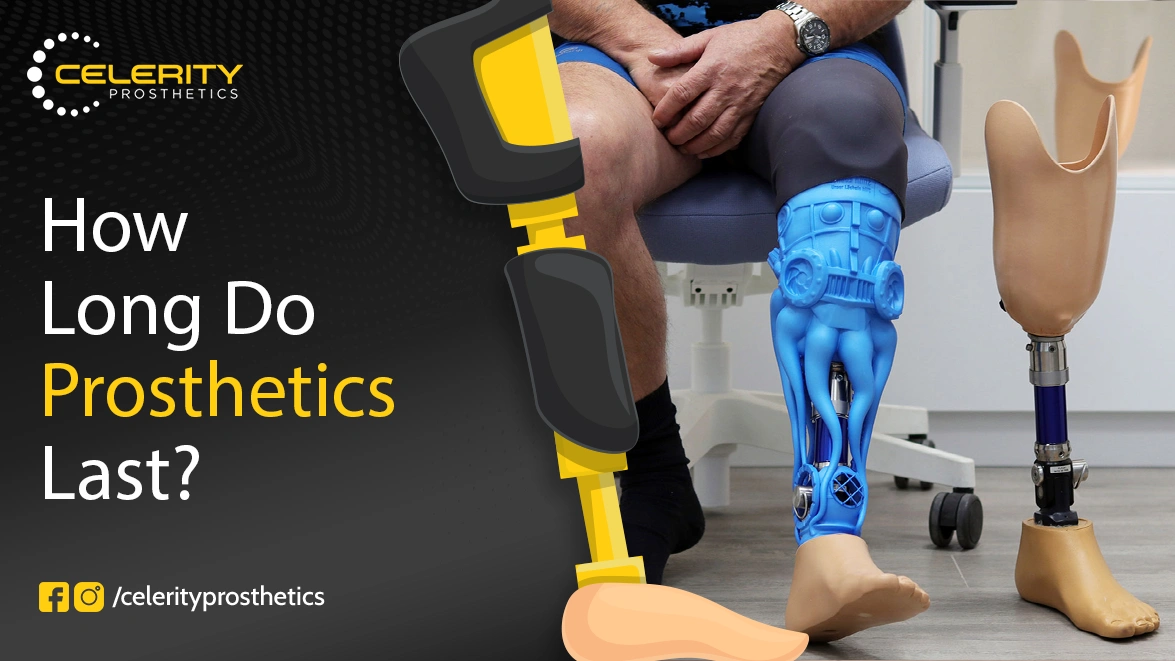
Losing a limb is a profound change, but with prosthetics, many reclaim movement, dignity, and the confidence to fully engage with life again. Prosthetics can last anywhere from a few months to several years. On average, most prosthetic sockets and components last about 3–5 years.
However, children and active adults often need replacements every 1–2 years, while the first temporary device after surgery may only last 6–12 months. Many factors affect the lifespan, but, with the right care, prosthetics can last for years. So, if you’re wondering how long prosthetics last, the answer depends on lifestyle, age, and proper maintenance.
Average Lifespan of a Prosthesis
On average, prosthetics last between 3 and 5 years. The socket, which connects the device to the residual limb, often needs to be replaced more frequently however. This is because body shape and weight can change over time, making the fit less secure.
Children who are still growing may need new prosthetic limbs every year or two. Active users, like athletes, may also wear out their devices faster than others. While some high-quality prosthetics can last longer, most users should expect socket re-fits and, when needed, component replacement within this time frame.
Lifespan of Prosthetics by Age Group
While many factors play a role, age is one of the most important. Children, adults, and seniors often have different timelines for replacement. The table below gives a clear idea of how long prosthetics may last for each age group:
| Age Group | Average Lifespan of Prosthetic | Reason for Replacement |
| Children (0–17 years) | 1–2 years | Rapid growth, body changes |
| Young Adults (18–35) | 3–5 years | High activity, sports, and work stress |
| Adults (36–60) | 3–5 years | Moderate activity, weight changes |
| Seniors (60+) | 4–6 years | Lower activity, slower body changes |
This table gives only a general idea. Each person’s needs are different, and factors like activity level, environment, and prosthetic type can change the actual lifespan.
What Factors Affect the Lifespan of Prosthetics?
The lifespan of a prosthetic depends on many things. Age is one of the biggest factors. Children outgrow their devices quickly, while adults may use the same one longer. Activity level also matters; someone who runs or plays sports will need more frequent replacements than someone who uses a prosthetic mainly for walking. Below are the most common factors that affect how long a prosthetic will last:
1. Material Quality
The type of material used in making a prosthetic plays a big role in durability—stronger materials like carbon fiber or titanium usually last longer than plastics or lighter metals. Choosing a higher-quality material may cost more at first, but it can reduce the need for frequent replacements.
2. Environment
The conditions a prosthetic is exposed to also affect its life. Moisture, heat, cold, and dust can weaken the parts over time. For example, a person living in a humid or coastal area may see faster wear and tear than someone in a dry climate. Protecting the prosthetic from harsh environments helps it last longer.
3. Body Changes
Weight, muscle size, or swelling changes can impact the socket’s fit. Even small changes in body shape can make a prosthetic uncomfortable or less effective. The user may need adjustments or a replacement sooner when the fit is poor.
4. Frequency of Use
How often the prosthetic is worn also affects its durability. A person who wears their device daily will naturally put more strain on it than someone who uses it only a few hours a week. Constant use means parts like joints and sockets wear out faster.
5. Type of Prosthetic
Not all prosthetics are built the same way. A basic prosthetic leg designed for walking may last longer than a high-performance running blade, which takes on greater stress. Similarly, prosthetic arms with advanced electronic features may need more frequent servicing to maintain good condition.
6. Maintenance and Care
Prosthetics need regular check-ups and cleaning to work their best. Without proper care, even a high-quality device can wear out early. Small issues such as loose screws and liners/sleeves can turn into big problems if ignored. Regular maintenance from a prosthetist can add years to the life of the device.
7. User Lifestyle
Lifestyle habits also make a difference. People who play sports, do heavy work, or spend a lot of time outdoors may need replacements more often. On the other hand, people with less active lifestyles may find their prosthetics last closer to the 5-year mark.
8. Technological Updates
As technology improves, many users choose to upgrade their prosthetics even if their current one still works. Newer models may offer better comfort, lighter weight, or advanced features. While this does not shorten the device’s lifespan, it is another reason why prosthetics may be replaced sooner.
Conclusion
Prosthetics play a vital role in helping people move and live independently. However, their lifespan is not the same for everyone. On average, most prosthetics last about 3–5 years, but children may need new ones every 1–2 years, and the first preparatory device lasts about 6–12 months. Regular maintenance, proper care, and choosing the right device for activity level can make a big difference.
If you or a loved one needs a well-fitted, durable prosthetic, contact Celerity Prosthetics today and get the support you deserve.