
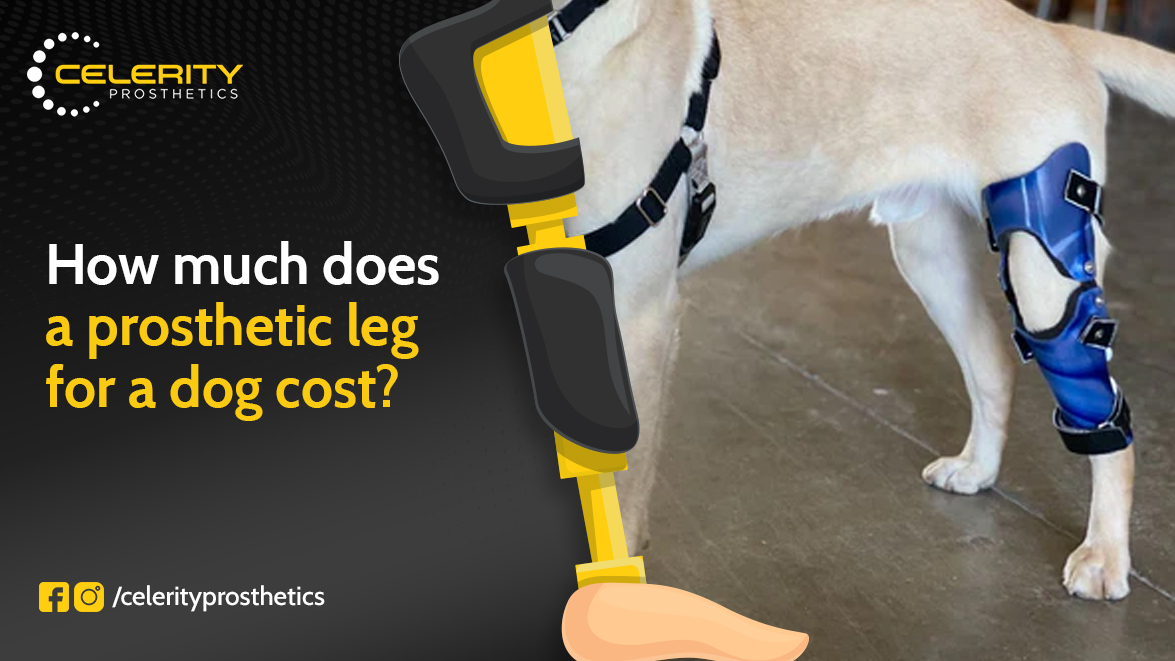
Dog owners face scary costs when their pet loses a leg. Prosthetic prices vary wildly depending on several factors. Some owners pay a few hundred dollars while others spend thousands. This naturally leads to an important question: what does a prosthetic leg for a dog cost?
| Quick Answer
You’ll pay between $300 and $3,500+ for a quality dog prosthetic leg based on size, type and customization level.
Disclaimer: These prices are general estimates only not final quotes. Each dog’s case differs. Contact a prosthetics professional near you for an exact quote customized to your pet’s unique needs. |
Average Cost of a Dog Prosthetic Leg
Dog owners pay different amounts for prosthetic legs based on size, type and quality. Most pets need somewhere between $800 and $2,500 for proper functional support. Your final cost depends heavily on what your dog actually needs.
- Simple functional prosthetics: $800-$1,500
These mimic real leg movement well enough for daily walking. Good for senior dogs or pets with low activity levels.
- Custom fitted prosthetics: $1,500-$3,500
Made specifically for your dog’s body shape and size. Perfect fit prevents skin irritation and improves walking comfort significantly.
- Advanced high-performance models: $3,000-$5,000+
Carbon fiber with shock absorption for active dogs. Built for running, jumping and high-energy activities daily.
Your dog’s size and injury type heavily influence the final price you’ll pay. A small terrier needs totally different materials than a giant Great Dane.
Key Factors That Affect the Cost
Multiple things determine what you’ll actually pay for your dog’s prosthetic leg. Understanding these factors helps you budget properly and choose the right option for your pet’s specific situation and needs.
Type of Prosthetic Limb Needed
Different prosthetic types serve different purposes. Functional prosthetics mimic real movement for walking. Advanced models with shock absorption work better for active dogs. Running or sports-specific designs cost the most for high-performance needs. Your dog’s activity level determines which type works best.
Dog Size, Weight and Breed
Size matters hugely for prosthetic cost and design. Small dogs under 20 pounds need lighter materials that cost less. Medium dogs 20-60 pounds require stronger builds for support. Large dogs over 60 pounds need heavy-duty prosthetics with extra durability. Giant breeds need maximum weight support, pushing prices significantly higher.
Level of Amputation or Injury
Where the injury happens changes everything about prosthetic complexity. Partial leg losses need simpler designs costing less money. Complete limb amputations above the elbow or knee require complex engineering. Shoulder or hip level amputations are toughest, needing advanced support systems. Higher amputation levels mean more customization work and higher prices.
Custom vs Prefabricated Prosthetics
Custom-made prosthetics fit your dog perfectly but cost more overall. Prefabricated options come in standard sizes, cheaper initially. However off-the-shelf models often don’t fit well, causing discomfort. Custom prosthetics prevent skin irritation and improve walking comfort daily. Your dog’s long-term happiness matters more than saving money upfront.
Materials and Technology Used
Material choices dramatically affect both price and longevity. Basic plastic and fabric prosthetics cost less but wear quickly. Carbon fiber legs are lightweight, strong and last longer. Aluminum frames with shock absorbers handle daily stress better. Advanced polymers with flexible joints push costs higher but perform better long term.
Veterinary and Specialist Fees
Professional fees add noticeably to your total prosthetic cost. Certified prosthetists charge per consultation session for fittings. Veterinary specialists bill for initial assessments and medical evaluations. Some clinics include fitting fees in the prosthetic price already. Others charge separately per visit. Always ask about all fees before committing.
Additional Costs to Consider
The prosthetic price itself isn’t your only expense. Several associated costs come up during the process. Budgeting for these extra items prevents financial stress and ensures your dog gets complete care throughout the entire journey.
Veterinary Consultation and Diagnosis
Before getting a prosthetic, your dog needs a medical evaluation first. Initial veterinary consultations cost money depending on your location. Diagnosis of the injury requires thorough examination by qualified professionals. Some vets recommend specialist referrals, adding more expense to the total. These upfront costs ensure your dog’s condition supports prosthetic use safely.
Imaging Tests (X-rays, CT scans)
Imaging helps prosthetists design the perfect fit for your dog. X-rays cost per set depending on how many images are needed. CT scans provide 3D bone details for complex cases accurately. MRI scans for soft tissue assessment reach higher prices overall. These tests aren’t always necessary but help create better prosthetics.
Follow-up Adjustments and Repairs
Dog prosthetics need maintenance over time to keep working properly. Annual check-ups cost per visit for professional evaluation work. Socket replacements happen every year or two as materials wear. Strap repairs or replacements cost less for minor fixes needed. Major component failures might reach higher prices for complete replacements.
Fitting and Customization Sessions
Getting the prosthetic right takes multiple visits over time. Initial fitting sessions cost per appointment depending on provider fees. Customization adjustments require several sessions for perfect alignment work. Some providers bundle fitting into the prosthetic price already. Others charge separately per visit. Patience during this process ensures your dog walks comfortably without pain.
Rehabilitation and Physical Therapy
Your dog needs to learn to use the new leg properly. Physical therapy sessions cost per hour depending on therapist rates. Most dogs need multiple sessions over several months for success. Total rehab costs range widely based on location and duration. Some insurance plans cover part of these therapy expenses monthly.
Are Expensive Prosthetics Always Better?
Not necessarily. Expensive prosthetic legs for dogs offer advanced features but cost more isn’t always right for every dog. A $4,000 carbon fiber leg with shock absorption sounds amazing until you realize your senior dog just needs basic mobility support. Simple $1,200 prosthetics work perfectly for many pets. The best choice matches your dog’s actual activity level and needs, not the highest price tag you can find.
Your dog doesn’t care about fancy features. They care about comfort and walking without pain. Mid-range options often provide the sweet spot between quality and value. Spend money on proper fit and good materials rather than unnecessary tech additions.
Conclusion
A prosthetic leg for your dog typically costs $800 to $2,500 for quality functional options. Basic carts start around $300 while premium custom models reach $3,500-$5,000. Your final price depends on dog size, injury type, prosthetic material and needed professional services. Don’t forget additional costs like vet visits, imaging fitting sessions and rehabilitation therapy. These add $1,000-$2,500 sometimes. The cheapest option isn’t always best for long-term comfort. Invest in proper fit and quality materials your dog can use daily without pain.
Celerity Prosthetics specializes in custom prosthetics with personalized care and mobile service, bringing expertise right to your home. Contact us now and get your exact quote today.
Read Also: Can senior dogs use prosthetic limbs?
FAQs
What is the cheapest dog prosthetic option?
Wheeled cart devices cost the least at $300-$800. These help mobility but don’t replace actual leg function. Simple prefabricated prosthetics start around $600-$1,000 for basic models.
How long does a dog prosthetic last?
Quality prosthetics last 1-3 years with proper care. Small dogs typically use them longer than large breeds. Regular maintenance and socket replacements extend lifespan significantly.
Can all dogs get prosthetic legs?
Most dogs can use prosthetics if they’re healthy enough for surgery and rehabilitation. Age, weight and overall condition matter. Your vet determines prosthetic suitability for your specific pet.