
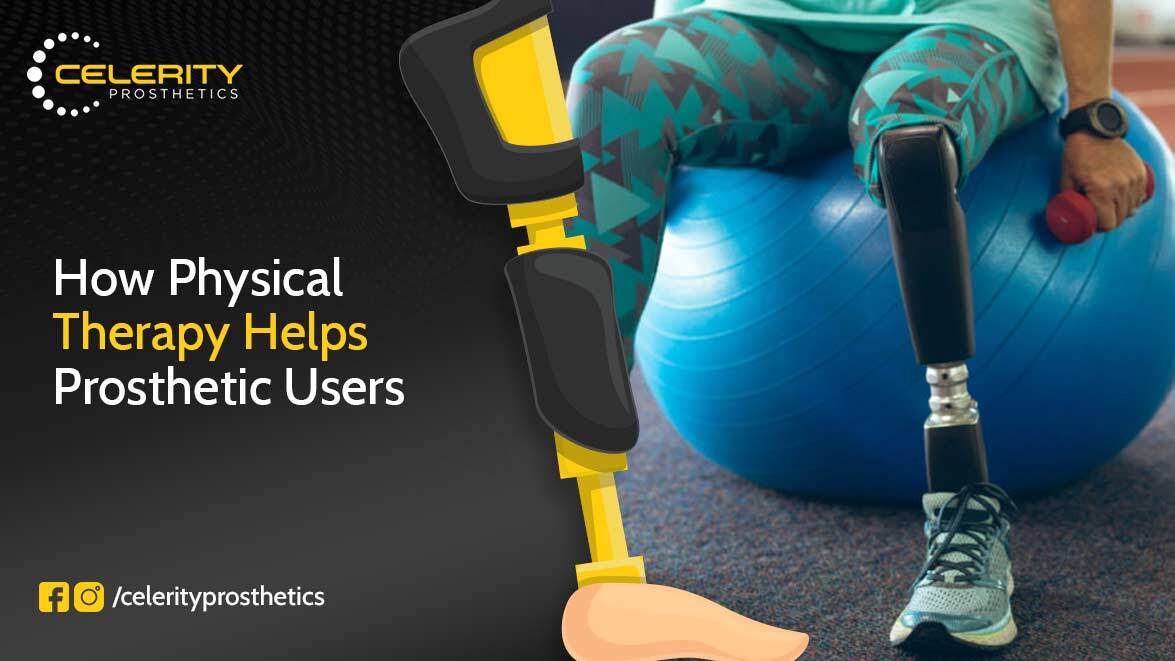
So, you just got your new artificial limb. That is a massive milestone. You should absolutely celebrate it. But honestly? Strapping it on is just the opening page of a brand-new chapter. Your body still has to figure out how to balance, lean, and move with a brand-new piece of gear.
That is where a physical therapist comes in. Think of them as your personal movement coach. They build the bridge that takes you from sitting in a clinic chair to walking down your driveway completely naturally. By pairing a well-made device with a smart, customized movement plan, you can get your old confidence back and keep your body clear of unwanted aches and pains.
Looking for a prosthetic solution to your lifestyle? Schedule a consultation with our experienced prosthetists today.
Key Takeaways
- Custom exercises build up the key muscle groups you need to swing and move your new limb without wearing yourself out.
- Working on your walking stride early keeps your good knee, hip, and lower back from taking on too much harsh pounding.
- Regular visits give you an extra pair of eyes to watch for rubbing, raw spots, and skin pinching around the plastic cup area.
- A therapist can spot tiny movement issues and tell the builder exactly where your device needs to be tweaked or padded.
10 Ways Physical Therapy Supports Your Recovery
Getting your independence back takes some regular practice and a bit of equipment fine-tuning. Let’s look at ten simple reasons why having a movement expert on your side changes the whole game.
1. Rebuilding Lost Muscle Strength
After a major surgery, you naturally spend a lot of time resting in bed or on the couch. The trouble is, your main supporting muscles can get weak pretty fast when they aren’t working every single day. If you don’t intentionally wake those muscles back up, moving around with an artificial limb is going to feel like dragging a heavy sandbag. Therapists know how to target your core and your hips with simple, repetitive exercises. This gives your body the raw power it needs to lift and swing your new gear without breaking a sweat.
2. Learning Your Natural Walking Stride
Walking is something most of us never thought twice about, but it is actually a massive chain reaction of balance and timing. When you first stand up on a custom artificial limb, your brain gets a bit confused about where your new foot is. Walking practice in a therapy gym teaches you how to step evenly, roll through your stride, and shift your weight from side to side. Catching bad habits early stops you from developing a heavy limp that could eventually throw your entire spine out of whack.
Recovering after an injury? See how our traumatic limb loss prosthetic services help restore mobility and confidence.
3. Finding Your Center of Gravity
Every single time you lean over, reach for a coffee mug, or turn around, your abdominal muscles are working behind the scenes to keep you upright. Losing a limb shifts your natural weight distribution, which can make you feel pretty wobbly when you first stand up. Therapists use foam pads, balance boards, and simple shifting games to retrain your brain. Getting that internal stability dialed in gives you the confidence to stand up in a crowded room or walk across a dark hallway without worrying about taking a spill.
4. Keeping Your Healthy Joints Safe
When one side of your body goes through a major change, your first instinct is to start leaning heavily on your remaining natural leg or arm to do all the heavy lifting. But if you let your good side do double duty for months on end, you are going to end up with a worn-out knee, a painful hip, or a constantly aching lower back. If you want to keep your skeletal health in good shape, finding a trusted prosthetic company near me ensures someone is watching your posture from day one. Your therapist will make sure you split your effort fifty-fifty so you aren’t punishing your healthy joints.
5. Managing Daily Limb Swelling
For a long time after your surgery, your limb is going to change size throughout the day because of natural fluid shifts. One day it might feel a little thick, and the next day it might slide right into the device. This constant back-and-forth makes it tough to get a consistent fit against your skin. Therapists are experts at using compression sleeves, special wraps, and targeted movements to pump that extra fluid away. Keeping the size steady means your equipment fits comfortably from morning until night.
6. Catching Skin Irritation Early
Human skin was never originally designed to be positioned inside a tight, sealed plastic socket or to bear the full weight of your body. Friction, trapped sweat, and tight pressure points can cause painful blisters, raw sores, or deep bruising before you even realize what happened. Therapy sessions double as an early warning system for your skin. Your therapist will check your limb at every visit and teach you how to use simple things, like extra socks or gel liners, to stop a tiny red mark from turning into a major medical headache.
7. Dealing with Weird Nerve Sensations
It is incredibly common to feel strange tingling, burning, or real aches that seem to be coming from the limb that isn’t there anymore. Even though this comes from confused nerve signals up in your brain, moving your body is one of the absolute best ways to calm those nerves down. Therapists use clever tricks, like mirror boxes, gentle tapping, and specific muscle movements, to give your brain new data to look at. Moving under professional guidance helps quiet those misfiring signals so you can get some peace.
Ready to get back in the game? Schedule a consultation to find a sports prosthetic built around your goals.
8. Learning to Handle Real-World Obstacles
Walking across a perfectly flat, shiny clinic floor is great for practice, but real life doesn’t look like a medical office. Outside, you have to deal with steep driveway ramps, cracked city sidewalks, thick grass, and loose gravel. Advanced therapy sessions get you out of the hallway and teach you how to safely handle these everyday hurdles. Learning the right way to step off a high curb or walk up a flight of stairs means you can go to the grocery store or a backyard barbecue without needing someone to hold your arm the whole time.
9. Getting Your Care Team Synced Up
Your overall success depends on a close partnership between the person teaching you how to move and the prosthetist who actually shapes your artificial limb. If your socket pinches your skin only when you take a wide step, you need a way to fix that. When you work with a top-rated crew for prosthetics in OKC, your therapist can take detailed notes during your workout and hand them straight to the device builder. This seamless communication means your plastic and carbon fiber prosthetic device gets adjusted to match your real-life movements perfectly.
10. Reclaiming Your Everyday Freedom
The whole point of going through rehab is to get your personal freedom back so you can live your life on your own terms. Your therapy team will teach you how to put on your gear by yourself, how to clean it at home, and how to tell when a part is getting worn out. Gaining this hands-on knowledge takes away the fear of using an artificial limb. Once you know the ins and outs of your equipment, you can stop worrying about your mobility and get back to working, playing with your kids, and enjoying your hobbies.
Need a more specialised solution? Explore our Above-Knee and Below-Knee prosthetic services to your mobility needs.
Conclusion
Combining personalized physical therapy with a well-made device is the absolute best way to safely get your old life back. At Celerity Prosthetics, we know that no two recovery journeys look the same. Our local team works right alongside you to design custom solutions that match your personal goals, your comfort level, and the way you want to live. Whether you are ready to take your very first steps across the room or you want to tune up your current setup so you can get back to sports, our neighborly crew is here to help you every step of the way. Give us a call today to set up your visit, and let’s get you moving forward.
Read Also: How to Take Care of Your Prosthetic Limb: Maintenance Tips
Frequently Asked Questions
How soon after my surgery can I start going to physical therapy?
You can start gentle therapy within a few days of surgery, long before trying on a device. Early visits focus on reducing swelling and building muscle strength so you are ready for your first fitting day.
Why does my device feel totally fine when I’m sitting down but pinches when I stand up?
Standing puts weight on your limb, changing its shape and settling your skin deeper into the socket cup. A therapist can watch you walk, find the exact pinch spot, and have the builder trim or smooth the plastic down.
Am I going to be stuck using a walker or a cane forever?
Not at all. While walking aids keep you safe and balanced while you are first learning the ropes, the ultimate goal of rehabilitation is full independence. As your muscles get stronger, your coach will help you leave them behind.