
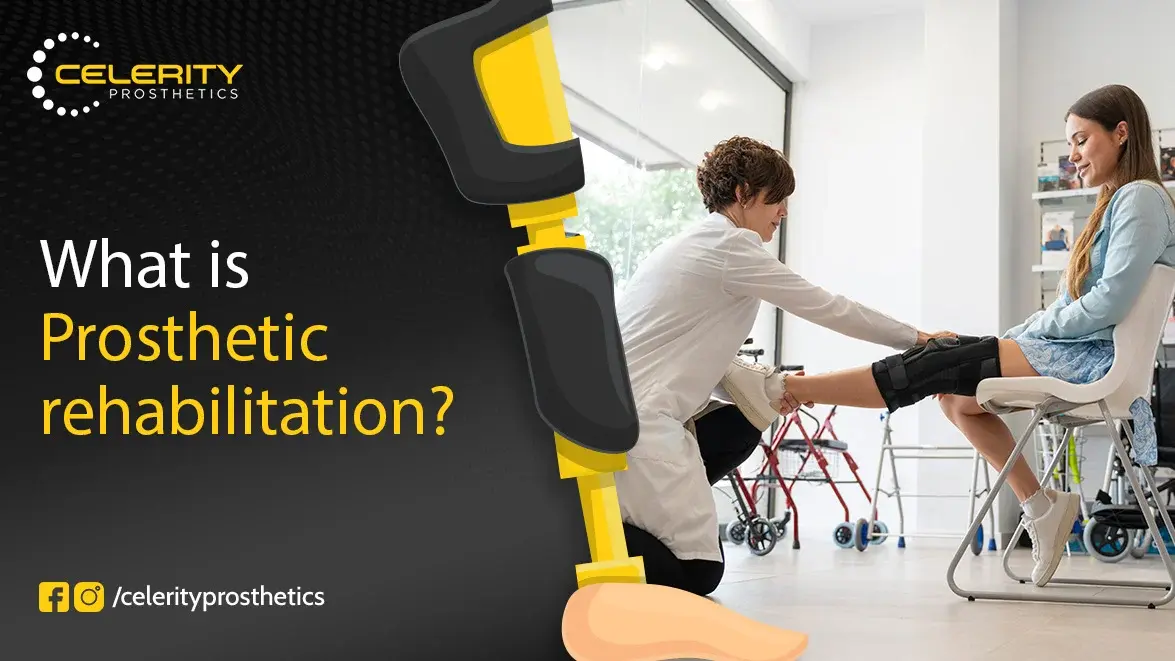
Losing a limb shakes you in ways that people who haven’t lived it can’t fully grasp. Prosthetic rehabilitation is the real‑life, step‑by‑step retraining process that helps someone move, work, and live with a prosthetic limb. Before you even slip on that first artificial leg or arm, there’s preparation. After the fit, there’s training, balance work, confidence building, and lots of adjusting. It’s not a quick fix; it’s a journey back to walking into a kitchen, climbing a few stairs, or reaching out to hug someone with solid confidence again. That’s exactly what prosthetic rehabilitation is all about.
Understanding Prosthetic Rehabilitation
Prosthetic rehabilitation isn’t just about the device itself. Sure, the prosthetic limb is a cool, engineered device, but the rehabilitation is all the hours of human‑to‑human care that make that device yours.
You start with your body healing and your muscles waking up. Your mind is adjusting too, which is also a big deal that isn’t talked about enough. Then you meet your care team. They are people who know exactly how hard this is, but also know how to help you get there one step at a time.
Rehabilitation isn’t cold and clinical. It’s very human. There’s laughter when you finally find your balance, frustration when something feels harder than a good day deserves, and honest conversations between you and your therapist about goals, fears, and small victories.
Goals of Prosthetic Rehabilitation
Here’s what you’ll actually be doing in rehab, and why every session matters.
Restore Mobility and Functional Abilities
You’ll work through balance, weight‑bearing, and coordination so that walking doesn’t feel like a strange new trick. A therapist might stand beside you, palm on your back, as you take that first unsteady step.
Improve Independence in Daily Activities
Putting on clothes, carrying a cup of tea, stepping into the shower, getting into a car these everyday actions are part of what you’re retraining for. Therapists help make these feel doable and less like hurdles.
Prevent Secondary Health Issues
Here’s something most people don’t realize: if you walk unevenly or favor one side, your hips, back, and joints pay for it. Rehab teaches you how to use your body without adding strain elsewhere.
Support Psychological Well‑Being and Confidence
You’ll meet therapists who help you talk through frustration, uncertainty, or even anger, and that matters just as much as learning to walk. Building confidence is part of the plan.
The Prosthetic Rehabilitation Team
You’re not doing this alone; you have a whole crew in your corner.
- Physiatrist (Rehabilitation Physician)
This doctor specializes in physical medicine and rehabilitation. They lead the medical side of the process, coordinate care, and help manage pain or physical issues that arise.
- Prosthetist
They’re the ones who will sit with you, listen to what you need your life to look like, and then literally build your custom limb. A good prosthetist is a gem; they’ll tweak and adjust until it feels like a part of you.
- Physical Therapist
A PT will spend sweaty, gritty sessions with you, helping you strengthen, balance, and find your gait again. They’re the one helping you achieve that exhausted-but-proud feeling you get after a breakthrough session.
-
Occupational Therapist
OTs focus on making those everyday tasks, that you once took for granted, possible. You’ll work together to get you back to life – brushing teeth, typing, doing dishes, carrying groceries, and more.
-
Other Specialists
There can also be psychologists who listen deeply, social workers who help with logistics, and nurses who teach skin care and wound safety. It’s a group support tailored to you.
Phases of Prosthetic Rehabilitation
There’s nothing random about your rehab process. There are clear stages, and each plays its own role.
Pre‑prosthetic Phase
This is the “prep work.” Your body needs to heal first. Therapists focus on:
- Healing the residual limb and managing discomfort.
- Gentle conditioning so muscles are ready for future work.
- Desensitization so touch and pressure feel less sensitive.
Prosthetic Fitting Phase
Now things start to feel more tangible. This phase includes:
- Taking exact measurements for your custom prosthesis.
- Crafting a device that is comfortable and functions properly.
- Adjusting fit again and again until it feels right.
Post‑fitting Rehabilitation
Once the device is on, that’s when the real learning begins. You’ll practice:
- Putting it on and taking it off (yes, that’s a skill).
- Standing steady without grabbing onto walls.
- Walking on smooth floors, then uneven sidewalks.
- Climbing stairs and stepping over thresholds.
Key Components of Rehabilitation
These are the real gears that make rehab work:
Physical Therapy and Exercise
You’ll do strengthening and flexibility workouts, such as lunges, weighted step‑ups, and balance drills. Plus cardio exercises that remind your heart and lungs, “We’re back in business.”
Functional Skills Training
Therapists focus on daily living skills, like self‑care routines and mobility challenges. This training bridges clinical practice with real life, making sure you can function independently in your environment.
Pain and Discomfort Management
Therapists check in about pain, tenderness, or rubbing, and then adjust shoes, socks, or routine as needed. The goal? Keep you moving without dread.
Psychological and Emotional Support
You’ll talk through the “why didn’t anyone tell me this would feel weird?” moments. Counseling here isn’t an add‑on; it’s part of feeling solid in your skin again.
Conclusion
Prosthetic rehabilitation is less like flipping a switch and more like walking back into your life one intentional, supported step at a time. It blends physical effort with emotional care and real human connection. That journey, from healing and fitting to balance‑work and confidence, is what helps a prosthesis feel not just useful but part of you. In the end, prosthetic rehabilitation returns both movement and a sense of self that matches how you feel inside. You can contact Celerity Prosthetics to learn more about prosthetic rehabilitation.
Frequently Asked Questions
What is the first goal of prosthetic rehabilitation?
The first goal of prosthetic rehabilitation is to help the person regain mobility and independence in daily activities with their prosthetic limb.
Can you live a normal life with a prosthetic leg?
Yes, many people with a prosthetic leg can live a normal, active life, walk, work, and enjoy daily activities with independence.
What does a prosthetist do during prosthetic rehabilitation?
A prosthetist designs, fits, and adjusts artificial limbs, helping patients regain mobility and daily function.